




Decoding the IMD's Colour-Coded Alerts
The first step before any monsoon trip is to check the official forecast. The India Meteorological Department (IMD) is the primary agency for weather warnings in the country. It uses a simple colour-coded system to help citizens quickly understand the severity
of expected weather. A 'Green' alert means no advisory is needed, and you can proceed with your plans. A 'Yellow' alert is a sign to 'Be Aware' or 'Watch'. It indicates the potential for weather that could disrupt daily activities, so it’s wise to stay updated. An 'Orange' alert means 'Be Prepared'. This signifies a forecast of extremely bad weather that could interrupt travel plans, damage property, and even pose a threat to life. Finally, a 'Red' alert is a call to 'Take Action'. It warns of extremely severe weather conditions that pose a serious risk to life and property, often leading to major disruptions in transport and power. During a red alert, avoiding travel is the safest choice.
Beyond Rain: Key Hazards to Monitor
Monsoon travel risks extend far beyond just getting wet. In hilly and mountainous regions like Himachal Pradesh and Uttarakhand, heavy rainfall significantly increases the danger of landslides and flash floods. Steep slopes and road cutting for development can destabilise terrain, making popular tourist routes vulnerable. It’s crucial to check local advisories for warnings about landslides, mudslides, and blocked roads, especially along pilgrimage corridors like the Char Dham Yatra. In cities and low-lying areas, the primary concern is waterlogging and flooding, which can bring traffic to a standstill and damage vehicles. Before driving through any water, it's important to gauge its depth; as a rule, if the water is above the centre of your car's wheels, it's best to find an alternative route. Also be aware of the risk of lightning strikes and strong winds, which often accompany heavy downpours.
Your Pre-Travel Safety Checklist
A little preparation goes a long way. Before you leave, check the multi-day forecast for your destination and plan a flexible itinerary with buffer days for potential delays. Choosing a destination less prone to severe weather can also be a smart move. Pack appropriately with quick-drying clothes, a reliable raincoat or poncho, and waterproof footwear with good grip. Protecting your essentials is vital, so use waterproof bags or zip-lock pouches for your electronic devices, documents, and wallets. An emergency kit is a non-negotiable item. It should include a first-aid kit with basic medicines, a powerful torch, a fully charged power bank, and some non-perishable snacks. Inform a friend or family member of your travel itinerary and plan to check in with them regularly.
On-the-Road Monsoon Smarts
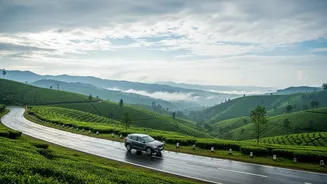
If you're driving, road safety is paramount. Reduce your speed, maintain a greater distance from the vehicle ahead, and use your headlights for better visibility. Roads can be slippery and riddled with hidden potholes under the water. If you find yourself on a waterlogged road, try to keep a steady, slow momentum in a low gear to prevent your car from stalling. Avoid sudden braking or acceleration. If your car does stall in water, do not attempt to restart it, as this can cause severe engine damage. For general health and safety, always drink bottled or purified water to avoid waterborne diseases, which are more common during this season. It's also wise to avoid street food that might be exposed to contaminated water. Using a mosquito repellent is also recommended to protect against illnesses like dengue and malaria.