


The Soul of the Bhog: Bhoger Khichuri
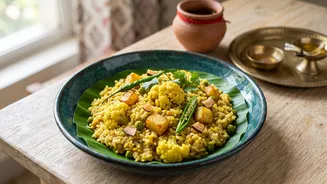
At the heart of any Durga Puja feast lies Bhoger Khichuri, a dish that is much more than a simple mix of rice and lentils. Considered 'sattvik' or pure, it is prepared without any onion or garlic, making it a fitting offering for the goddess. Its unique,
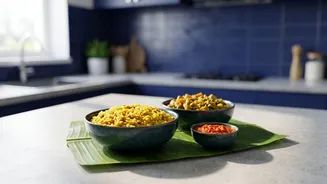
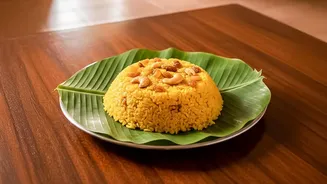
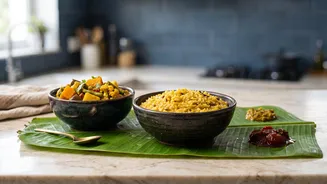
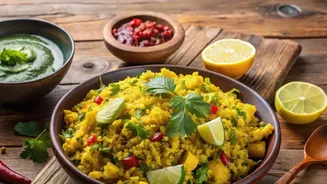
soul-warming aroma comes from two key ingredients: Gobindobhog rice, a short-grained, fragrant rice from Bengal, and sona moong dal that is dry-roasted until it releases a nutty scent before cooking. This khichuri is not just food; it’s an emotion, representing simplicity, nourishment, and equality, as it is served to everyone. To make it, begin by dry roasting one cup of moong dal until golden and aromatic. Wash the roasted dal along with one cup of Gobindobhog rice. In a large, heavy-bottomed pot, heat mustard oil and temper with bay leaves, dried red chilies, cumin seeds, cloves, and cinnamon sticks. Add cubed potatoes and cauliflower florets, frying them until lightly golden before setting them aside. In the same oil, add grated ginger and chopped tomatoes, sautéing until soft. Add turmeric and cumin powder, then stir in the rice and dal mixture. Pour in about six to seven cups of hot water, add salt, and bring to a boil. Let it cook, stirring occasionally. When the rice and dal are partially cooked, add the fried vegetables and green peas. The final consistency should be soft and porridge-like, not too thick or runny. Finish with a generous spoonful of ghee and a pinch of garam masala before serving.
The Medley of Joy: Vibrant Labra
Labra is the perfect companion to khichuri, a colourful and textured mixed vegetable dish that embodies the spirit of unity and harmony. It features a medley of seasonal vegetables, where each ingredient contributes its unique flavour and texture, yet they all come together in a singular, delicious preparation. The dish is a celebration of nature's bounty and is symbolic of the community coming together for the festival. A key flavour component is 'panch phoron', a Bengali five-spice blend of mustard, fennel, cumin, nigella, and fenugreek seeds, which gives the dish its characteristic taste. Creating labra involves a bit of chopping but is straightforward. Use a variety of vegetables like pumpkin, potatoes, brinjal, radish, and cauliflower, cutting them into bite-sized pieces. Heat mustard oil in a pan and add the panch phoron and a dry red chili. Once the spices start to crackle, add the vegetables in stages, starting with the ones that take longer to cook, like potatoes and radish, followed by cauliflower and pumpkin, and finally the brinjal. Sauté them with turmeric powder, grated ginger, and salt. Cover and cook on a low flame, allowing the vegetables to cook in their own juices. A little sugar is often added to balance the flavours, especially with the sweetness of the pumpkin. The goal is a soft, semi-dry consistency where the vegetables are tender but not completely mashed. Let it rest for a few minutes before serving to allow the flavours to meld.
A Sweet and Tangy Finale: Tomato Khejurer Chutney
No Bengali festive meal is complete without a chutney, and the Tomato Khejurer Chutney (tomato and date chutney) provides the perfect sweet and tangy counterpoint to the savoury khichuri and labra. Served at the end of the main course, just before dessert, this vibrant red chutney cleanses the palate and adds another layer of flavour to the bhog experience. The sweetness comes from sugar and dates, while the tomatoes provide a pleasant tanginess. To prepare this delightful condiment, start by chopping ripe red tomatoes and pitting and slicing some soft dates. Heat a little mustard oil in a pan and temper with a pinch of black mustard seeds and a dry red chili. Add the chopped tomatoes, salt, and sugar, and cook until the tomatoes soften and become pulpy. You don't need to add water, as the tomatoes and sugar will release enough liquid. Next, add the sliced dates and some raisins, and let the mixture simmer until it thickens into a glossy, jam-like consistency. Some recipes also include additions like mango leather (aamshotto) for extra complexity. Once thickened, remove from the heat and let it cool. It can be served warm or at room temperature.
Assembling Your At-Home Bhog Thali
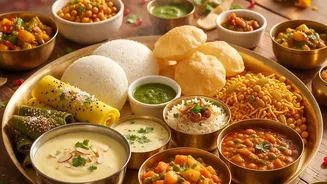
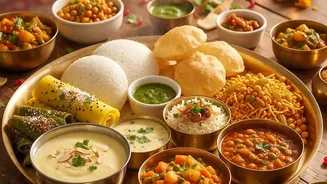
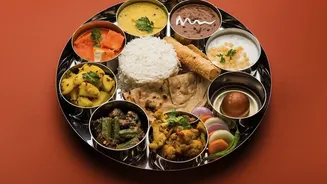
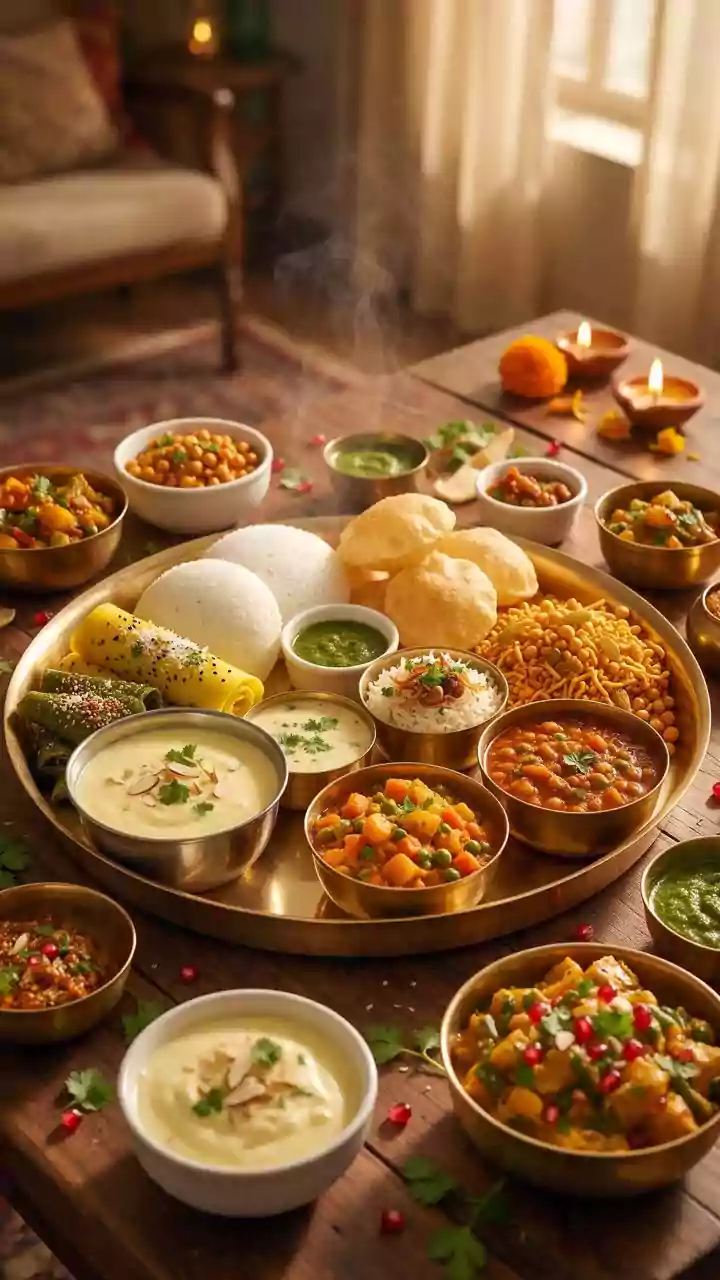
Bringing the bhog experience home is about more than just the food; it's about the act of creation and sharing. Once your khichuri, labra, and chutney are ready, you can assemble a thali that captures the essence of the community feast. Ladle a generous amount of hot khichuri onto a plate, with a portion of labra on the side. Add a small spoonful of the bright tomato-date chutney. To make the meal even more special, you can include other traditional accompaniments. Beguni (batter-fried eggplant slices) or other vegetable fritters add a delightful crunch. For a complete sweet finish, a small bowl of payesh (rice pudding) or mishti doi (sweet yogurt) is often served after the chutney. The beauty of the bhog lies in its spirit of devotion and togetherness, a feeling you can recreate in your dining room, connecting with a cherished tradition.