



An Enduring Earthen Heritage
The story of terracotta, which literally translates to “baked earth” in Italian, is as old as civilization itself. For millennia, cultures from Mesopotamia and ancient Egypt to the Indus Valley have moulded clay and fired it to create everything from essential
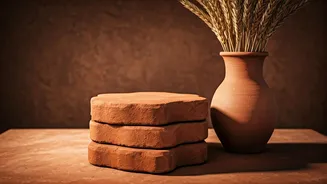
bricks and roof tiles to intricate sculptures. The Romans standardized its use for durable flooring and even advanced heating systems, while Renaissance artisans elevated it to an art form. This rich history is embedded in the material itself. When you bring terracotta into your home, you're not just choosing a colour or a texture; you are connecting to a lineage of human craftsmanship that spans thousands of years. This intrinsic link to the earth and to history is what gives it a unique, grounding quality that few other materials can replicate.
The Perfect Antidote to Cold Minimalism
Modern design often prioritizes clean lines, smooth surfaces, and neutral palettes, which can sometimes leave a space feeling cold or impersonal. Terracotta offers a powerful counterpoint. Its naturally warm, earthy tones and subtle textural variations introduce a sense of organic comfort. Psychologically, these rustic shades connect us to the natural world, which can help reduce stress and create a more inviting atmosphere. Unlike a flat coat of paint, no two terracotta tiles are exactly alike, lending a handcrafted authenticity that stands in beautiful contrast to mass-produced finishes. It’s a material that balances hard lines and makes minimalist rooms feel more human-friendly and approachable.
Beyond the Classic Flowerpot
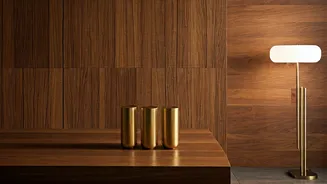
While a cluster of terracotta planters is a wonderful way to introduce the trend, its applications in modern interiors are far more expansive. Terracotta tiles are a timeless choice for floors, especially in kitchens and living areas, where they provide a durable and warm underfoot experience. On walls, a terracotta finish can serve as a stunning feature, anchoring a room with its rich pigment. This can be achieved with paint, textured plaster, or tiles. In the kitchen, a terracotta backsplash adds a touch of rustic charm, while in a bathroom, sealed terracotta tiles can create a spa-like, earthy retreat. Don't overlook smaller accents, either; light fixtures, vases, and even textiles in terracotta hues can add a pop of warmth.
A Surprisingly Versatile Colour Palette
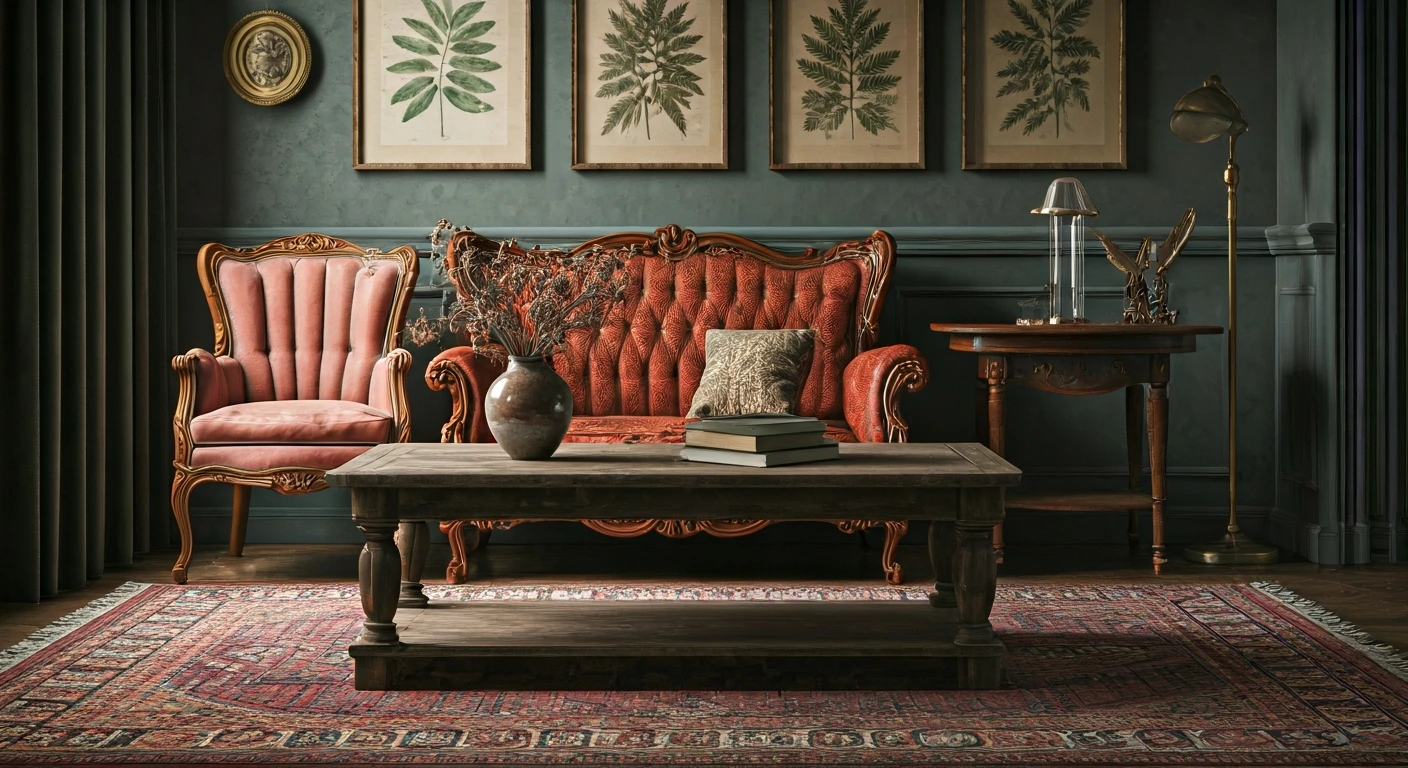
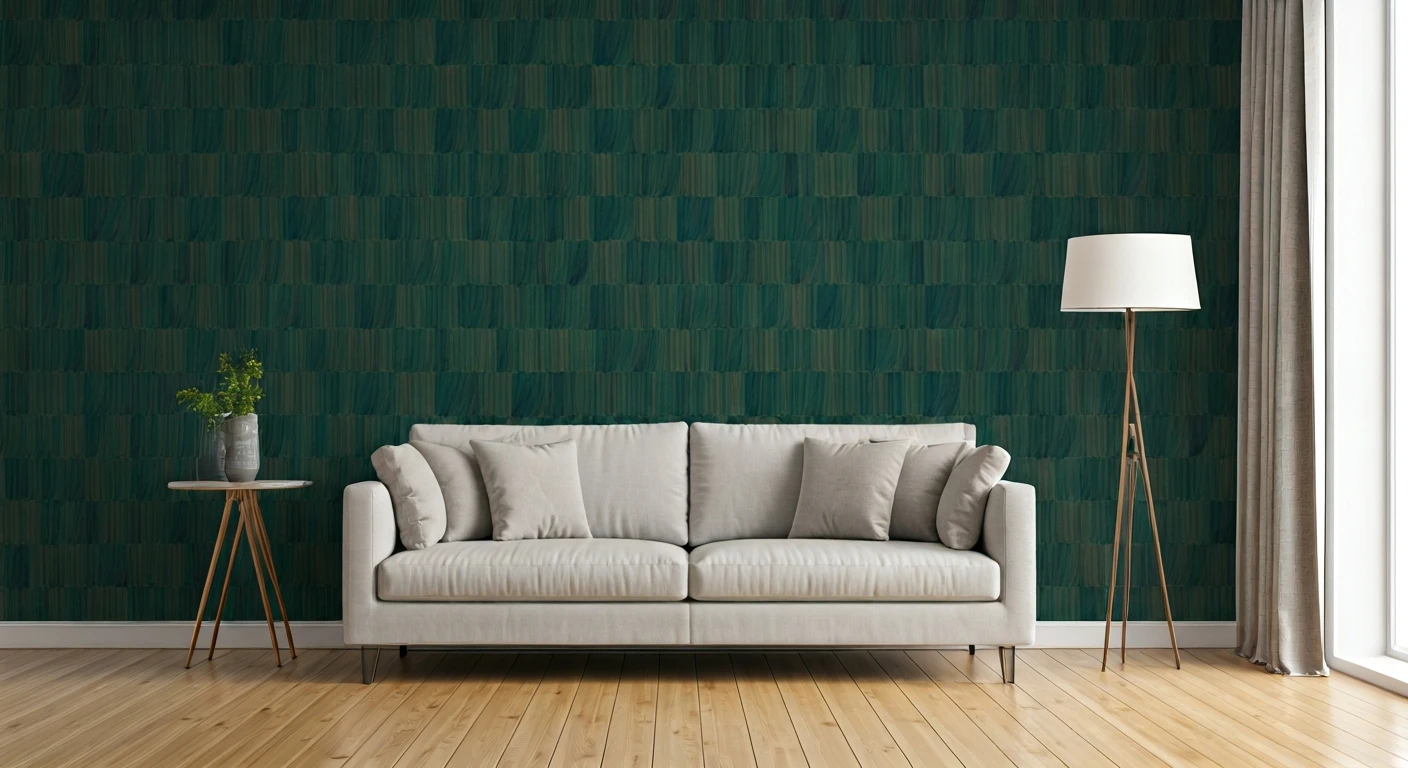
Despite its distinct personality, terracotta is remarkably versatile when it comes to colour pairings. For a calm and serene backdrop, it pairs beautifully with warm neutrals like cream, beige, and soft grey. This combination allows the richness of the terracotta to stand out without overwhelming the space. To create a nature-inspired look, combine terracotta with earthy greens like sage, olive, or forest green. This pairing feels organic and tranquil, reminiscent of clay soil and lush foliage. For a more dramatic and sophisticated contrast, deep blues like navy or teal work wonderfully, as blue is opposite terracotta’s orange undertones on the colour wheel. Even soft pastels like blush pink can create a fresh and gentle aesthetic.
How to Start Small
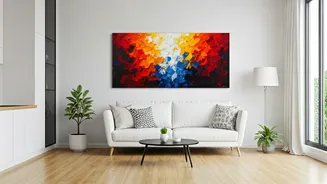
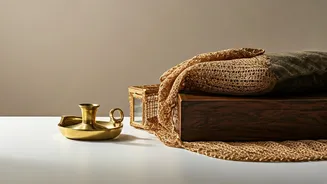
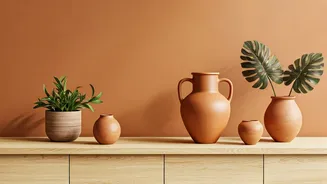
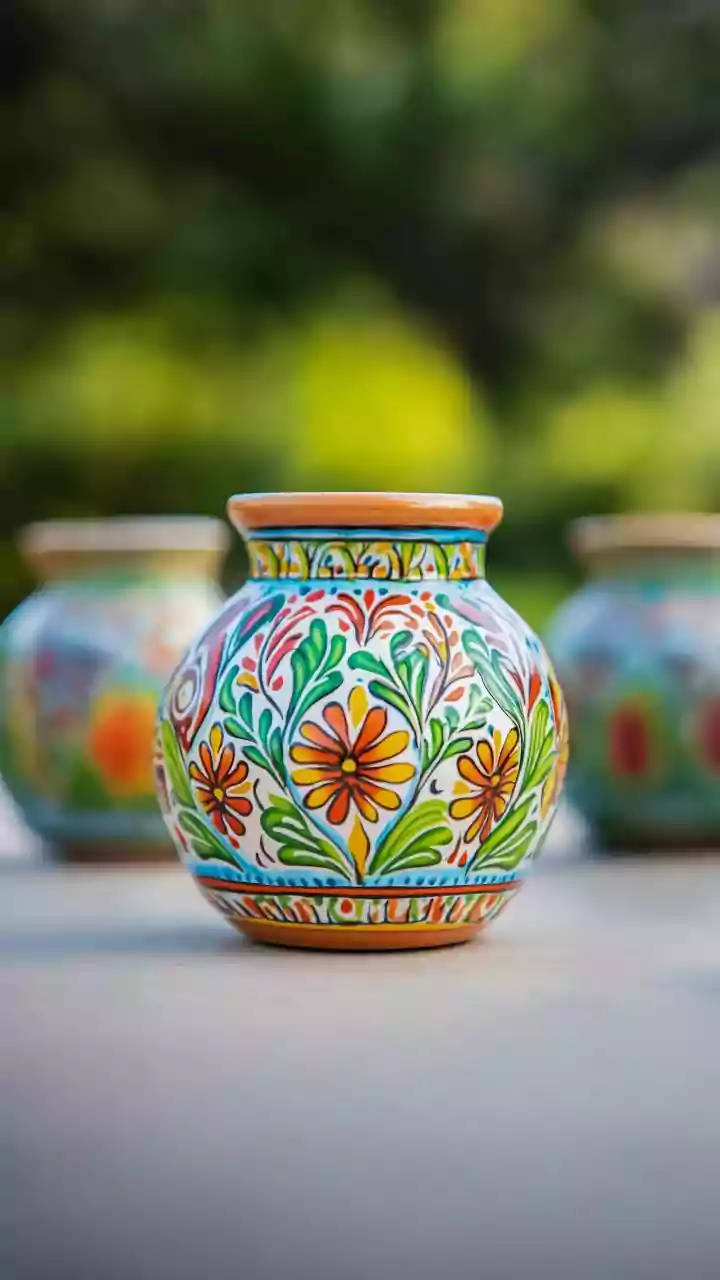
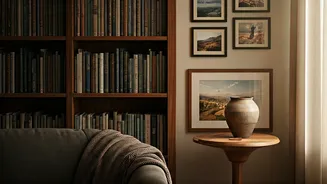
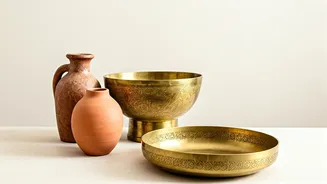
If you're not ready to commit to a full floor or accent wall, you can still easily incorporate this trend. Start by introducing terracotta through decor and textiles. A few terracotta-coloured cushions or a throw blanket can instantly warm up a neutral sofa. A collection of earthenware vases and pots, filled with green plants, creates a classic and vibrant vignette. Consider a statement rug with terracotta tones to anchor a living room or bedroom. Even a single piece of art or a painted piece of furniture can introduce the colour in a controlled, impactful way. These small touches are an excellent way to experiment with the shade and bring its grounding energy into your home without a major renovation.