


1. Moong Dal Cheela
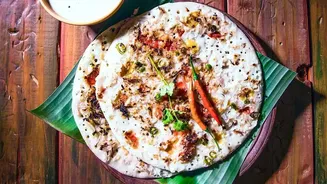
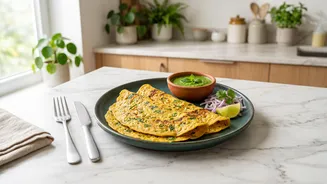
This savoury pancake, made from ground moong dal (split mung beans), is a protein powerhouse. Nutritionists favour it for its ability to keep you feeling full and satisfied for hours. A single cheela is low in calories but high in protein and dietary
fibre. This combination is crucial for preventing the sharp blood sugar spikes that lead to an energy crash. The protein aids in muscle repair and function, while the fibre supports healthy digestion and promotes a feeling of fullness, which can help with weight management. Moong dal is also a good source of essential minerals like iron, potassium, and magnesium, which are vital for maintaining energy levels and overall bodily function.
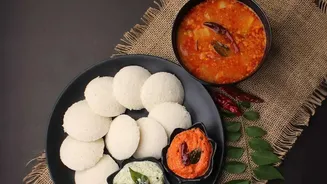
2. Idli Sambar
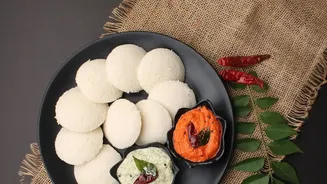
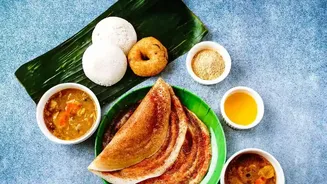
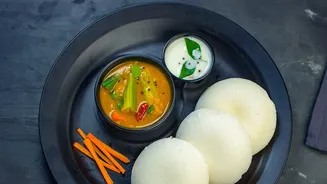
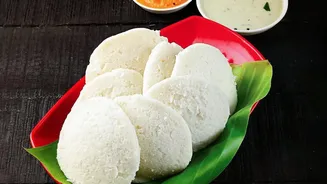
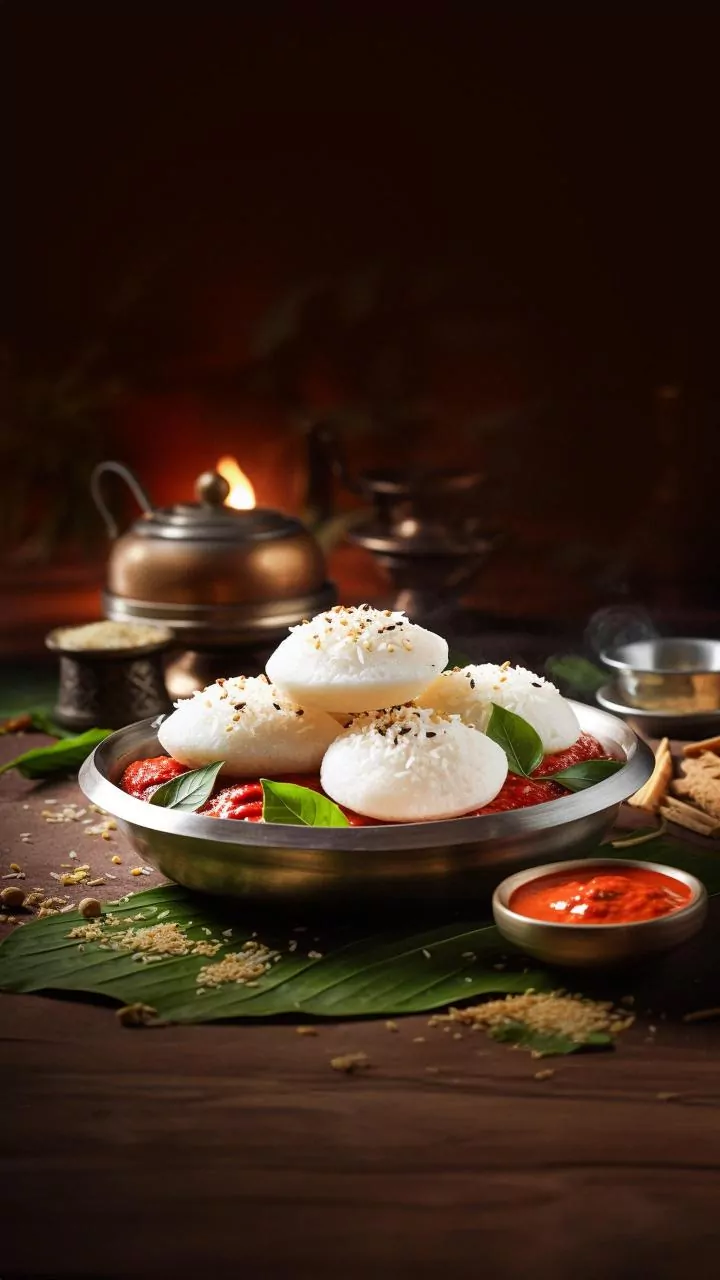
A classic across South India, idli with sambar is celebrated by health experts as a perfectly balanced meal. Idlis are soft, steamed cakes made from a fermented batter of rice and urad dal. The fermentation process not only makes them light and easy to digest but also increases the bioavailability of nutrients like B vitamins. The combination of rice and dal provides a complete protein profile. When paired with sambar—a flavourful stew of lentils and vegetables—the meal becomes a rich source of plant-based protein, complex carbohydrates, and fibre. This trio works together to provide a slow, sustained release of energy, keeping you powered through the morning without feeling weighed down. Because it's steamed, it's naturally low in fat, making it a heart-healthy choice.
3. Vegetable Poha
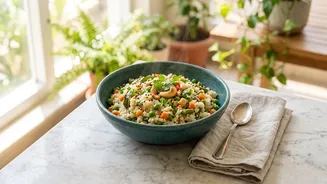
Poha, or flattened rice, is a quick, light, and incredibly wholesome breakfast. Its primary benefit lies in its high content of healthy carbohydrates, which provide a steady source of energy. Unlike refined carbs, poha doesn't cause a sudden surge in blood sugar. In fact, its fibre content helps regulate blood sugar release, making it a great option for sustained focus. The traditional preparation involves passing the rice through iron rollers, which means it retains a good amount of iron, helping to combat fatigue. When you load it up with vegetables like peas, onions, and carrots, and garnish with peanuts, you add essential vitamins, minerals, and a dose of protein, making it a more nutritionally complete meal.
4. Rava Upma
Often considered a comfort food, upma made from rava (semolina or purified wheat) is an excellent source of energy. Semolina provides complex carbohydrates that digest slowly, ensuring you stay fuelled for hours. Upma is also a good source of iron and magnesium. The key to maximising its health benefits lies in the preparation. By cooking it with minimal oil and packing it with vegetables, you create a dish rich in fibre and essential nutrients. The fibre aids digestion and promotes satiety, helping to prevent overeating later in the day. For an even bigger nutritional boost, nutritionists suggest using whole-wheat rava or millet rava to increase the protein and fibre content further.
5. Paneerstuffed Paratha with Curd
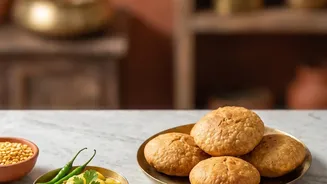
While 'paratha' might bring to mind heavy, oily preparations, a mindfully made version can be a fantastic energy boosting breakfast. Opting for a whole wheat paratha stuffed with crumbled paneer (Indian cottage cheese) offers a brilliant mix of complex carbohydrates from the flour and high quality protein from the paneer. Protein is essential for appetite control and muscle maintenance. Pairing it with a bowl of plain curd adds another layer of protein and provides probiotics, which are beneficial for gut health. To keep it healthy, it is best to cook the paratha with minimal ghee or oil and focus on the nutritious filling. This combination delivers a satisfying meal that provides lasting energy and prevents the dreaded mid morning hunger pangs.