



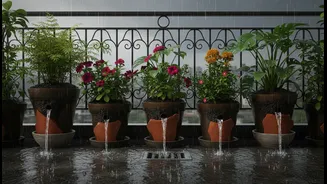


The Science of Soggy Soil
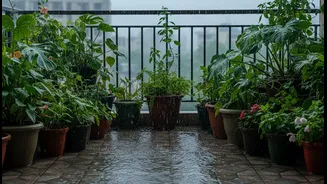
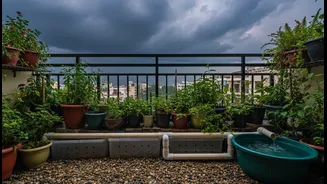
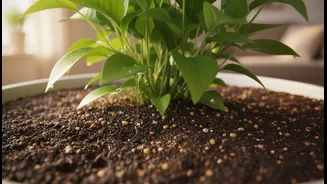
Healthy roots need oxygen to breathe, which they get from air pockets in the soil. During the rainy season, continuous downpours can fill these pockets with water, effectively drowning the roots. This oxygen-deprived, waterlogged environment is the primary
cause of root rot. It creates ideal conditions for harmful fungi and bacteria, which are often dormant in the soil, to multiply and attack the vulnerable, suffocating roots. Once decay sets in, the plant's ability to absorb water and essential nutrients is compromised, leading to a cascade of health issues.
Prevention Starts Before the First Rain
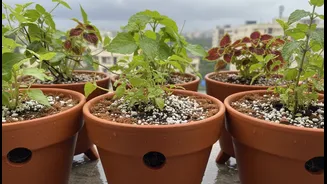
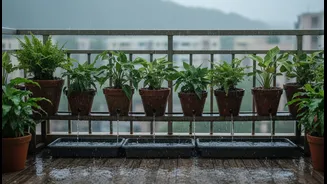
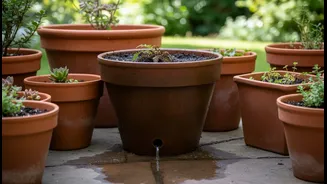
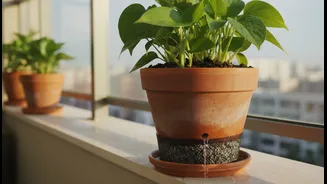
The best defence against waterlogging is preparation. Start with your potting mix. Never use heavy garden soil in containers, as it compacts easily and retains too much water. Instead, opt for a lightweight, well-draining potting mix. You can create your own by combining potting soil with materials like coco peat, perlite, or coarse sand to improve aeration and drainage. Next, ensure every pot has adequate drainage holes. It's a non-negotiable feature. During the monsoon, it's also wise to elevate your pots using bricks, pot feet, or a stand. This simple step prevents drainage holes from getting blocked and allows air to circulate underneath, helping the soil dry out faster.
Spotting the Signs of a Drowning Plant
A waterlogged plant will send out several distress signals. One of the most common and confusing signs is wilting, even when the soil is visibly wet. This happens because the rotting roots can no longer absorb water effectively. Another key indicator is yellowing leaves, which often start at the bottom of the plant and work their way up. You might also notice stunted growth, significant leaf drop, or a sour, unpleasant smell coming from the soil, which indicates that anaerobic bacteria are at work. In advanced cases, you may see blisters on the leaves, a condition known as oedema, or blackening at the base of the stem.
Rethink Your Watering Routine
During the monsoon, you must abandon any fixed watering schedule. The ambient humidity is high and rainfall can be frequent, meaning your plants need far less manual watering. The most reliable method is the finger test: insert your finger about an inch into the soil. If it feels damp, wait another day or two before checking again. Only water when the top layer of soil is genuinely dry to the touch. When you do water, do so thoroughly until it runs from the drainage holes, but then allow it to dry out sufficiently before the next watering.
Emergency Rescue for a Waterlogged Plant
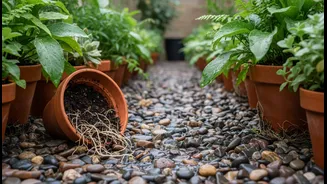
If you suspect a plant is already suffering from root rot, quick action can save it. First, gently remove the plant from its pot to inspect the roots. Healthy roots are typically firm and white or light-coloured. Rotting roots will be brown or black, soft, mushy, and may fall apart when touched. Using a clean, sterile pair of scissors or pruning shears, carefully trim away all the affected, rotted parts. Be thorough, as leaving any decayed root behind can allow the infection to spread. Once the rotten sections are removed, repot the plant in a clean container with fresh, dry, well-draining potting mix. Do not water it immediately; give the trimmed roots a few days to heal and settle before resuming a very cautious watering routine.