

From Handshakes to Hardware
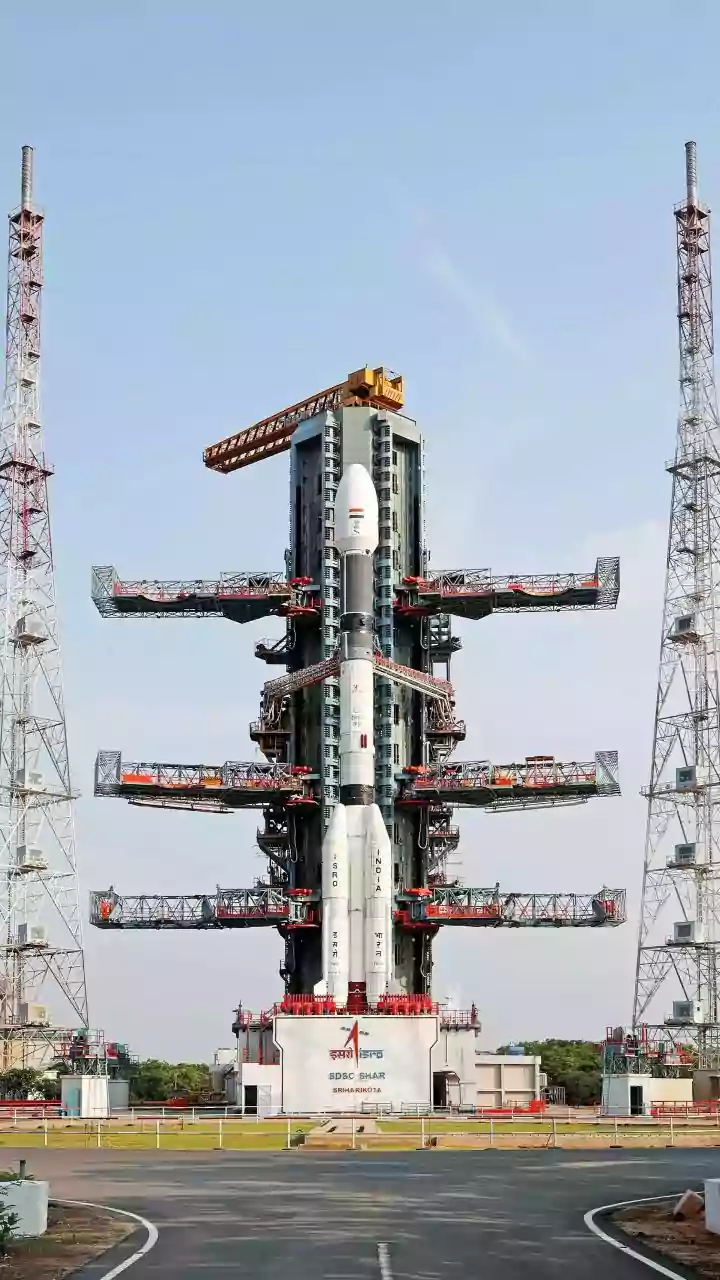
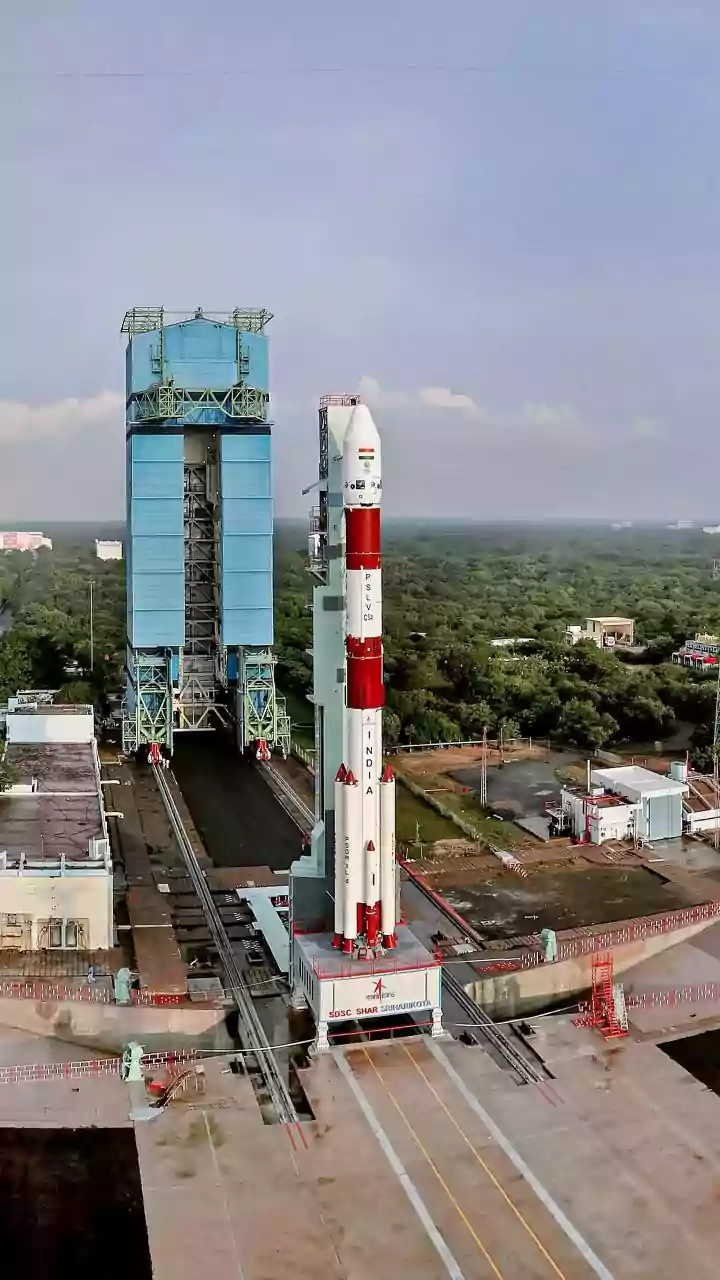
The foundation of this exciting future is a deepening strategic partnership between the Indian Space Research Organisation (ISRO) and the U.S. National Aeronautics and Space Administration (NASA). This isn't a new relationship; the two agencies have a long
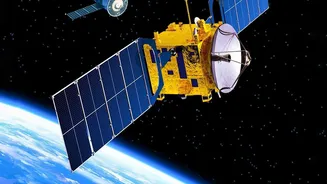
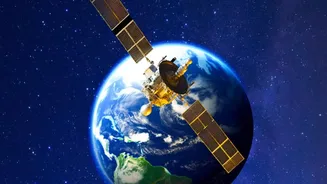
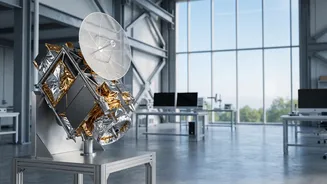
history of successful collaborations. A shining recent example is the NISAR (NASA-ISRO Synthetic Aperture Radar) satellite, launched in July 2025. This $1.5 billion Earth-observation mission is the first to use dual-frequency radar to map our planet, providing unprecedented data on everything from climate change to disaster management. The success of complex joint ventures like NISAR has built a strong foundation of trust and technical synergy. This has paved the way for an even more ambitious undertaking: collaborating on humanity's return to the Moon.
The Artemis Effect
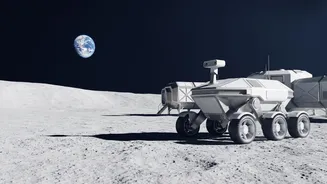
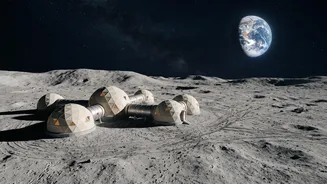
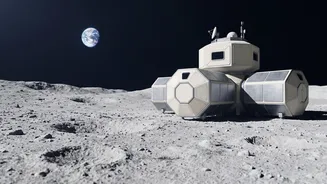
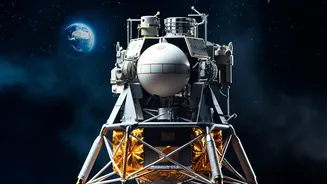
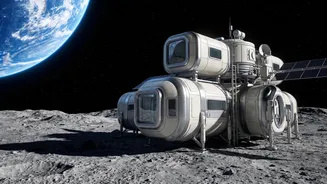
In June 2023, India became a signatory to the Artemis Accords, a U.S.-led framework for peaceful and cooperative lunar exploration. This was a landmark decision, moving India into a global coalition shaping the future of space governance. More recently, in August 2026, NASA formally invited ISRO to participate in its Moon Base program, an ambitious plan to establish a permanent human presence near the lunar south pole. For India, which has its own goals of a crewed lunar mission by 2040 and a 'Bharatiya Antariksha Station' by 2035, this partnership is a game-changer. It provides access to advanced technology, shared scientific data, and invaluable experience in long-duration human spaceflight, potentially fast-tracking India's own deep-space ambitions.
The New Space Economy
This high-level collaboration will have a significant ripple effect on the ground, supercharging India's burgeoning private space industry. The Indian government's decision to open the sector in recent years has already led to the creation of over 400 space startups. With the Artemis partnership, these companies are no longer just catering to domestic needs; they are now potential suppliers for a global lunar supply chain. The development of a Moon base requires everything from robotics and advanced materials to communication systems and life support. Indian firms that can innovate in these areas will find themselves in a prime position to secure contracts and attract investment. The Indian space economy, projected to reach $44 billion by 2033, will see this growth accelerated by participation in such a high-profile international project.
Skills for a New Frontier
For students and young professionals, this partnership signals a clear direction for career development. The jobs of the new space age extend far beyond traditional aerospace engineering and rocket science. The massive amounts of data generated by missions like NISAR and future lunar projects are creating a surge in demand for Satellite Data Analysts and Geospatial Experts who can turn raw imagery into actionable insights for agriculture, finance, and urban planning. Skills in AI/ML, Python, and geographic information systems (GIS) are becoming essential. Other rapidly growing roles include Space Robotics Engineers to build the rovers and robotic arms for lunar construction, Aerospace Software Engineers to write the code that runs missions, and even specialists in Space Law to navigate the complex international regulations of off-world activities. The demand is for a diverse talent pool that can support an entire ecosystem, from launch to data analysis.