





First, What Are CAFE Norms?
Think of CAFE norms as a report card for car manufacturers, but for fuel efficiency. Instead of requiring every single car model to meet a specific mileage, these regulations measure the average fuel economy across a carmaker's entire fleet of vehicles
sold in a year. First introduced in 2017, the goal is to push manufacturers to produce more fuel-efficient cars, thereby reducing overall fuel consumption and CO2 emissions for the country. A company can balance the sales of less efficient, larger SUVs with highly efficient small cars, hybrids, or electric vehicles to meet its overall target. The current CAFE-II norms, which started in 2022, set a fleet average target of below 113 grams of CO2 per kilometre.
The Big Jump to CAFE-III
The upcoming CAFE-III norms, which will be effective from April 1, 2027, to March 31, 2032, represent a significant step up in stringency. The targets will become progressively tougher each year. For a manufacturer with an average fleet weight of 1,229 kg, the target will shrink from about 94.8 g/km of CO2 in the 2027-28 financial year to a strict 78.9 g/km by 2031-32. This represents a roughly 16.7% improvement in fuel consumption over five years, a substantial challenge for the industry. The rules have been designed to give carmakers a clear, long-term roadmap to plan their investments in new technologies.
A Massive Boost for EVs
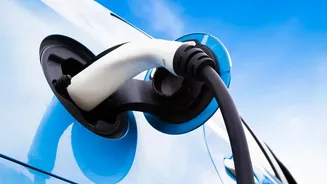
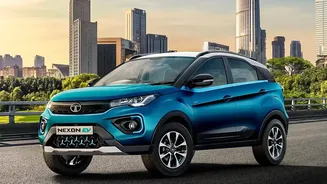
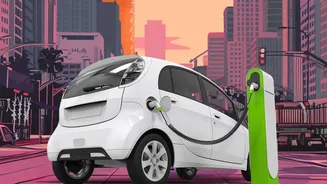
CAFE-III is designed to aggressively promote electric vehicles. The rules include a system of 'super credits', where selling one EV gives a manufacturer a disproportionate benefit when calculating its fleet average. Under the final notified norms, each battery electric vehicle (BEV) sold will be counted as three vehicles for compliance purposes. This gives carmakers a powerful incentive to sell more EVs, as each one sold provides a significant counterweight to their less-efficient petrol and diesel models. Range-extended electric vehicles (REEVs), which use a small engine to generate electricity, will also receive the same 3x multiplier, potentially making them a more common sight on Indian roads.
The Golden Age of Hybrids
While EVs get the biggest push, hybrids are positioned to become the crucial bridge technology for many manufacturers. The CAFE-III rules also grant super credits to hybrid vehicles, making them highly attractive for lowering a company's fleet average. Strong hybrids will receive a 1.6x multiplier, while plug-in hybrids (PHEVs) running on flex-fuel get an even higher 2.5x credit. This system encourages carmakers to offer more hybrid options across their model lineups. For companies not yet ready to commit to a fully electric portfolio, launching more strong hybrid models will be an essential strategy to meet the tightening emission targets without facing penalties.
What Happens to Petrol Cars?
Traditional petrol and CNG cars are not being regulated out of existence, but they will have to evolve. To meet the stricter fleet-wide targets, manufacturers will need to make their internal combustion engines significantly more efficient. The CAFE-III rules provide credits for specific fuel-saving technologies, such as start-stop systems, 6-speed or higher transmissions, and regenerative braking. We can expect to see these features become more standard. Furthermore, the norms give benefits for using alternative fuels like ethanol-blended petrol (E20) and flex-fuels, which will help petrol-based cars remain compliant. However, the era of purely petrol-powered, inefficient large vehicles may be drawing to a close, as they will need to be balanced by a much larger number of clean cars.
What It Means for the Car Buyer
These regulations are aimed at manufacturers, but the ripple effects will be felt by every new car buyer in India. From 2027, you can expect to see a much wider variety of strong hybrid and electric models in showrooms across all price points. Automakers will be heavily incentivised to push these cleaner vehicles. While the rules don't directly dictate car prices, the significant investment required to meet them may be passed on to consumers, potentially affecting the cost of all types of vehicles. The product mix is set to change definitively, with the market shifting away from a reliance on conventional petrol cars and embracing a more diverse range of powertrains.