




The Post-Monsoon Reopening
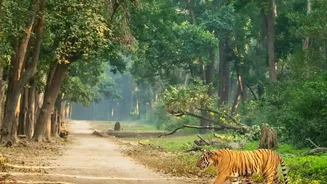
Following the annual closure for the rainy season, the core zones of Satpura National Park are scheduled to reopen to tourists on October 1, 2026. This period marks a magical transformation of the landscape. The entire forest, washed clean by the rains,
bursts into countless shades of green, water bodies are full, and the air is crisp and clean. While some buffer zones of the park like Parsapani and Jamani Dev remain open year-round, the reopening of the core zones like Madhai and Panaarpani is the main event for wildlife enthusiasts, as these areas have a higher density of animals. The autumn season, from October to February, is considered one of the best times to visit, with pleasant weather perfect for safaris.
Key Zones and What to Expect
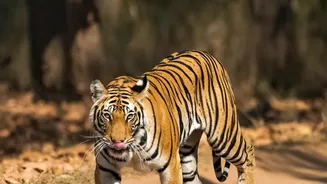
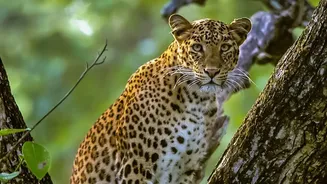
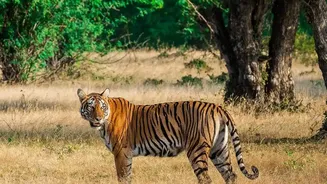
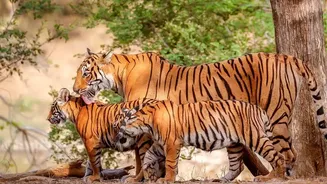
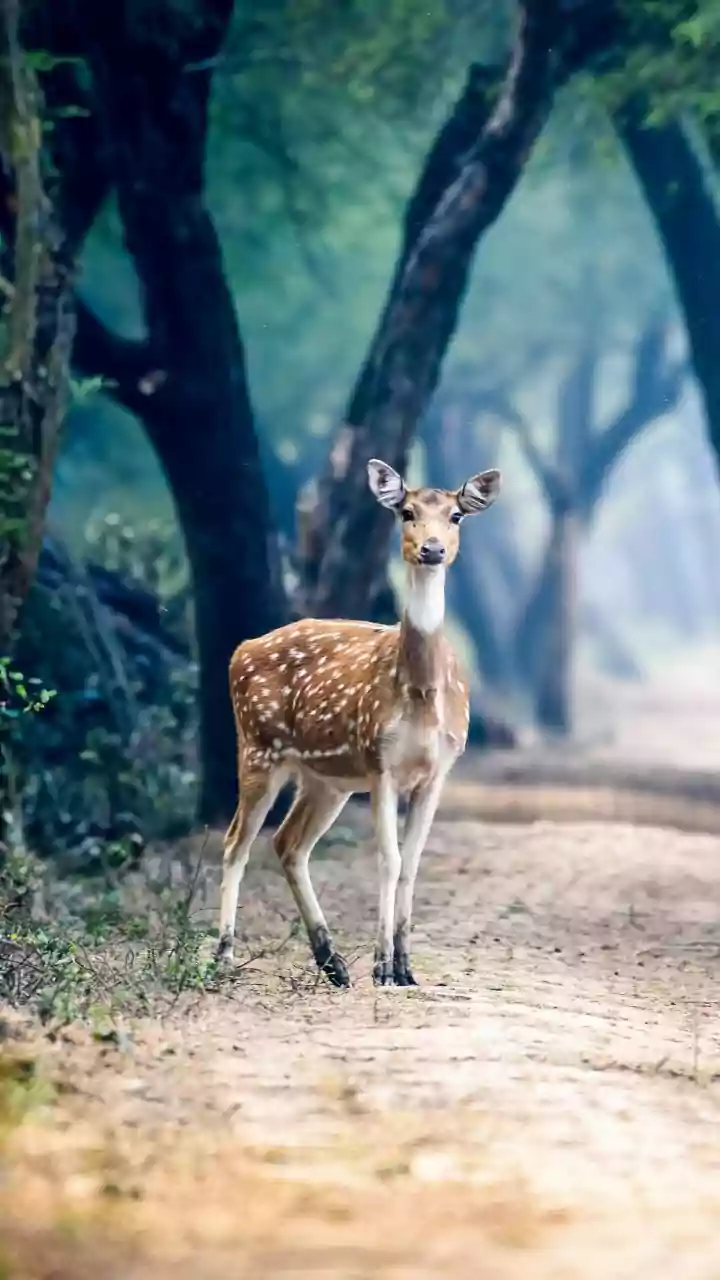
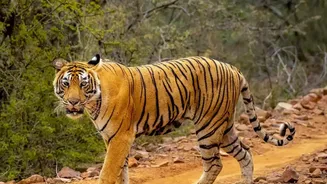
Satpura is divided into core and buffer zones, each offering a unique experience. The Madhai zone is the most popular entry point, known for its diverse terrain of plains, valleys, and backwaters from the Denwa River. The Churna zone, deeper in the core, is known for its rugged landscape, while the Panaarpani zone, accessible from the hill station of Pachmarhi, is another beautiful core area to explore. Upon reopening, these zones offer incredible opportunities for sightings. The lush vegetation means herbivores like Sambar deer, Nilgai, and Indian Gaur are found in abundance. This, in turn, increases the chances of spotting predators like tigers and leopards.
More Than Just a Jeep Safari
What truly sets Satpura apart from many other tiger reserves in India is the variety of safari experiences it offers. It's one of the few places where you can explore the wilderness on foot. Guided walking safaris allow you to connect with the forest on a much more intimate level, noticing smaller details often missed from a vehicle. Another unique activity is the canoe safari on the Denwa River. Paddling silently along the water provides a serene and pollution-free way to observe birdlife, crocodiles, and sometimes even mammals coming to the banks to drink. These alternative activities, alongside the traditional jeep safaris, create a more holistic and immersive wildlife adventure.
Autumn's Star Wildlife Attractions
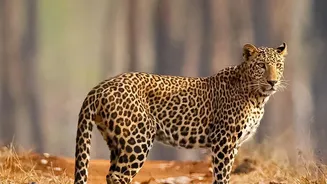
While the Royal Bengal Tiger remains a key attraction, Satpura's biodiversity is rich and varied. The park is a prime habitat for the sloth bear, and sightings are relatively common, especially when Mahua and Jamun trees are fruiting. Leopards are also abundant in the park's rocky terrain. Keep an eye out for the Indian Giant Squirrel, a species more commonly found in the Western Ghats but thriving here. Satpura also saw the successful reintroduction of the Hard-ground Barasingha, or swamp deer, adding to its conservation credentials. For birdwatchers, the post-monsoon season is a delight, with over 300 bird species, including the Malabar Whistling Thrush and the Paradise Flycatcher, the state bird of Madhya Pradesh.
How to Plan Your Autumn Trip
Booking your safari permits well in advance is crucial, as there is a limit on the number of vehicles allowed in each zone to minimise disturbance. Permits can be booked online through the official Madhya Pradesh Forest Department website. You will need to provide identification details for all visitors. The nearest railway station to the popular Madhai gate is Pipariya, about 50 kilometres away. The closest airport is in Bhopal, around 225 kilometres from the park. Numerous lodges and resorts are available near the main entry gates, but it is important to book accommodation that is close to the specific zone for which you have permits to avoid long pre-dawn drives.