




The New Look of the Snack Aisle
The Indian snack market, valued at over ₹50,000 crore in 2025, is undergoing a delicious transformation. For decades, the organised snack space was dominated by a handful of national players and Western-style options like potato chips. Regional specialities
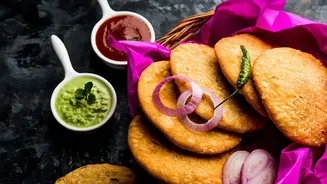
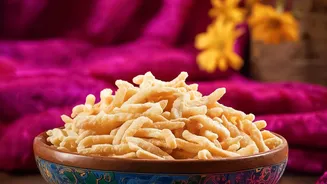
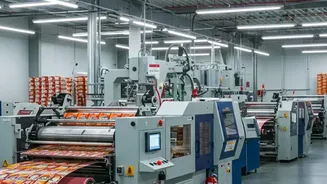
were mostly unbranded, sold loose in local kirana stores or made at home. Today, that landscape has changed dramatically. Supermarket shelves now proudly display professionally packaged versions of snacks that were once hyper-local treasures. From South India's ribbon pakoda and Kerala's banana chips to Gujarat's farsan, regional flavours are no longer confined to their states of origin. This shift represents a move from the unorganised sector to branded, hygienically packaged products that promise consistent quality and taste.
A Craving for Authenticity and Wellness
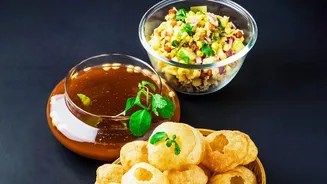
So, what's driving this change? A major factor is the modern Indian consumer. With rising disposable incomes and exposure to global trends, there's a growing desire for authenticity and a connection to one's roots. These regional snacks offer a taste of home and nostalgia, a comforting flavour profile that many grew up with. Simultaneously, a health and wellness trend is reshaping eating habits. Many consumers perceive traditional snacks, especially those made from millets, pulses, or baked instead of fried, as healthier alternatives to mass-produced junk food laden with palm oil and artificial additives. In a 2026 survey, a majority of Indian consumers reported prioritising clean ingredients when choosing snacks, a demand that many new-age brands are built to meet.
The Rise of Regional D2C Champions
The direct-to-consumer (D2C) revolution has been a game-changer. Ambitious entrepreneurs from various regions saw a gap in the market for high-quality, authentic snacks. Brands like Beyond Snack (banana chips), VS Mani & Co (South Indian snacks), and Sweet Karam Koffee have leveraged the internet to reach customers directly, bypassing traditional retail gatekeepers. By focusing on quality ingredients, modern and attractive packaging, and telling a strong brand story online, they built loyal followings. Their success proved a national appetite for regional products, effectively de-risking the category for larger retailers. These D2C brands created a direct line to consumers, gathering valuable feedback and building trust that legacy players often struggled to match.
Big Brands and Supermarkets Follow Suit
The success of these smaller players did not go unnoticed. Large FMCG giants like PepsiCo are now actively tapping into this trend. They are either acquiring successful regional brands or launching their own ethnic snack lines inspired by local favourites, like Kurkure's recent launch of Ribbon Pakoda in South India. This move by established companies validates the market and brings even greater distribution power. Supermarkets, in turn, are happy to dedicate more shelf space to these products. They recognize that offering a diverse range of regional snacks caters to a wider demographic, drives footfall, and positions them as curators of modern Indian taste. As retail networks expand into Tier 2 and Tier 3 cities, the accessibility of these packaged regional snacks is only set to grow.