

The Charm of a Second Life
Before you discard that old saree, faded kurta, or worn-out bedsheet, pause and reconsider its potential. Upcycling is about more than just saving money; it's a creative act that reduces textile waste and adds a unique, personal story to your home. In
a world of mass-produced decor, a handmade item crafted from a fabric with memories is a true luxury. It's a sustainable choice that gives you a final product no one else will have, making your living room a true reflection of your style and history. This approach isn’t about being cheap; it's about being resourceful and imaginative, turning potential 'trash' into treasure.
New Life for Old Sarees
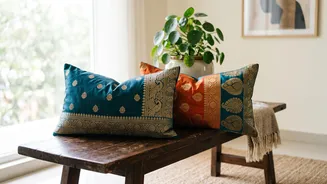
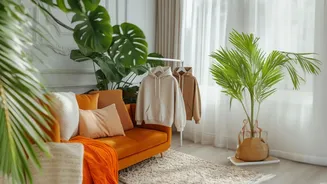
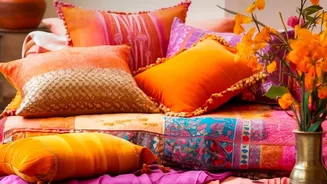
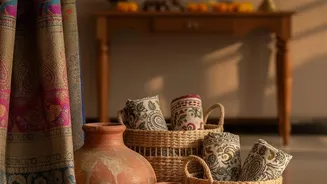
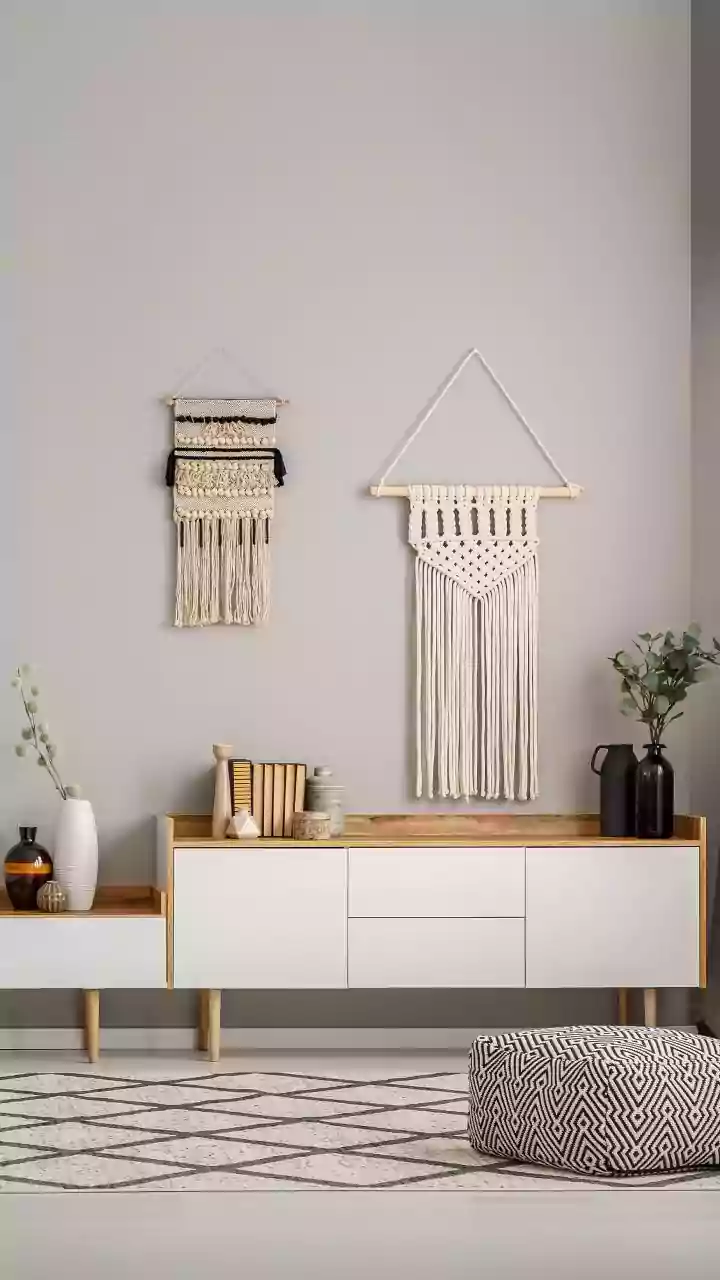
Old sarees, especially those made of silk, cotton, or chiffon, are a treasure trove for upcycling. Their large size and often intricate patterns make them perfect for bigger projects. The easiest transformation is creating vibrant cushion covers. Simply cut the fabric to size, and with a few stitches—or even fabric glue for a no-sew option—you can have a set of new pillows that add a splash of colour and ethnic elegance to your sofa. For a more dramatic statement, a beautiful silk or Banarasi saree can be hung as a wall tapestry, instantly creating a rich, textured focal point in the room.
From T-Shirts to a Cosy Rug
That pile of old, misshapen t-shirts can be transformed into a soft, colourful rug for your living room floor. This project is surprisingly simple and requires no sewing skills. Start by cutting the t-shirts into long, continuous strips about one to two inches wide. Once you have a good collection of these fabric 'yarns', take three strips and begin braiding them, just as you would with hair. As you get to the end of a strip, simply overlap a new one and continue braiding. Coil the long braid into a flat circle, stitching or weaving the coils together as you go to form a sturdy, circular rug. The result is a wonderfully soft and durable piece that adds a casual, handmade charm to your space.
Patchwork Throws and Runners
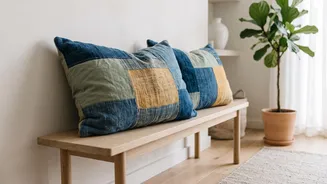
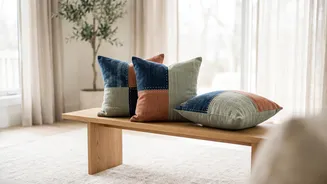
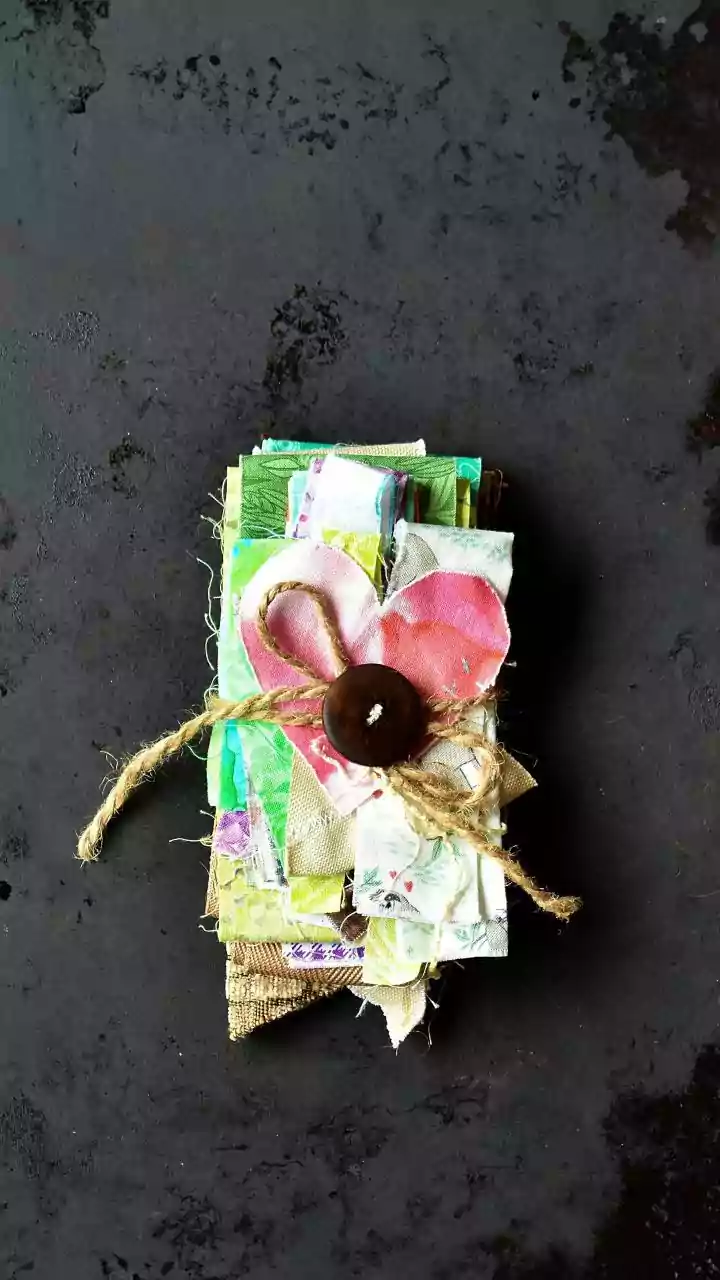
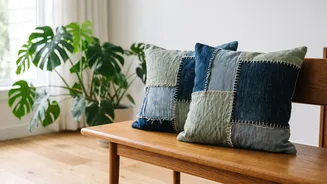
For smaller fabric scraps from various sources—old dupattas, children's clothes, or leftover tailoring material—a patchwork project is ideal. These pieces can be stitched together to create a bohemian-style throw blanket for your sofa or a unique runner for your coffee table. The key is to embrace the mix of colours and textures. Arrange the pieces in a pattern that pleases you, then sew them into a single panel. Back it with an old bedsheet for a neat finish and added weight. This not only uses up even the smallest scraps but also creates a cosy and visually interesting textile that tells a story of many fabrics combined.
Instant Art with Fabric Scraps
One of the quickest and easiest ways to add new life to your walls is by framing fabric. If you have an old blouse with beautiful embroidery or a piece of a dupatta with a stunning print, don't let it hide in a drawer. Cut out the most attractive section of the fabric and place it in a picture frame. For a more modern look, you can stretch the fabric tightly over a simple canvas board and staple it at the back. Grouping a few of these framed fabric pieces together creates a sophisticated and personal gallery wall for virtually no cost.
No-Sew Pillow Covers and Accents
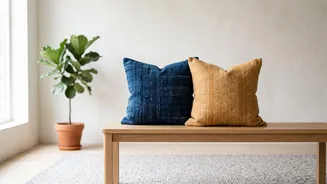
If sewing isn't your forte, there are plenty of no-sew options. Turn an old sweater into a cosy pillow cover by simply cutting a square, placing a pillow form inside, and using fabric glue or iron-on hem tape to seal the edges. Old shirts can also be converted; use the button-down front as a ready-made opening for a cushion. You can also wrap fabric around plain storage boxes to make them more decorative or create small fabric flowers to use as embellishments on curtains or other items. These simple techniques allow you to refresh your decor without needing any advanced skills.