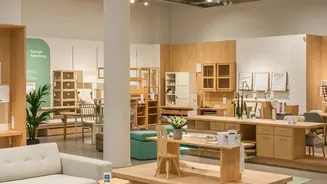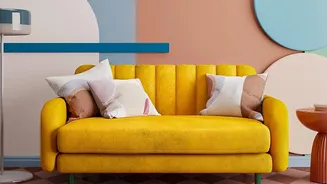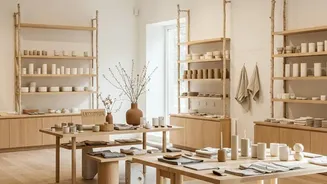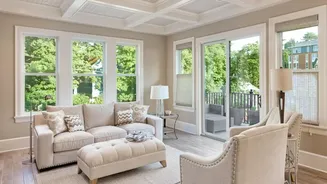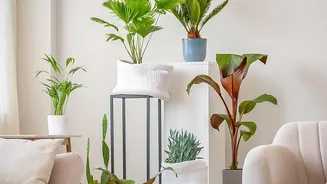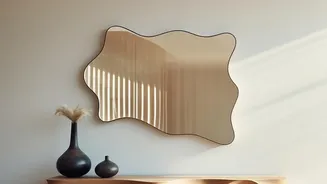


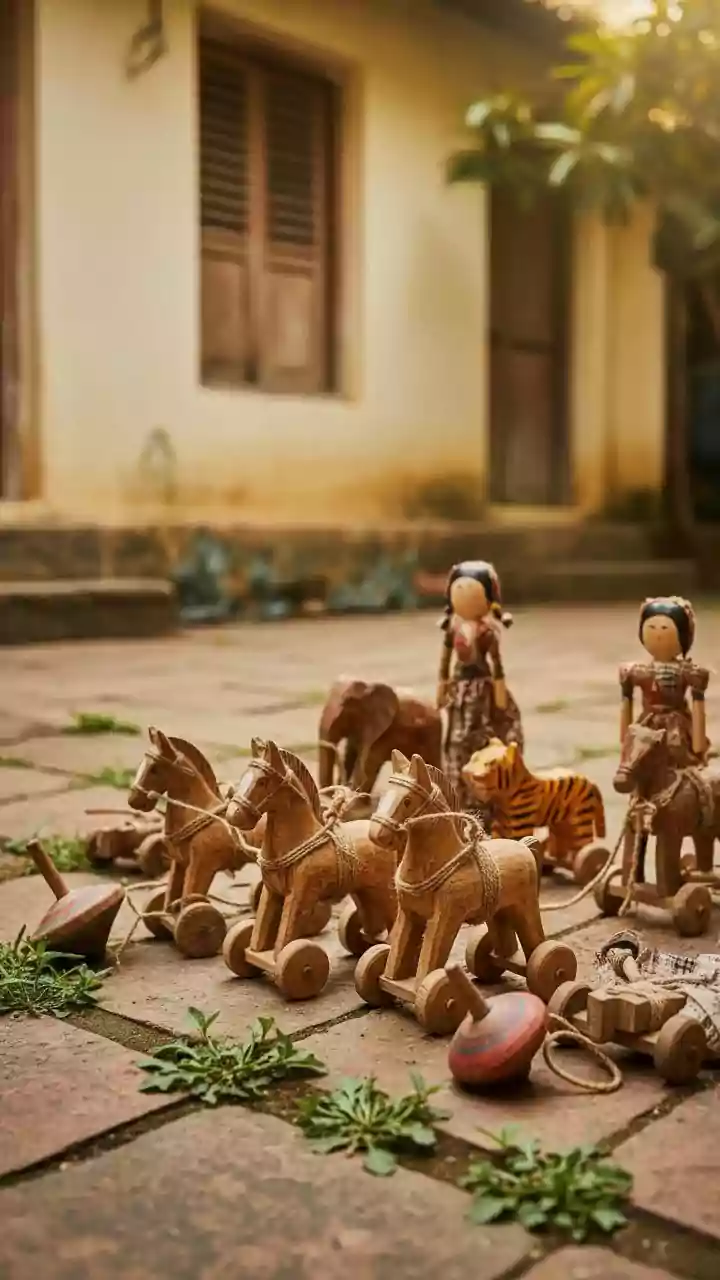
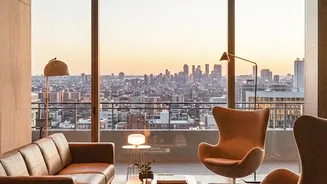
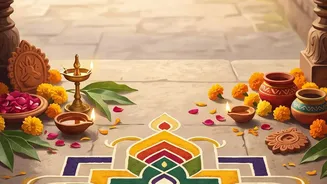
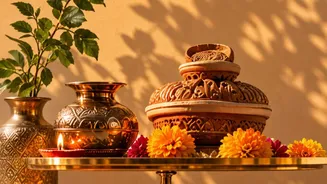
At first glance, the intricate richness of Indian heritage and the stark simplicity of minimalism seem like total opposites. Yet, a new wave of urban Indian design is proving they can be a perfect match, creating homes that are both modern and soulful.
A New, Confident Indian Aesthetic
For years, Indian homes often leaned towards a 'more is more' philosophy, filled with ornate carvings and heavy furnishings. But as lifestyles have become more global, there's a growing desire for spaces that are airy, functional, and calm. This doesn't mean a rejection of tradition. Instead, designers and homeowners are seeking a balance. The result is a design language that feels distinctly Indian yet globally fluent. It’s about creating a home that reflects a modern identity without losing its cultural essence. This trend moves beyond copying international styles, translating them into a context that feels authentic and deeply personal.
The Core Principle: Contrast and Curation
The secret to this successful fusion isn't clutter; it's intentional contrast. Designers often follow a '70/30' or even '80/20' rule, where the majority of the space remains minimal—defined by clean lines, uncluttered surfaces, and neutral colours. This clean canvas allows the remaining, carefully chosen heritage pieces to shine as statement art. Imagine a single, intricately carved wooden 'jharokha' mounted on a plain white wall, or a sculptural brass 'urli' placed on a simple concrete floor. The minimalist backdrop removes visual noise, forcing the eye to appreciate the form, texture, and craftsmanship of the traditional object. It’s about choosing fewer, more meaningful pieces.
A Tale of Two Palettes: Neutral and Vibrant
Minimalism is often associated with stark white, but in India, it takes on a warmer, earthier tone. Palettes built around beige, cream, sand grey, and olive green are popular because they feel natural in the bright Indian light and are practical for daily life. These muted shades serve as the perfect backdrop for pops of vibrant, traditional colour used as accents. A flash of indigo, a hint of Rani pink, or a warm terracotta tone can be introduced through a hand-block printed cushion, a 'Kalamkari' wall hanging, or a single piece of upholstery. This approach allows the design to feel colourful and alive without overwhelming the serene, minimalist feel.
Material and Texture Tell the Story
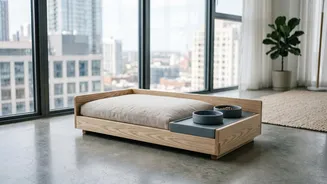
This design trend is a celebration of texture. The sleekness of minimalist materials like glass, metal, and polished concrete creates a beautiful juxtaposition with the tactile, organic feel of Indian crafts. Designers often pair cool Kota stone flooring with the warmth of reclaimed teak or sheesham wood furniture. The rustic finish of terracotta pottery, the woven texture of a cane screen, or the soft feel of a handwoven 'dhurrie' rug add layers of warmth and character. These natural materials, deeply rooted in Indian building traditions, prevent minimalist spaces from feeling cold or impersonal, infusing them with a sense of history and soul.
Spotlighting Artisanal Craftsmanship
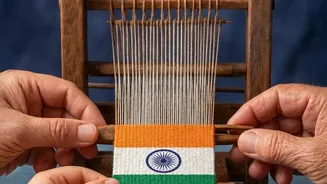
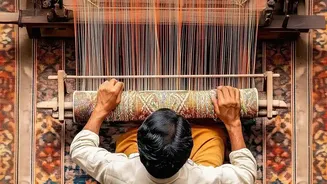
At its heart, this trend is about creating a modern platform for India's vast repository of artisanal skills. Instead of being confined to traditional settings, crafts are being reimagined. Handloom fabrics like 'ikat' and 'khadi' are used for upholstery on modern sofas. Metalwork techniques like 'Bidriware' from Karnataka are finding new life in contemporary decorative accessories. Even architectural elements like 'jaalis' (lattice screens) are being incorporated into modern homes to play with light and shadow while ensuring privacy. By placing these handcrafted items in a minimalist context, their value is elevated from mere decoration to celebrated art.