




A Cultural Shift to Mindful Indulgence
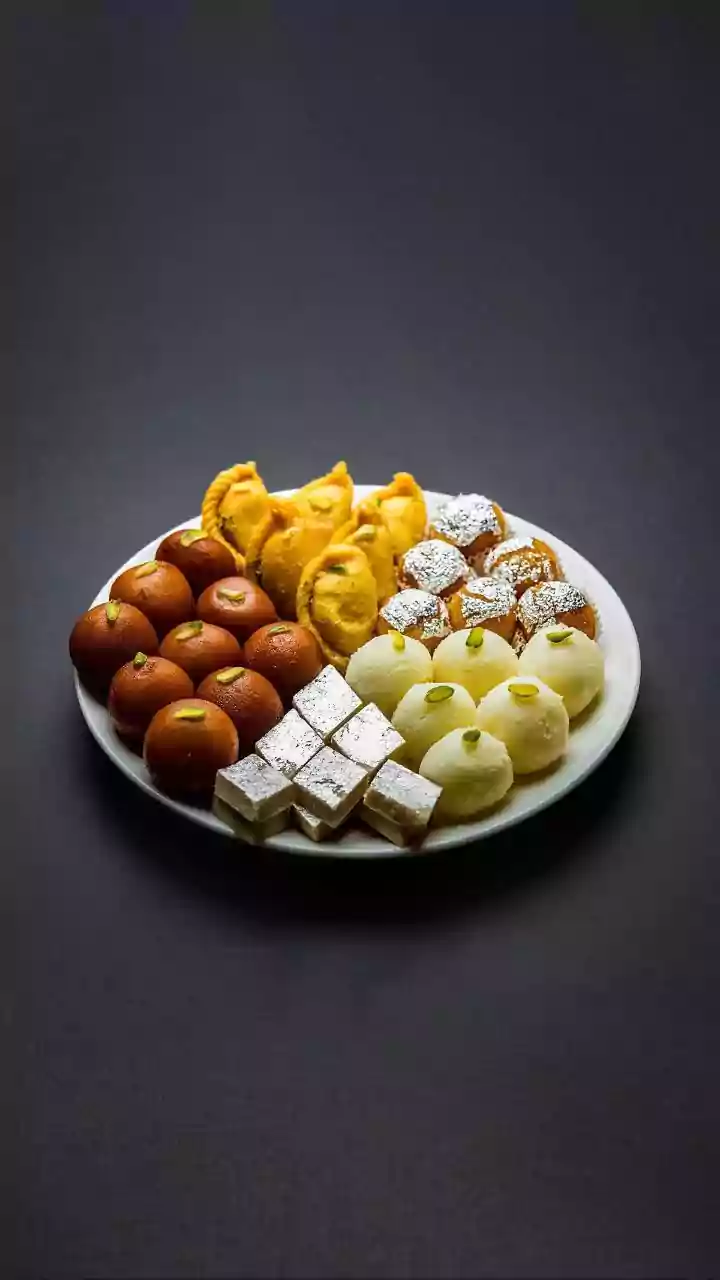
For generations, Indian festivals have been a time of joyous excess, with mithai playing a central role. However, a growing wave of health consciousness is reshaping consumer habits. People are no longer willing to completely abandon their wellness goals,
even during celebrations. This has created a rising demand for healthier alternatives to traditional sweets, which were often laden with refined sugar and flour. This shift is driven by a greater awareness of lifestyle-related health issues and a desire for 'clean eating'. As a result, sweet makers, from heritage brands like Anand Sweets to newer startups, are innovating to meet this demand, reimagining classic recipes for a modern, health-aware audience. They are finding that consumers want treats that offer both exceptional flavour and nutritional benefits, leading to a boom in sweets made from ingredients like dry fruits, natural sweeteners, and ancient grains.
The Nutritional Power of Ancient Grains
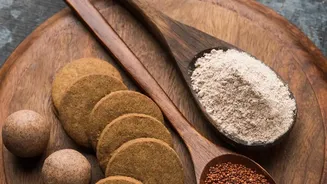
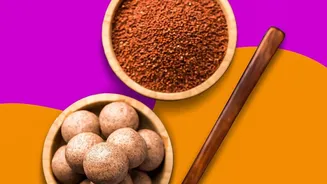
Millets like ragi (finger millet), bajra (pearl millet), and jowar (sorghum) are at the heart of this sweet transformation. Once considered rural staples, these 'superfoods' are making a powerful comeback, celebrated for their impressive health benefits. They are naturally gluten-free, making them suitable for those with sensitivities. Ragi is a standout for its high calcium and iron content, which supports bone health and helps boost haemoglobin levels. Jowar is praised for being rich in fibre and antioxidants, while bajra is a powerhouse of iron, protein, and fibre. All three millets have a low glycaemic index, meaning they release sugar into the bloodstream slowly. This helps manage blood sugar levels, provides sustained energy, and aids in weight management by promoting a feeling of fullness. Their high fibre content also supports good digestion and gut health.
Innovations from the Halwai's Kitchen
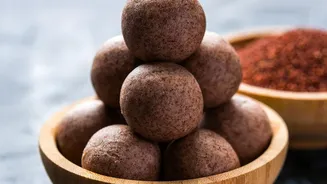
Adapting traditional laddoo recipes to incorporate millets is a craft that balances science and artistry. Sweet makers are not just swapping flours; they are rethinking the entire process. Many are replacing refined white sugar with natural alternatives like jaggery, dates, or palm sugar, which add their own minerals and complex flavours. The earthy, nutty taste of millet flours like ragi and bajra is enhanced by roasting them in pure ghee until aromatic. This crucial step deepens the flavour profile of the final product. To create the perfect texture, these flours are often combined with nuts, seeds, and binders like dates or a light jaggery syrup. Brands across the country, from Chennai to Bengaluru, are launching creative new products like 'thinai pandhari ladoo' (foxtail millet laddoo) and even 'kambu coffee Mysore pak' (pearl millet coffee Mysore pak), proving that healthy can also be delicious and inventive.
Guilt-Free Taste Without Compromise
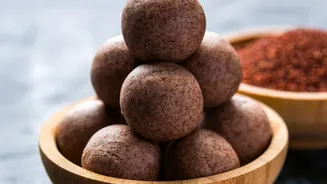
The ultimate question for any sweet lover is: do they taste as good? The answer is a resounding yes, though the experience is different. Millet laddoos offer a richer, nuttier, and more complex flavour profile than their conventional counterparts. The texture is often denser and more satisfying. Ragi laddoos, for example, are known for their deep, earthy taste, which pairs beautifully with the caramel notes of jaggery and the aroma of cardamom. Bajra adds a warming quality, making it a popular choice for winter sweets. These reimagined laddoos are no longer just an indulgence but a nutritious snack. Packed with fibre, protein, and essential minerals, they provide sustained energy, making them a perfect treat for any time of day. Consumers are discovering that they can honour festive traditions and satisfy their sweet cravings without the guilt associated with sugar-heavy desserts.