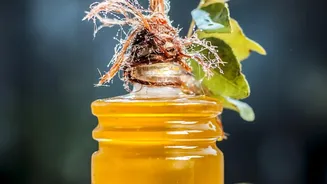







What is Neem Oil?
Neem oil is a natural pesticide extracted from the seeds of the neem tree (Azadirachta indica), which is native to the Indian subcontinent. For centuries, it has been used in agriculture and traditional medicine. Its power as a pest deterrent comes from several
active compounds, most notably azadirachtin. This key component is what makes neem oil such an effective tool in an organic gardener's arsenal, offering a biodegradable and eco-friendly alternative to many synthetic chemical pesticides.
A Multi-Pronged Attack on Pests
Neem oil doesn’t just kill pests on contact; it works in multiple ways to disrupt their lifecycle. First, as an antifeedant, it makes treated leaves unpalatable to chewing and sucking insects. Second, azadirachtin acts as a hormone disruptor, interfering with an insect's ability to grow, molt, and lay eggs. This prevents pest populations from multiplying. Finally, the oil itself can suffocate smaller, soft-bodied insects like aphids and mites upon direct application by blocking their breathing spiracles. This combined action makes it a formidable opponent for many common garden invaders.
Pests It Effectively Controls
Neem oil is effective against a wide range of common pests that frequently plague potted balcony plants. This includes soft-bodied insects like aphids, spider mites, mealybugs, whiteflies, and thrips. It also works on the immature larval stages of other insects such as caterpillars and leafminers. Beyond insects, neem oil can also help manage certain fungal diseases like powdery mildew, black spot, and rust by preventing spores from germinating and spreading to healthy leaves.
How to Mix and Apply Correctly
For neem oil to be effective, it must be mixed properly. Because it's an oil, it won't mix directly with water. You need an emulsifier. A common homemade recipe is to mix one teaspoon of pure, cold-pressed neem oil with one litre of water and a few drops of mild liquid soap. Shake the solution vigorously in a spray bottle and use it immediately, as the active compounds can degrade over time. Before spraying your entire collection, it's wise to test the mixture on a single leaf and wait 24 hours to check for any signs of leaf burn or sensitivity.
The Importance of Consistency
The headline's emphasis on 'regular spraying' is crucial. Neem oil is not a one-and-done silver bullet; its strength lies in consistent application. Because it primarily works by disrupting the pest lifecycle, regular spraying ensures you catch pests at different stages of development, from egg to adult. For preventative care, applying every 14 days is a good routine. If you have an active infestation, you should increase the frequency to every 5 to 7 days until the problem is under control. This persistence is what makes neem oil so effective at protecting your plants long-term.
Precautions for Healthy Plants
While neem oil is a powerful ally, a few precautions are necessary. Always apply it in the early morning or late evening. Spraying in direct, hot sun can cause the oil to burn the leaves. Avoid applying it to plants that are already stressed from underwatering, disease, or recent transplanting. Some plants with fuzzy or delicate leaves, like certain succulents or African violets, can be sensitive to oils, so the patch test is especially important for them. Using neem oil too frequently can also clog a plant's pores, so it's important to stick to a measured schedule.