




Why Monsoon Demands Extra Care
The high humidity and warm temperatures of the monsoon create a perfect breeding ground for bacteria, mould, and fungi. While fermentation relies on good bacteria to preserve food and create flavour, these damp conditions can accelerate spoilage and encourage
the growth of harmful microbes that cause food poisoning and digestive distress. Batters for idli, dosa, or dhokla can over-ferment quickly, leading to spoilage, while pickles and other ferments are more susceptible to unwanted mould if not prepared and stored correctly.
The Gut-Health Connection
Despite the risks, there's a good reason to keep fermented foods in your diet. They are packed with probiotics—live microorganisms that support a healthy gut. A balanced gut microbiome is crucial for good digestion and strong immunity, which can be especially vulnerable during the rainy season. These beneficial bacteria help break down food, increase nutrient absorption, and protect against pathogens. By taking a few precautions, you can continue to reap these benefits all season long.
A Checklist for Homemade Ferments
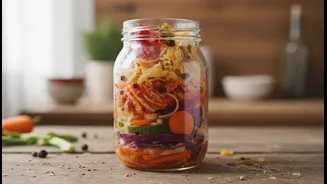
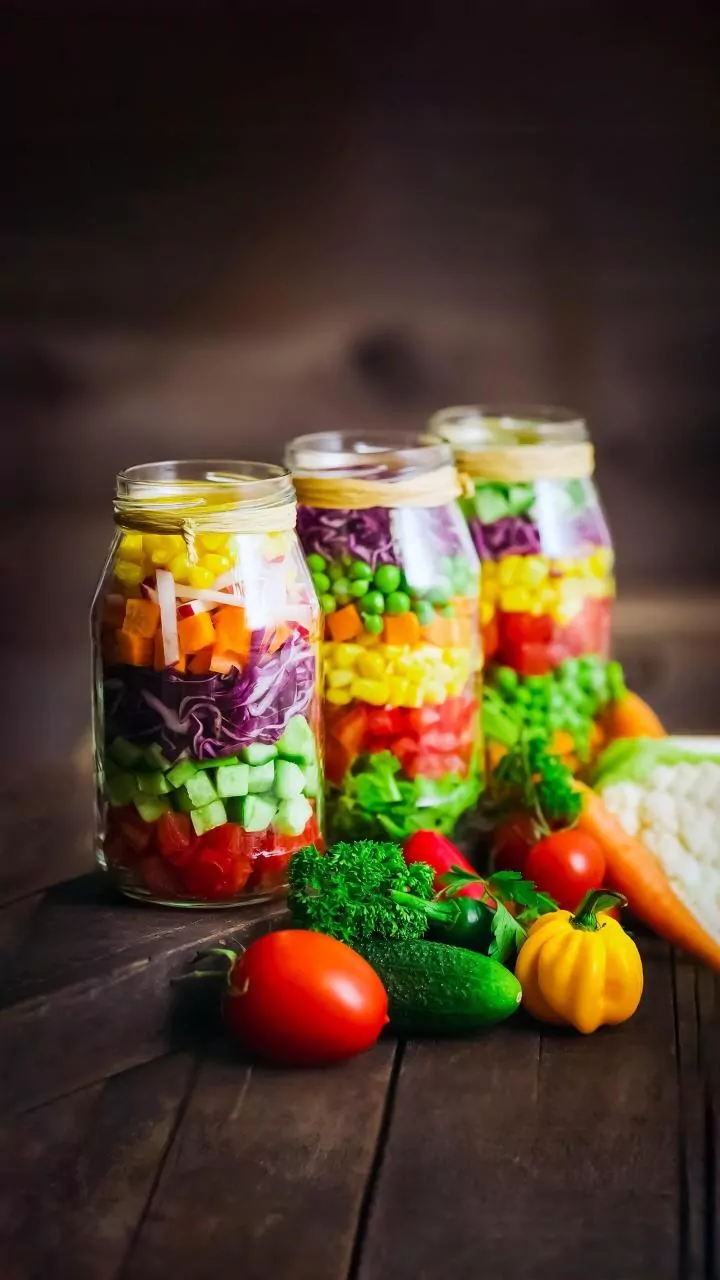
Fermenting at home can be rewarding, but hygiene is non-negotiable, especially now. Start with the freshest ingredients possible, as this will lead to a better-tasting and safer final product. Always use sterilized glass jars and food-grade containers; avoid reactive metals. Use non-iodized salt as it's crucial for controlling the fermentation process and preventing spoilage. During hot and humid weather, you may need slightly more salt to slow down fermentation. Ensure that vegetables are fully submerged in brine to prevent exposure to air, which can cause mould. Finally, ferment in a relatively cool, dark place away from direct sunlight, as high temperatures can cause mushy textures and off-flavours.
Smart Shopping for Fermented Goods
When buying ready-made fermented products like pickles, yogurt, or batters, be a vigilant shopper. Check the packaging for any signs of bloating, leakage, or damage. Always verify the manufacturing and expiry dates, opting for the freshest batch available. If buying from a local store, ensure the products are stored in a clean, cool environment, especially for items that require refrigeration. For items like idli or dosa batter, it's best to buy it fresh and use it the same day rather than storing it for extended periods.
Know the Red Flags of Spoilage
Your senses are your best defence against spoiled food. A healthy ferment should smell pleasantly sour or tangy. If it smells putrid, rotten, or just plain wrong, discard it immediately. Visually inspect for mould. Fuzzy spots of green, black, blue, or pink are a definite sign of spoilage and the entire batch should be thrown away. Don't confuse this with Kahm yeast, a harmless, flat, white film that can be skimmed off. Any unusual sliminess or a mushy texture is another indicator that something has gone wrong. When in doubt, always err on the side of caution and throw it out.
Enjoying Monsoon Ferments Wisely
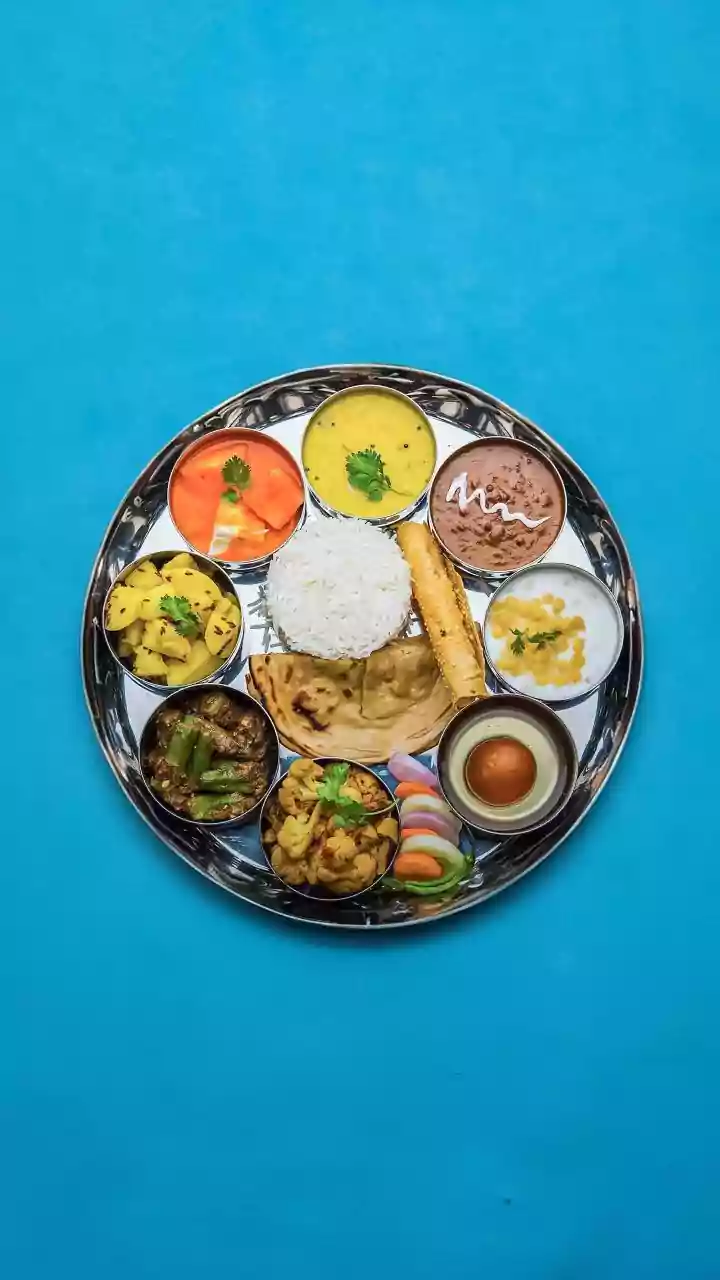
You don't have to give up your favourite fermented dishes. According to some Ayurvedic principles and general food safety, consuming fermented foods when they are freshly prepared and served hot, like in idlis or dosas, is a safer bet. If you enjoy yogurt or buttermilk, try having it during the day and consider adding a pinch of digestive spices like roasted cumin or black pepper. When trying new or intensely flavoured ferments, start with a small portion to see how your system reacts. Pairing them with a simple staple like plain rice can also help balance the flavours and make them easier to digest.