

Not All Pickles Are Created Equal
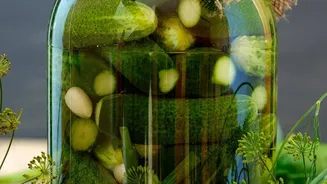
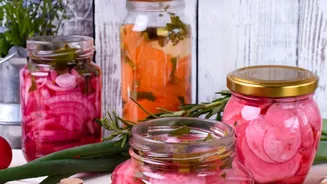
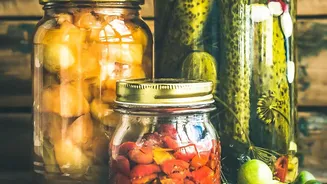
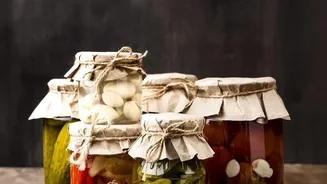
When we think of pickles, we often picture the brightly coloured jars lining supermarket shelves. Most of these are 'quick pickles', created by preserving vegetables in a brine of vinegar and heat. While tasty, this modern method is very different from
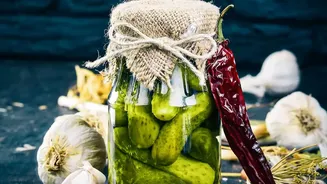
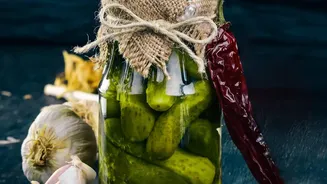
the heritage techniques our ancestors used. Ancient pickling, a practice dating back thousands of years to Mesopotamia and ancient India, relies on a natural process called lactic acid fermentation. This is the key difference: instead of using vinegar to create a sour taste, traditional pickling uses salt and water to allow beneficial bacteria to do the work, creating a food that is alive with microbial activity.
The Science of Fermentation
Heritage pickling is a beautiful example of microbiology at work, long before we even knew what microbes were. The process, known as lacto-fermentation, begins by submerging vegetables in a saltwater brine. This salty environment inhibits the growth of harmful bacteria while allowing naturally present, salt-tolerant bacteria called Lactobacillus to thrive. These 'good' bacteria consume the natural sugars in the vegetables and convert them into lactic acid. This acid acts as a natural preservative, protecting the food from spoilage and giving fermented pickles their signature tangy flavour. More importantly, this process cultivates billions of live, beneficial microorganisms, turning a simple cucumber or cabbage into a natural probiotic.
Your Gut: A Bustling Inner Ecosystem
To understand why probiotics are so important, we need to look at our gut microbiome—the trillions of microorganisms living in our digestive system. This inner ecosystem is crucial for everything from digestion and nutrient absorption to immune function and even mood regulation. A healthy gut is a diverse gut. When the balance of 'good' and 'bad' bacteria is disrupted, it can lead to issues like bloating, poor digestion, and inflammation. Diets rich in a variety of foods, especially those containing live cultures, are associated with greater microbial diversity, which is a consistent marker of a healthy gut.
How Fermented Foods Enhance Gut Diversity
This is where heritage pickles shine. By eating traditionally fermented foods, you are directly introducing live lactic acid bacteria into your digestive tract. A 2021 Stanford study highlighted that a diet high in fermented foods increased microbial diversity and decreased markers of inflammation. These live cultures can interact with your resident microbes, helping to support a balanced and resilient gut environment. The fermentation process also has other benefits; it can make nutrients in the food more bioavailable, meaning your body can absorb minerals like iron and zinc more easily. This is why many refer to them as 'superfoods'—they are not just preserved, but nutritionally enhanced.
From Achaar to Kimchi: A Global Tradition
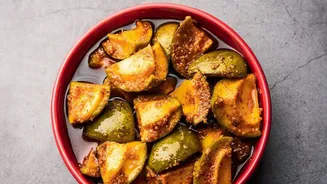
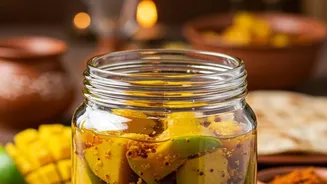
This ancient wisdom isn't confined to one part of the world. In India, traditional 'achaar' made from mango, lemon, or amla often undergoes fermentation, making it a source of probiotics. In Korea, kimchi (fermented cabbage) is a staple, while in Germany, it's sauerkraut. These foods were all born from the same necessity: preserving the harvest. Today, they offer a flavourful and natural way to add beneficial bacteria to our diets. When shopping, look for clues that indicate true fermentation. Products labelled 'raw', 'unpasteurized', and 'live cultures' are good indicators. These pickles are typically found in the refrigerated section of the store, as cold temperatures keep the live bacteria stable. The ingredient list should be simple: vegetables, water, and salt—not vinegar.