


The Old Battery Dilemma
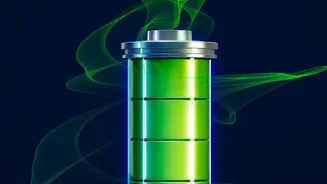
For years, the growth of the electric scooter market was tethered to the limitations of traditional lithium-ion batteries, specifically the Nickel Manganese Cobalt (NMC) chemistry. While powerful, NMC batteries have significant drawbacks. Their reliance
on expensive and ethically fraught materials like cobalt and nickel kept manufacturing costs high, which were passed directly on to the consumer. This made electric scooters a premium purchase, often struggling to compete on price with their petrol counterparts. Furthermore, NMC chemistry is less stable at high temperatures, a major concern in India's hot climate. This thermal sensitivity not only poses safety questions but also accelerates battery degradation, meaning the scooter's range diminishes more quickly over its lifespan.
Enter the Game-Changers: LFP and Sodium-Ion
Two key innovations are rewriting the rules for scooter batteries: Lithium Iron Phosphate (LFP) and Sodium-ion (Na-ion). LFP batteries have emerged as the most viable and immediate alternative. By replacing cobalt and nickel with abundant and inexpensive iron, LFP chemistry drastically cuts down material costs. LFP is also chemically more stable, with a much higher thermal runaway threshold, making it inherently safer and better suited to punishing Indian summers. Looking further ahead, sodium-ion batteries represent the next frontier. Using sodium, which is plentiful and cheap, this technology promises even greater cost reductions and enhanced safety. While currently having a lower energy density, Na-ion technology is rapidly improving and is already being deployed in some electric two-wheelers, particularly for budget-friendly models where cost is paramount.
Solving the Range and Efficiency Puzzle
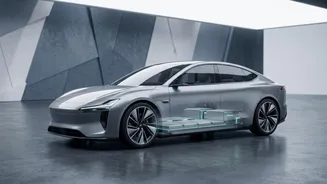
Next-gen batteries tackle the range issue in several ways. While older LFP batteries had lower energy density than NMC, recent advancements in cell and pack design have closed the gap significantly. Manufacturers are now creating 'cell-to-pack' (C2P) designs that eliminate intermediate modules, packing more active material into the same space and reducing weight. This leads to higher capacity packs that deliver longer real-world range. Moreover, improved Battery Management Systems (BMS) are crucial. These smart systems optimize charging, manage heat, and balance individual cells more effectively, squeezing every possible kilometre out of the battery pack while preserving its long-term health. The result is not just more range on day one, but more consistent range over the scooter's entire life, as LFP batteries can endure thousands of charge cycles with minimal degradation compared to NMC.
The Clear Path to a Lower Price Tag
The most significant impact of these new battery technologies is on the scooter's final sticker price. The battery can account for 40-50% of an electric scooter's total cost. By shifting from expensive cobalt and nickel to abundant iron (in LFP) and sodium (in Na-ion), manufacturers are achieving dramatic cost savings in raw materials. This cost advantage is amplified as production scales up, especially with the Indian government's push for local manufacturing. Companies are no longer forced to choose between offering a long range or an affordable price; they can now start to deliver both. As a result, the price difference between an entry-level petrol scooter and a capable electric alternative is shrinking faster than ever, making the switch to electric a financially sound decision for a much broader audience.
What This Means for Indian Riders
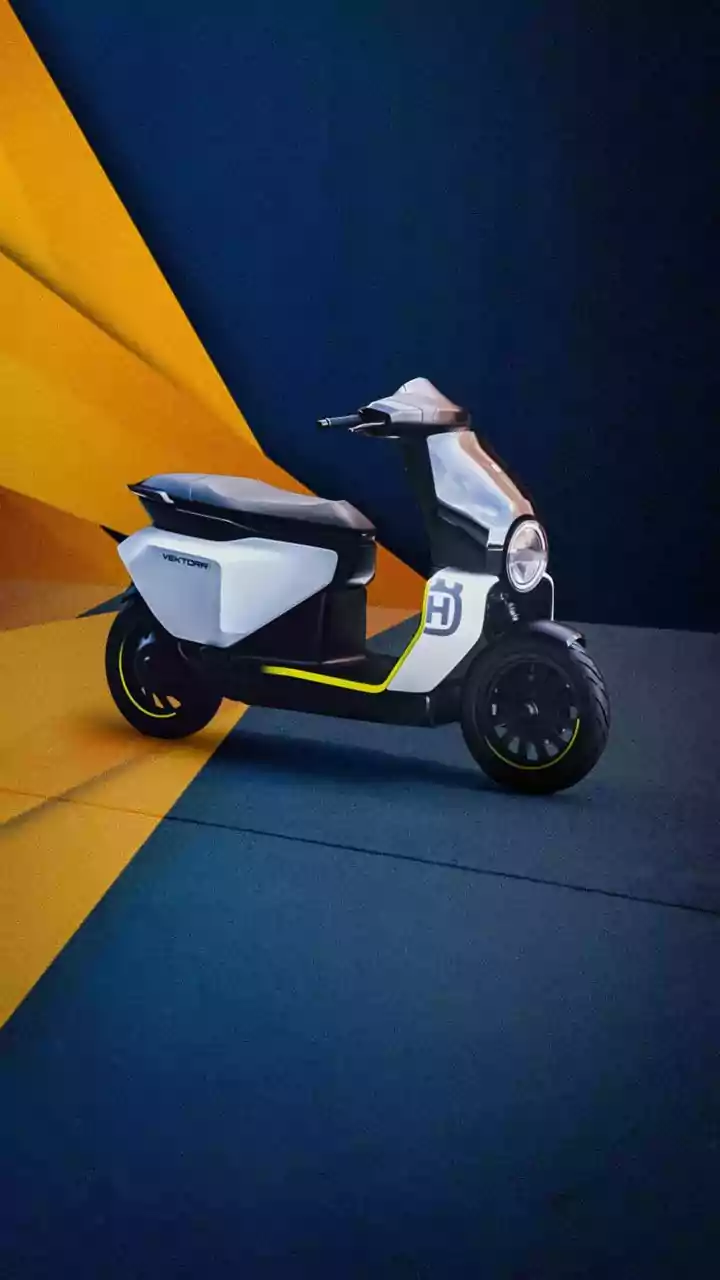
For the average Indian commuter, this technological shift is a game-changer. It means electric scooters are becoming more practical and affordable. A scooter with an LFP battery can be charged daily without worrying about rapid degradation, can withstand being parked in the summer heat, and offers a predictable range for daily commutes of 40-50 km and beyond. The emergence of sodium-ion will likely push prices down even further, creating a new segment of ultra-affordable electric scooters. This innovation isn't just about better specs on a brochure; it's about building trust and reliability. By addressing the core concerns of price, range, safety, and longevity, next-gen batteries are finally unlocking the true potential of electric mobility for the Indian masses, paving the way for cleaner, quieter, and more economical urban transport.