

The New Economics of Travel
At first glance, a flight seems faster. But when you factor in the total cost, the picture changes, especially for families and groups. Rising airfares for popular routes are making travellers think twice. For a family of four, the cost of plane tickets
can quickly multiply, while the cost of fuel for a single car remains relatively fixed. Add to that the expense of taxis to and from distant airports, and the seemingly cheap flight isn't so economical anymore. One traveller noted that a family trip to Udaipur by car cost nearly one-third of the total price of air tickets for the family. This simple arithmetic is convincing many that the most cost-effective way to travel short distances is by road, leaving more money for the holiday itself.
Flexibility Is the New Luxury
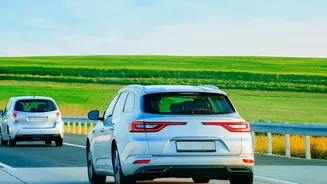
Modern travel is no longer just about reaching a destination; it's about the experience. A car offers a level of freedom and flexibility that flights simply cannot match. There are no rigid schedules to follow, no baggage limits to worry about, and no prohibitions on what you can bring back. The ability to make spontaneous stops at a scenic viewpoint, a roadside dhaba, or a newly discovered attraction transforms travel from a logistical task into an adventure. This desire for control and privacy, a trend that gained momentum during the pandemic, continues to shape travel choices. Travellers want to move at their own pace, creating personalised itineraries that cater to their interests, a freedom that is the ultimate luxury.
The Journey Becomes the Destination
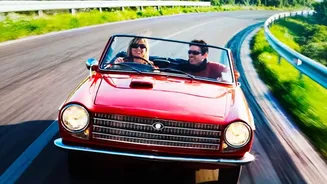
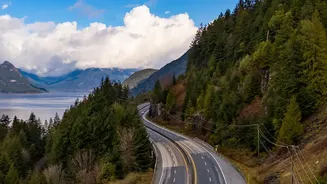
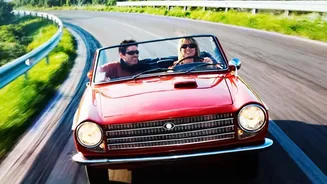
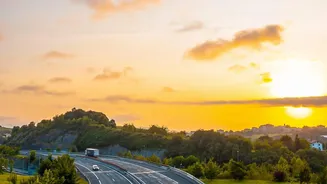
India's rapidly improving road infrastructure is a major catalyst for this trend. The government's focus on expanding and upgrading the national highway network has been a game-changer. New expressways like the Delhi-Mumbai and Mumbai-Nagpur corridors have drastically reduced travel times and made long-distance driving more comfortable and safer. These modern highways are turning the drive itself into an enjoyable part of the vacation. With smoother roads and better connectivity to previously hard-to-reach destinations, travellers are rediscovering the joy of the open road. The classic 'Dil Chahta Hai' road trip moment is no longer a cinematic fantasy but an accessible reality for millions.
An Ecosystem Built for the Road
The shift to road travel is supported by a burgeoning ecosystem of services that make driving easier than ever. The self-drive car rental market in India is booming, expected to reach a market size of around ₹5,000 crore in 2026. This growth reflects a change in mindset, particularly among younger travellers, who increasingly prefer access to a vehicle over ownership. Companies offer a wide range of vehicles, from hatchbacks to SUVs, that can be booked with a few taps on an app. This trend is not just confined to metros; Tier-2 and Tier-3 cities are also seeing a surge in demand for rental cars as more people seek independent travel options. The availability of reliable cars on demand removes a significant barrier for those who don't own a suitable vehicle for a long trip.
A Shift in Traveller Mindset
Ultimately, the trend reflects a deeper change in what people want from their holidays. After years of prioritising speed, many are now seeking more authentic and experiential journeys. Road trips cater perfectly to this desire. They allow for a deeper connection with the landscape and local culture, which is often missed when flying from one urban hub to another. This preference is visible in the rising demand for homestays and boutique properties in smaller towns, which are more accessible by car. The modern Indian traveller is increasingly sophisticated, looking for more than just a destination. They are seeking memories, experiences, and a sense of adventure, and for many, that journey begins the moment they turn the key in the ignition.