






Will My Flight or Train Be Delayed?
Winter in many parts of India, especially the north, means dense fog. This can severely disrupt flight and train schedules, leading to hours-long delays or even cancellations. Before booking a trip to or from North India, check historical data on fog-related
disruptions for your chosen airport or railway line. For destinations like Delhi, Punjab, or Uttar Pradesh, morning and late-night travel are most likely to be affected. Authorities often advise travellers to stay updated with transport schedules and build buffer time into their itineraries.
What's the 'Real Feel' Temperature?
The number on a weather app doesn't always tell the full story. The 'real feel' or 'apparent temperature' is a more accurate measure of how cold it will feel on your skin, as it accounts for factors like wind chill and humidity. In cold, windy destinations like the Himalayas or parts of Europe, a strong wind can make 0°C feel like -10°C. This is called the wind chill effect and it significantly increases the rate at which your body loses heat. Understanding this helps you pack appropriate clothing, like windproof jackets and thermal layers, rather than just relying on the reported temperature.
Are the Roads Accessible?
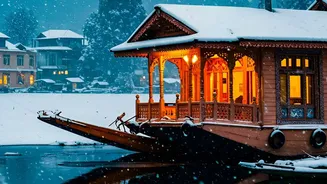
Dreaming of a road trip to a snowy hill station like Manali or Shimla? Heavy snowfall can lead to road closures, especially on high-altitude passes and interior roads. In regions like Himachal Pradesh and Uttarakhand, it's common for hundreds of vehicles to get stranded after a fresh spell of snow. Before you book, inquire about the accessibility of your chosen destination. Ask your hotel or tour operator about typical road conditions during that specific month and whether you'll need a 4WD vehicle or snow chains to reach your accommodation safely.
How Many Daylight Hours Will I Have?
If you're travelling to destinations far north, like Scandinavia or Iceland, daylight hours in winter can be extremely limited. Some places experience a 'polar night' with very little to no direct sunlight. While this creates opportunities for seeing the Northern Lights, it also means your time for daytime activities and sightseeing is short. Even in European cities like London or Paris, the sun can set as early as 4 PM. Check the average daylight hours for your destination during your travel dates to plan your activities effectively and make the most of the light you have.
Is It a 'Dry' Cold or a 'Wet' Cold?
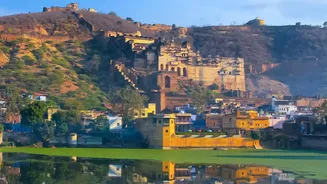
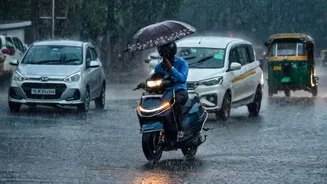
Not all cold weather is the same. A 'dry' cold, often found in desert regions like Rajasthan or high-altitude areas like Ladakh, can feel more manageable with layers. However, it often comes with dry skin and the need for heavy moisturiser. A 'wet' or 'damp' cold, common in coastal European cities or during winter rain, can feel more bone-chilling even at milder temperatures. For these conditions, waterproof outerwear is essential, not just for rain but to block the damp air. Knowing the type of cold helps you pack the right kind of gear, from skincare to outerwear.
Am I Going to a Sun Destination in its Rainy Season?
Many Indian travellers escape the cold for tropical destinations like Thailand, the Maldives, or Bali. However, winter in India can coincide with the monsoon season in some parts of Southeast Asia. While destinations like Thailand and the Maldives are generally dry and sunny in December, others like parts of Indonesia or Malaysia might still be experiencing their rainy season. A quick check of the destination's climate patterns for your travel month can save you from a holiday of unexpected downpours.