



Why the Sudden Focus on Breakfast?
For years, the morning meal in many Indian households has been a rushed affair—a quick cup of chai with a biscuit, or perhaps nothing at all until lunch. This is changing. The renewed emphasis on morning nutrition isn't just a fleeting wellness trend;
it's a direct response to our modern lifestyles. Increasing awareness of lifestyle diseases like diabetes and hypertension, coupled with a post-pandemic focus on immunity and overall health, has put our daily habits under the microscope. People are connecting the dots between morning sluggishness, mid-day energy slumps, and what they ate (or didn't eat) hours earlier. Nutritionists and health influencers have amplified this message, turning the humble breakfast into a non-negotiable pillar of a healthy routine.
The Science of 'Breaking the Fast'
The term 'breakfast' literally means breaking the overnight fast. After 8-12 hours without food, your body's glycogen (energy) stores are low. A well-balanced breakfast replenishes these stores and kick-starts your metabolism, telling your body it’s time to start burning calories efficiently. A nutrient-dense morning meal stabilises blood sugar levels, preventing the sharp spikes and crashes that come from sugary foods or skipping the meal entirely. This stability is crucial for sustained energy and mood. Furthermore, studies consistently show that a good breakfast enhances cognitive function. It improves memory, concentration, and problem-solving skills, making you sharper and more productive at work or school.
Common Breakfast Mistakes to Avoid
Making breakfast a priority is the first step, but what you eat matters just as much. Many common breakfast choices can do more harm than good. 1. **Skipping It Entirely:** This is the most common mistake. It can lead to overeating later in the day and can slow down your metabolism as your body enters a state of conservation. 2. **The Carb-Only Trap:** A breakfast of just toast, biscuits, or a plain bowl of cereal provides a quick burst of energy followed by a crash, leaving you hungry and tired soon after. Traditional options like poha or upma are great, but they need a protein boost. 3. **Choosing Sugary & Processed Foods:** Packaged cereals, fruit juices, and pastries are often loaded with hidden sugars and refined flours. They offer little nutritional value and contribute to weight gain and energy instability.
Building a Better Breakfast Plate
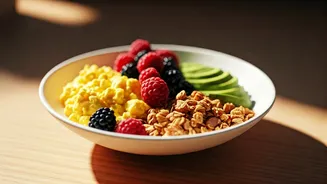
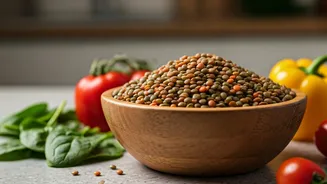
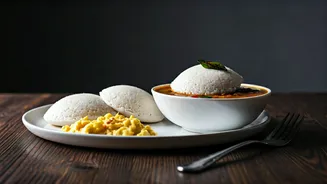
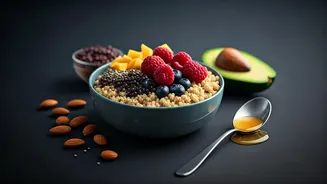
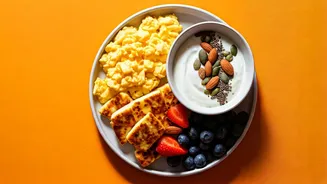
The formula for a perfect breakfast is simple: Protein + Fibre + Healthy Fats. This combination keeps you full, provides sustained energy, and delivers essential nutrients. You don't need fancy, imported ingredients to achieve this. Many traditional Indian breakfasts are naturally well-balanced or can be easily modified. * **Protein:** Think eggs, Greek yoghurt, paneer, besan (in a chilla), sprouts, or sambar with idli. If you're having poha or upma, add a handful of peanuts or a side of boiled chana. * **Fibre:** This comes from whole grains (oats, dalia, whole-wheat roti), vegetables (add them to your upma, omelette, or chilla), and fruits. * **Healthy Fats:** Nuts, seeds (like chia and flax), and avocado are excellent sources that improve satiety.
Quick Fixes for Hectic Mornings
Lack of time is the biggest barrier to a healthy breakfast. But with a little planning, it’s entirely possible to have a nutritious meal in minutes. * **Prep the Night Before:** Chop vegetables for an omelette or upma and store them in the fridge. Prepare overnight oats by mixing rolled oats with milk or yoghurt and letting it sit. * **Embrace 5-Minute Meals:** A besan or moong dal chilla cooks in minutes. Scrambled eggs or a simple fruit-and-yoghurt smoothie are also incredibly quick. * **Smart Grab-and-Go:** If you must eat on the run, choose wisely. A piece of fruit, a handful of almonds, or a hard-boiled egg are far better options than a packaged biscuit or a samosa from the street vendor.