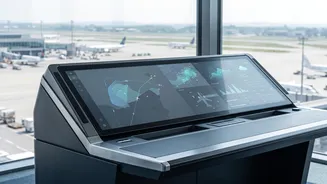




Behind the scenes of every flight, a complex network of technology ensures your safety. Now, the FAA is rolling out one of its biggest upgrades in decades, replacing systems from the 1980s with a unified, 21st-century information platform.
From Floppy Disks to Digital Displays
In an age of
instant data, it might be surprising to learn that parts of the U.S. air traffic control system have relied on technology from the 1980s, including floppy disks, to manage critical information. Air traffic controllers have juggled four separate legacy systems to access vital data like weather updates, airspace restrictions, equipment status, and flight alerts. This fragmented approach not only makes the job more complex but also depends on aging hardware that is difficult and costly to maintain. The FAA has embarked on a significant modernisation effort to address these issues head-on, aiming to bring the information backbone of the National Airspace System (NAS) into the modern era.
Introducing the E-IDS Platform
The centerpiece of this upgrade is the Enterprise Information Display System, or E-IDS. Announced in early November 2026, E-IDS is a single, integrated platform designed to consolidate all essential operational data into one streamlined display. Instead of consulting multiple screens and sources, controllers will have a unified, real-time view of everything they need to manage airspace safely and efficiently. According to the FAA, this system gives controllers faster access to the information needed for timely decisions. The goal is to move away from outdated, manual processes and create a more resilient and responsive air traffic control environment.
What This Means for Air Safety
The shift to E-IDS represents a major leap forward for aviation safety. By providing a single source of truth, the system reduces the risk of error and enhances situational awareness for controllers. They can instantly share critical alerts, pilot weather reports (PIREPs), and Notices to Airmen (NOTAMs) across the entire network, ensuring everyone is working with the most current information. This increased 'heads-up time' allows controllers to focus more on managing traffic and less on wrangling data from disparate systems. The result is a more proactive and collaborative approach to air traffic management, reducing cognitive workload and strengthening the layers of safety that protect the flying public.
A Nationwide Rollout
This modernisation isn't happening overnight. The FAA plans to install the E_IDS platform at 435 sites across the country by the end of 2028. The initial rollout has already begun at key locations, including international airports in Atlantic City, Nashville, and Rochester, as well as data processing hubs in Atlanta and Salt Lake City. This project is a critical component of the FAA's broader Next Generation Air Transportation System (NextGen) initiative, which aims to transform the entire U.S. airspace system with satellite_based surveillance, digital communications, and advanced automation. While E_IDS focuses specifically on information displays, it is part of a larger push to build a more efficient, predictable, and resilient infrastructure for the future of flight.