
In a city known for superlatives, the idea of a 24-carat gold walkway seems perfectly on-brand for Dubai. But is it just another luxury project, or is there a deeper strategy at play? Let's unpack the real story behind the glittering headlines.
A Golden Path in the City of Gold
It sounds
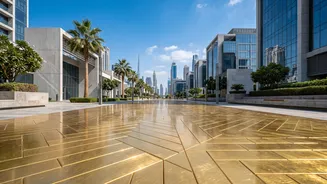
like something from a fable, but reports confirm it's a real plan. The Dubai Gold District has announced it will open the world's first and longest walkway made with 24-carat gold. According to Rashid Al Harmoudi, a senior director at the district, the project is scheduled to open to the public before the end of 2026, possibly within the next two months. The announcement was strategically made alongside another golden achievement: Dubai securing two Guinness World Records for the world's heaviest and largest pair of gold earrings. While specific details about the walkway's exact length, the quantity of gold to be used, and its construction cost have not yet been released, the intention is clear: to create an unparalleled attraction for tourists and residents. Visitors will be able to literally walk along a golden path, an experience designed to be as memorable as it is Instagrammable.
The Strategy Behind the Spectacle
A golden walkway is more than just an opulent feature; it's a calculated move to reinforce Dubai's identity as a global hub for gold and luxury. The project is located in the Dubai Gold District in Deira, a purpose-built destination launched in January 2026 to consolidate the city's massive gold industry. This district already houses over 1,000 retailers dealing in everything from bullion and jewellery to perfumes and cosmetics. By adding a unique attraction like the gold walkway, the district aims to draw a new wave of visitors, blending tourism with high-end commerce. It's part of a wider strategy to make the area a comprehensive destination, which includes plans for the largest gold and jewellery exhibition in the Middle East. The walkway serves as a powerful marketing tool, generating global headlines and reinforcing the 'City of Gold' moniker in the most literal way possible.
A Thriving Hub for Precious Metals
The project is being launched at a time of significant growth for the Dubai Gold District. Since the beginning of 2026, the number of wholesale gold trading offices operating in the district has jumped by 20%. Simultaneously, the number of new retail shops specializing in gold, jewellery, and luxury watches has increased by 15%. This growth indicates strong commercial demand and confidence in the district's future. To accommodate this expansion, additional office and retail spaces are already under development. Officials anticipate that the number of companies relocating to the district will continue to grow by 10% to 20% in the coming year. The gold walkway is therefore not just an isolated gimmick but a strategic investment designed to fuel this economic momentum, attracting both business and leisure visitors to the expanding hub.
Building a City of Endless Ambition
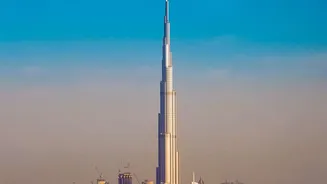
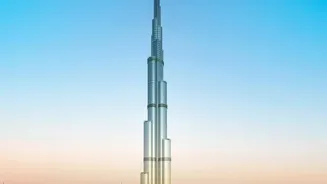
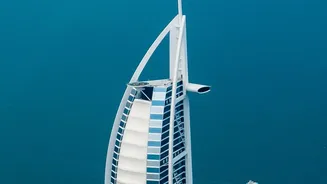
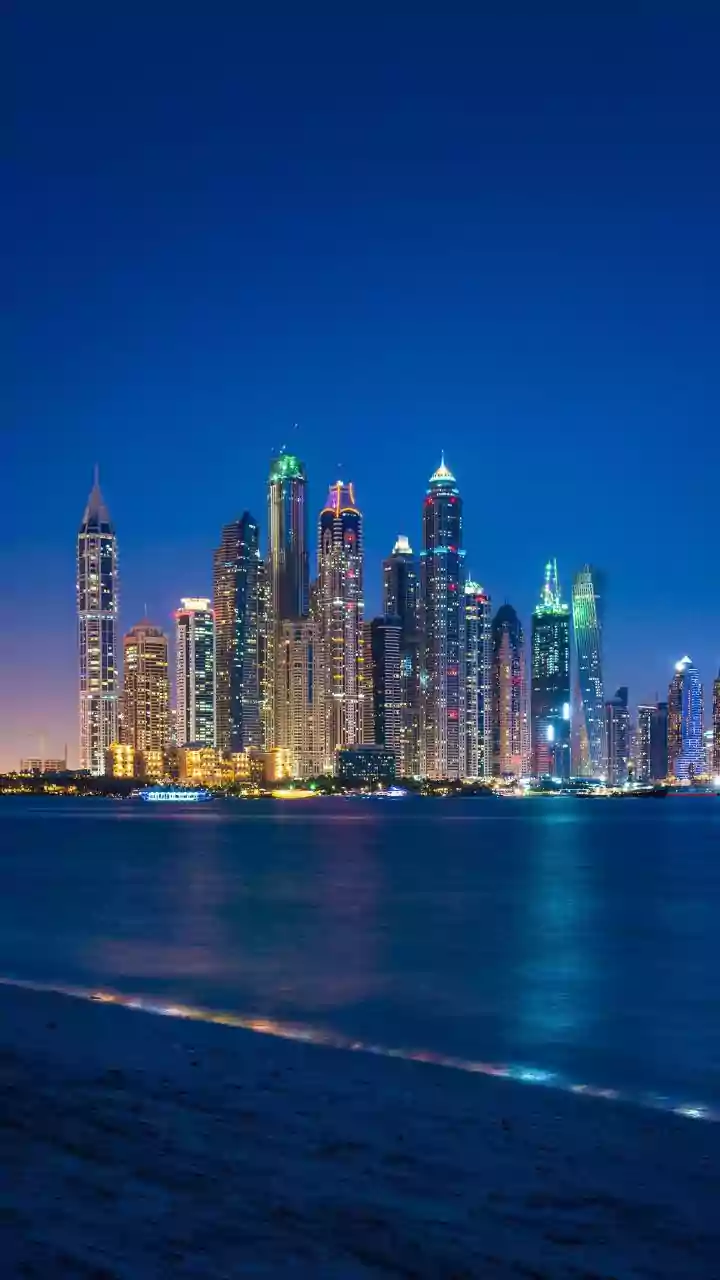
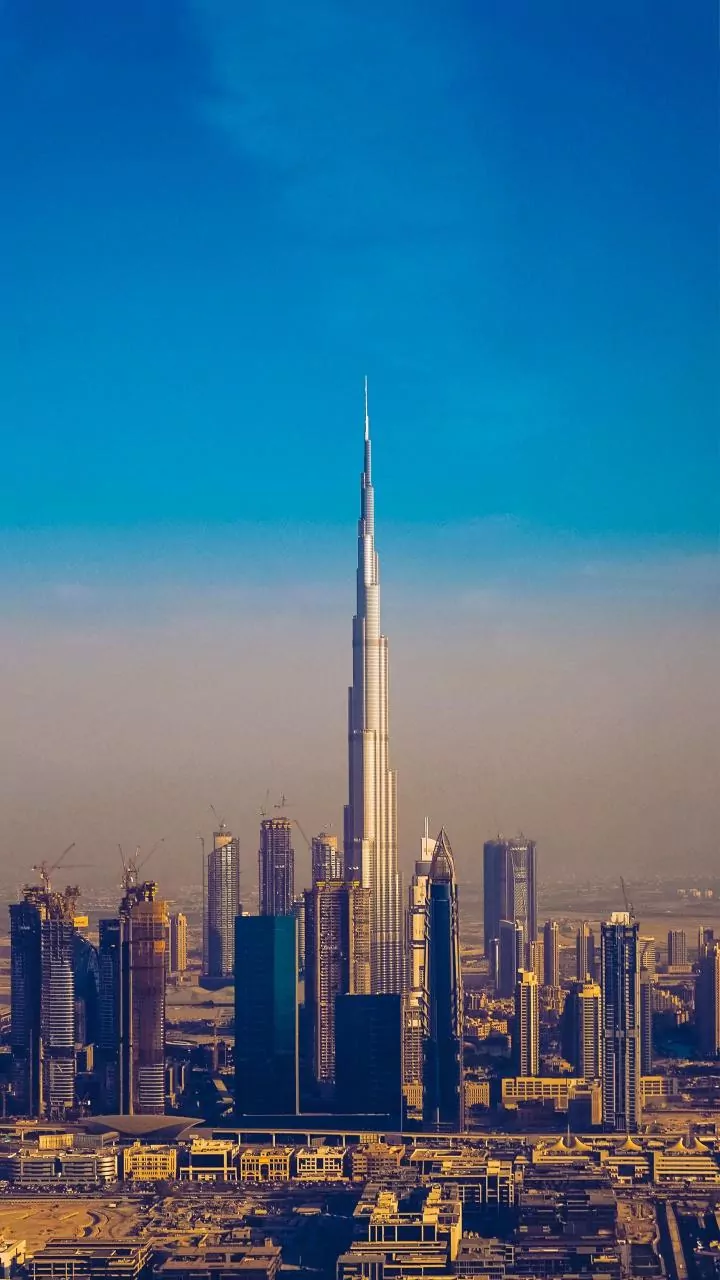
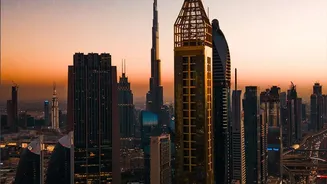
The gold walkway fits perfectly within Dubai's broader philosophy of using spectacular, record-breaking projects to drive its global brand. This is the city that built the world's tallest building (the Burj Khalifa), a massive man-made palm-shaped island (Palm Jumeirah), and is now reviving plans for the even taller Dubai Creek Tower. The emirate's development is guided by ambitious master plans like the Dubai 2040 Urban Master Plan and the Dubai Economic Agenda D33, which together map out trillions of dirhams in investment in infrastructure, transport, and new urban centres. Whether it's the AED 128 billion expansion of Al Maktoum International Airport or the new Dubai Metro Blue Line, the goal is to build a city of the future that continually captures the world's imagination and attracts talent and capital. In this context, a golden walkway is less of a surprise and more of a logical next step.