


Sending Money to Friends and Family
The most common use of UPI for many people is sending money to friends, family, and other individuals. This is known as a person-to-person (P2P) transaction. Under the revised rules, these payments remain completely free. You can send money to another
person’s bank account via UPI without worrying about any new fees, regardless of the amount. Whether it's splitting a dinner bill, sending a gift, or helping out a relative, P2P transfers are unaffected by the new framework.
Paying for Small, Everyday Purchases
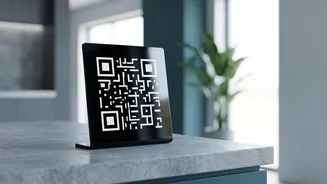
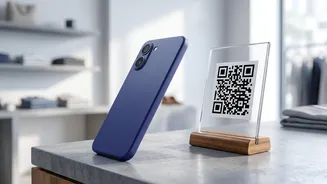
Another area of relief is for your daily chai, groceries, or commute. All payments made to merchants up to a value of ₹2,000 will continue to be free of any charges for the customer. According to the government, over 95% of all merchant payments fall into this category, meaning most of your daily QR code payments at local shops, cafes, and vendors will feel no impact. This ensures that the convenience of UPI for small-ticket items remains intact.
So, What's All the Fuss About?
The new charge, which has caused the confusion, is called the Merchant Discount Rate (MDR). This is not a charge on customers. Instead, it is a fee that certain merchants will pay when they accept a specific type of payment. The new rules, effective from October 15, 2026, state that an MDR of 0.4% will apply to eligible UPI merchant transactions that are over ₹2,000. This fee is intended to help cover the costs of running the digital payments infrastructure, ensuring its long-term sustainability.
The Key Detail: Bank vs. Wallet
The new MDR applies specifically to payments over ₹2,000 made to a merchant from a Prepaid Payment Instrument (PPI), like a digital wallet (e.g., Paytm Wallet, PhonePe Wallet). If you are paying a merchant over ₹2,000 directly from your bank account via UPI, it remains free for you and the merchant is not subject to this specific interchange fee. The charge only comes into play when the payment goes from a wallet, through UPI, to a merchant for a transaction above ₹2,000. It is a backend fee between the payment companies and is not meant to be passed on to the customer.
Payments to Small Merchants
The government and the National Payments Corporation of India (NPCI) have also protected small businesses. Street vendors and small neighbourhood shops that receive up to ₹1 lakh per month via UPI QR codes are exempt from MDR on all transactions, regardless of the amount. This ensures that the smallest businesses, which have been significant beneficiaries of the digital payment revolution, can continue to use UPI without incurring new costs.
Other Exemptions and Special Rates
Even for larger merchant transactions over ₹2,000, there are specific categories with special rules. For instance, payments for essential services like railways, fuel, insurance, and utility bills will have a lower, flat MDR of ₹5 per transaction instead of the 0.4% levy. Furthermore, recurring payments set up via UPI AutoPay also remain free from these new merchant charges, although you still have to pay for the service itself. The maximum MDR on a very large transaction (₹75,000 or more) is capped at ₹300.