



The Return of the Personal Retreat
For years, open-plan living dominated home design, creating a sense of spaciousness and connection. Yet, the cultural shifts of the last few years have highlighted a deep-seated need for privacy and personal downtime. The home is no longer just a place
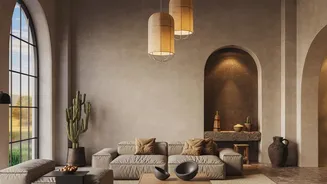
for family gatherings; it is also an office, a school, and a gym. This has sparked a renewed appreciation for rooms that can be closed off, spaces where one can disconnect and decompress. In many Indian households, where multiple generations often live together and personal space can be a luxury, this trend is less about building new rooms and more about cleverly reclaiming existing ones. The concept of a den, a small, cozy room dedicated to quiet and solitude, is finding new life as the perfect antidote to our hyper-connected world. It is a space to indulge in activities that recharge the soul, away from the demands of daily life.
What is a Modern 'Flex' Room?
Forget the old image of a dark, wood-panelled den with a single leather armchair. The 2026 iteration is all about flexibility. Today’s den is a ‘flex room’—a versatile space that can adapt to your changing needs and hobbies. It might be a serene reading nook today and a focused crafting station tomorrow. The key is multifunctional design. This space doesn’t even have to be a full room; it can be a thoughtfully sectioned-off corner of a living room, a converted storage area, or a quiet spot on a landing. The goal is to create a zone that is psychologically separate from the rest of the house, a place designated purely for your personal enjoyment, be it reading, painting, yoga, or simply enjoying a quiet cup of tea.
Creating Your Nook in Any Space
The beauty of the modern den lies in its adaptability, making it achievable even in smaller urban apartments. Strategic use of furniture and design elements can carve out a distinct zone without building walls. Consider using a stylish screen or an open bookshelf as a partition to create visual separation. Multifunctional furniture is your best friend here. A storage ottoman can hide away craft supplies while providing seating, and a console table can double as a small desk. Using a different rug or painting a feature wall can also psychologically demarcate the space, signaling a shift in function and mood. The principle is to “create designated activity areas” to bring order and purpose to even a small corner.
Essentials for a Perfect Hobby Hub
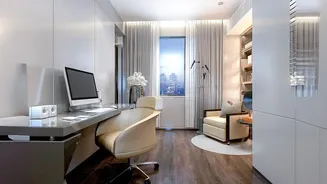
To make your flex room truly functional and inviting, three elements are crucial: seating, lighting, and storage. First, choose seating you can sink into—a comfortable armchair, a plush chaise lounge, or even a window seat with plenty of cushions. Second, prioritise good lighting. Natural light is ideal, so if possible, position your nook near a window. Augment this with layered artificial lighting: a general overhead light, and a focused task light like a floor lamp or an adjustable reading lamp. Finally, smart storage is non-negotiable for keeping the space clutter-free and serene. Think vertically with floor-to-ceiling or floating shelves to maximize space. Hidden storage solutions like benches with built-in compartments or Murphy-style desks that fold away are excellent for maintaining a clean look.
The Ultimate Reading Retreat
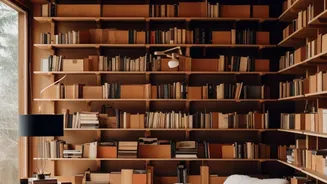
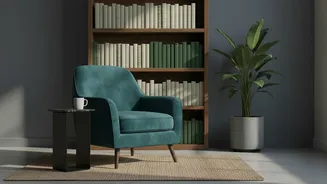
For the avid book lover, a dedicated reading nook is the ultimate luxury. Start with the bookshelves, which can be a grand floor-to-ceiling feature or simple floating shelves for a minimalist feel. Arrange your books in a way that’s both organized and visually pleasing, perhaps mixing vertical stacks with horizontal ones. A comfortable reading chair is a must. Add a small side table for your book and a warm drink. Personalize the space with cozy throws and pillows to make it an inviting escape where you can get lost in stories for hours. The goal is to create a peaceful atmosphere that makes reading a daily ritual rather than a rare treat.