








The Craving is Real, and Science Agrees
That sudden, intense urge for something hot, oily, and savoury as the skies turn grey is not just in your head. It's a complex interplay of biology, psychology, and culture that researchers are beginning to understand. The connection between the gloomy
weather and your desire for comfort food is a powerful one, driven by your brain's chemistry, your body's response to the environment, and deeply ingrained memories.
Your Brain on a Rainy Day
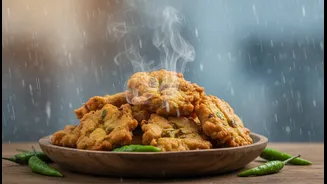
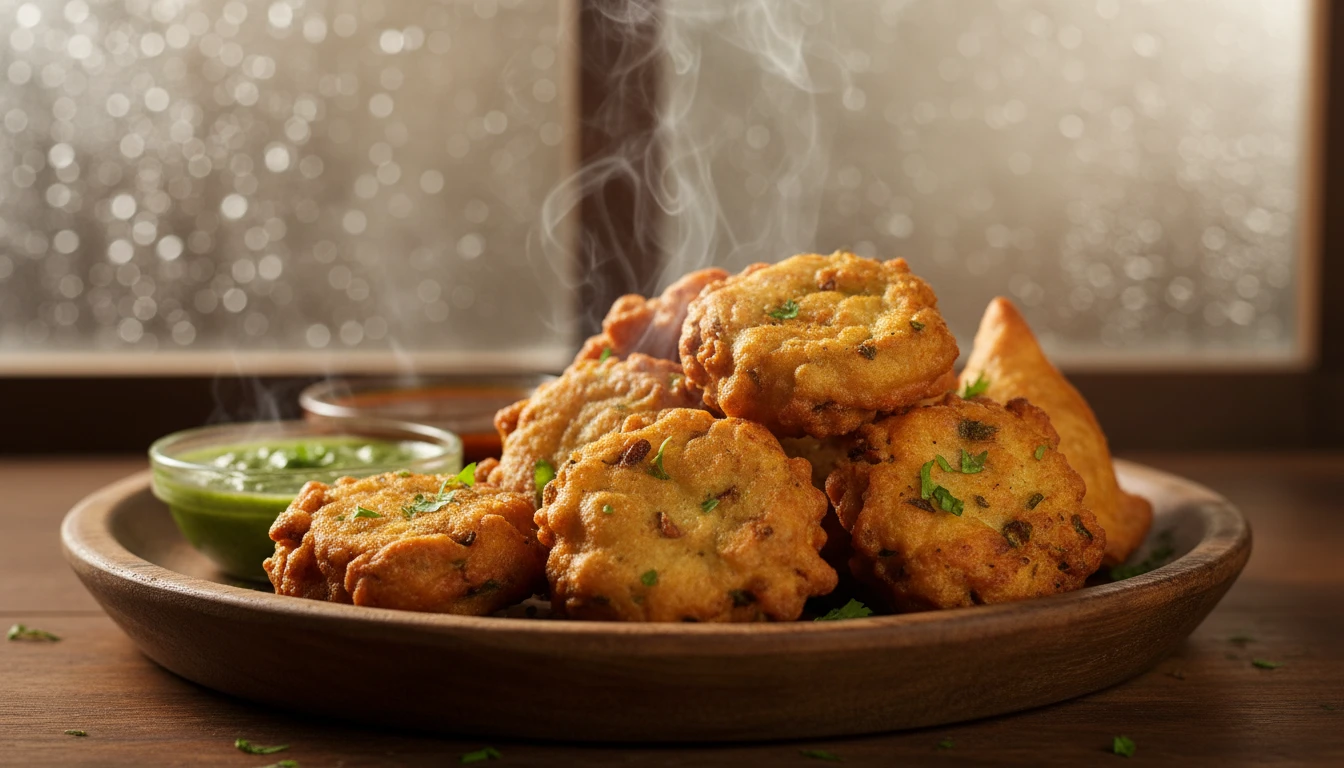
The primary biological driver is a dip in serotonin, the body's 'feel-good' hormone. Serotonin production is linked to sunlight exposure. When the monsoon brings overcast skies and less daylight, serotonin levels can drop, potentially affecting your mood and making you feel a bit low. To counteract this, your brain sends out a powerful signal craving carbohydrates. Many classic monsoon snacks, from samosas to bhajiyas, are rich in carbohydrates, which help the body produce tryptophan, an amino acid that your brain uses to make more serotonin. This provides a temporary mood boost, making you feel happier and more content, even if only for a little while.
A Drop in Temperature, A Rise in Appetite
The monsoon doesn't just bring rain; it brings a noticeable drop in ambient temperature. As it gets cooler, your body naturally seeks warmth. This is a basic thermoregulatory response. Eating hot, calorie-dense foods is one of the quickest ways to generate internal heat and feel cozy. This is why a steaming cup of tea and freshly fried, hot snacks feel so incredibly satisfying. The crunchy texture of fried food also provides a pleasing sensory contrast to the damp, humid conditions outside, adding another layer of comfort.
The Psychology of Comfort and Nostalgia
Beyond the biology, there is a powerful psychological component. For many people in India, the monsoon is intrinsically linked with memories of family, childhood, and togetherness. The scent of the first rain on dry earth, known as petrichor, is a potent trigger for nostalgia. These memories are often interwoven with the food that was shared during those times—a mother frying pakoras in the kitchen, sharing bhutta (roasted corn) with friends, or huddling together with a warm drink. Eating these foods as an adult doesn't just satisfy hunger; it reconnects us to those feelings of safety, love, and comfort.
A Word From Ayurveda
Interestingly, traditional Ayurvedic wisdom offers a different perspective. According to Ayurveda, the monsoon season, or 'Varsha Ritu', is a time when our digestive fire, or 'Agni', is naturally weaker. The increase in humidity is believed to slow down digestion. For this reason, Ayurveda traditionally recommends light, warm, and easily digestible foods like khichdi and soups, and advises against heavy, oily, and fried foods which can overburden the digestive system. This ancient science suggests using digestive spices like ginger, cumin, and black pepper to support a weakened Agni. While this seems to contradict the intense cravings we experience, it highlights the importance of moderation and listening to our body's deeper needs.