




The End of the 'Nose-Pinch' Era
Remember the days when drinking a protein shake felt like a punishment? The cloying sweetness of generic chocolate or vanilla flavours was often the price to pay for fitness. For many Indians, the world of functional nutrition—protein bars, wellness drinks,
and dietary supplements—long felt alien and unappealing. These products were designed for Western palates, ignoring the rich and complex flavour profiles that Indian consumers are accustomed to. This disconnect often meant that maintaining a supplement routine was a daily exercise in tolerance rather than enjoyment. The choice was either to pinch your nose and gulp it down or give up altogether. That era, thankfully, is coming to a close. A flavour revolution is reshaping India's rapidly growing health and wellness market, which is expanding at a significant rate annually.
From 'Dawa' to Delightful
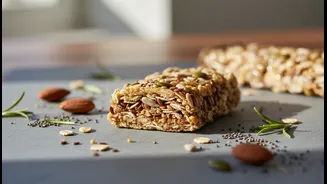
The psychological barrier was a major hurdle. Anything that tasted unpleasant was mentally categorised as 'dawa' or medicine—something to be taken only when necessary, not as a joyful part of a daily routine. This perception is precisely what brands are now working to dismantle. By incorporating familiar tastes, companies are shifting functional foods from a category of chore to one of choice. The goal is to make nutrition seamless and enjoyable. When a protein bar tastes like Masala Chai or a post-workout shake has the essence of Mango Lassi, it no longer feels like a supplement. It feels like a treat. This shift is crucial in a market where consumers are increasingly health-conscious but unwilling to compromise on taste. Brands are meeting consumers where they are, transforming a medicinal experience into a delightful daily ritual.
A Recipe for Market Success
The move toward Indian flavours is not just a culinary choice; it's a sharp business strategy. India's functional foods market is one of the fastest-growing in the world, fueled by rising disposable incomes and a heightened awareness of preventive healthcare. To capture this booming market, brands from agile startups to established players are realising that localisation is key. Rather than expecting Indian consumers to adapt to foreign tastes, they are adapting their products to the Indian palate. This approach builds an instant connection and a sense of familiarity, which drives adoption and loyalty. It demonstrates a deeper understanding of the consumer, acknowledging that for food and wellness products, cultural relevance is just as important as nutritional value. This strategy is proving successful for a new wave of D2C brands that are building their identity around clean labels and local tastes.
What's on the Flavour Menu?
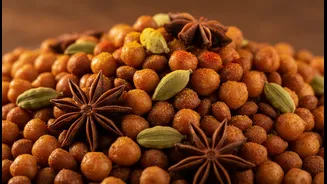
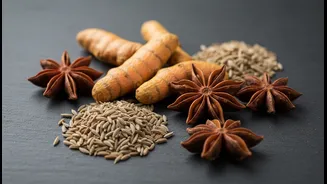
The new menu of functional nutrition is a vibrant celebration of Indian culinary heritage. Forget generic fruit punch; think Jamun or Aam Panna. The classic sweet protein bar is being challenged by savoury 'namkeen' flavours inspired by street food. In protein powders, flavours like Kesar Badam, Malai Kulfi, and Thandai are becoming increasingly popular alongside classics like chocolate and vanilla. These 'desi' flavours are appearing in everything from protein bars and powders to ready-to-drink beverages. This trend also taps into the functional properties of the ingredients themselves. A Turmeric-Ginger flavoured product, for example, not only offers a comforting, spicy taste but also leverages the well-known anti-inflammatory benefits of both ingredients, merging flavour with function in a way that feels both modern and deeply traditional.
More Than Just Good Taste
This trend is about more than just masking the taste of whey protein or pea isolates. It signifies a deeper integration of traditional Indian wisdom with modern nutritional science. Many of the spices and ingredients being used—like turmeric (haldi), ashwagandha, tulsi, and ginger—are celebrated in Ayurveda for their health-giving properties. By incorporating them into functional food formats, brands are creating products that resonate on multiple levels. Consumers get the scientifically backed benefits of a protein supplement combined with the holistic wellness traditions they grew up with. It's a powerful combination that bridges the gap between grandmother's kitchen remedies and the high-tech world of nutraceuticals, creating a product that feels both trustworthy and authentically Indian.