
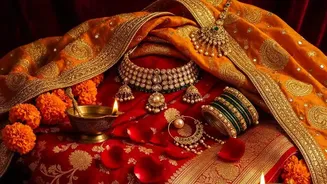
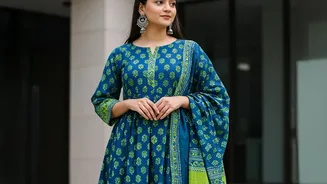
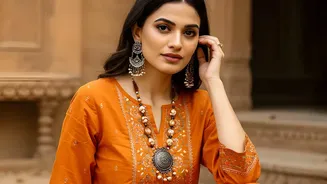
That familiar festive season dilemma: a wardrobe brimming with beautiful traditional wear, yet a feeling that you have nothing 'new' to wear. Before you consider another shopping trip, the solution might already be in your closet.
The Power of One Colour
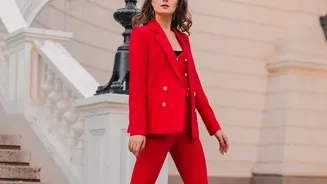
Monochromatic dressing
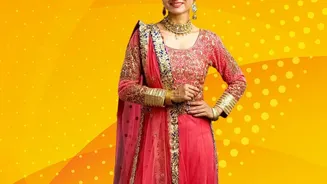
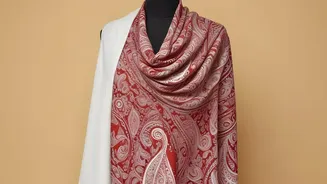
is the art of building an outfit using a single colour. But this doesn't mean wearing the exact same shade from head to toe. The real magic lies in 'tone-on-tone' styling, which involves layering different shades, tints, and textures of the same colour. Think of a wine-coloured kurta paired with a deep maroon palazzo and a ruby-red dupatta. The result is an effortlessly chic look that appears intentional, polished, and sophisticated. It’s a style secret that makes outfits look more expensive and visually streamlined. By eliminating the distraction of multiple competing colours, a monochromatic palette allows the craftsmanship of your garments—be it intricate embroidery or rich fabric—to truly shine.
Why It Works for Indian Wear
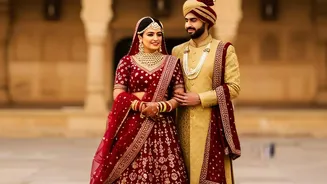
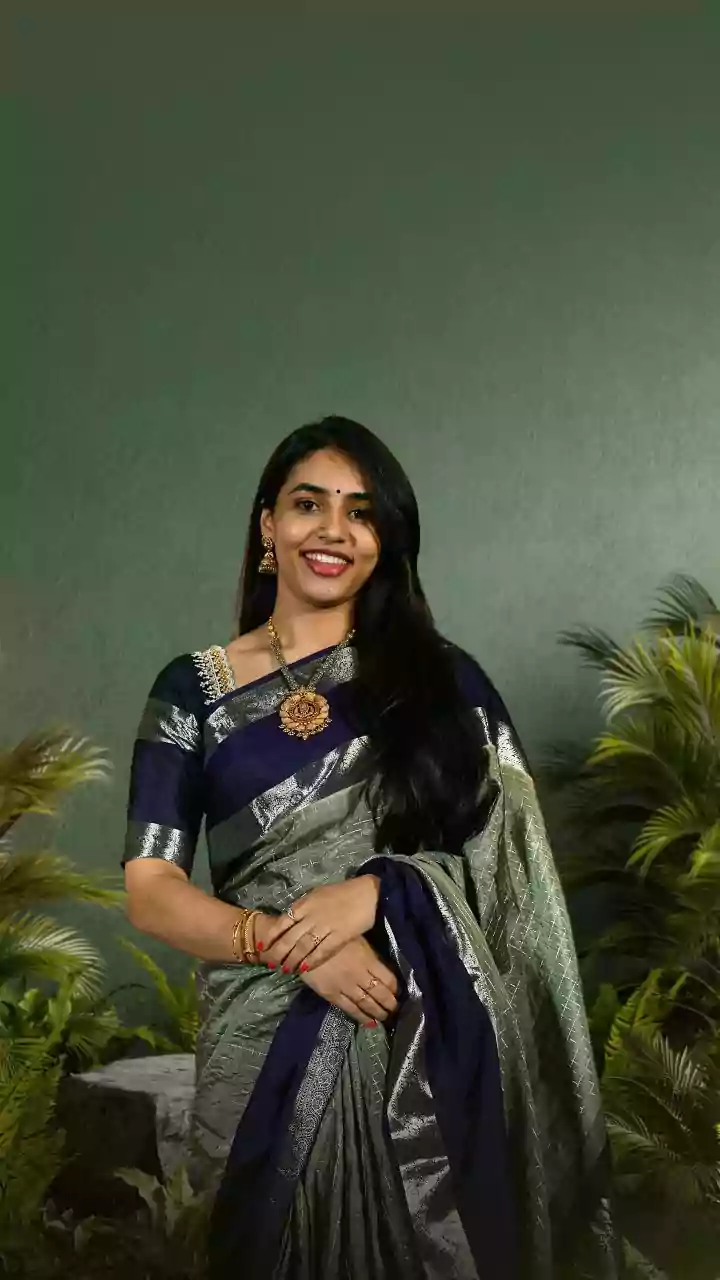
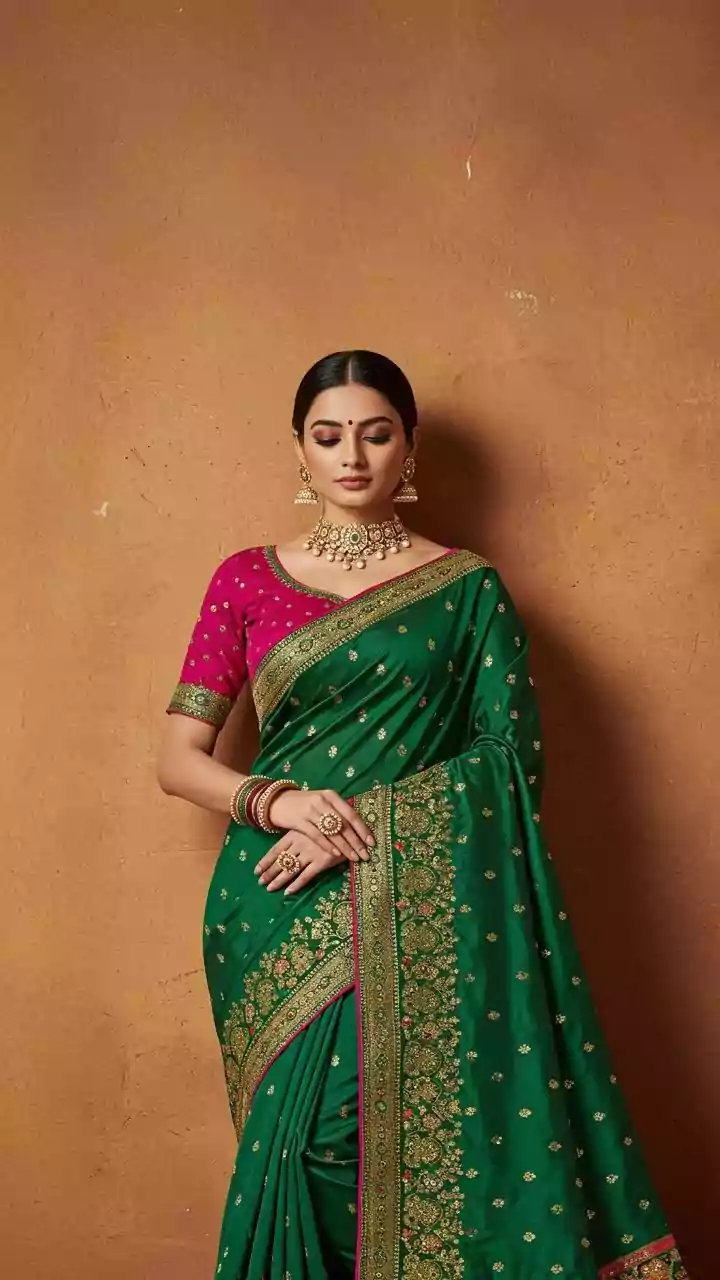
Indian festive attire is often rich with detail. A monochromatic approach provides a modern, clean canvas that makes these details pop. Instead of a riot of colours, the focus shifts to the beautiful textures and silhouettes of your lehengas, sarees, and anarkalis. This technique creates a continuous visual line, which has a flattering, elongating effect on the body. An all-red lehenga or an ivory-on-ivory embroidered saree carries a unique blend of minimalism and luxury, proving that you don't need colour-blocking to make a powerful statement. It's a subtle yet confident approach to festive dressing that feels both timeless and completely current.
Mastering Texture and Fabric
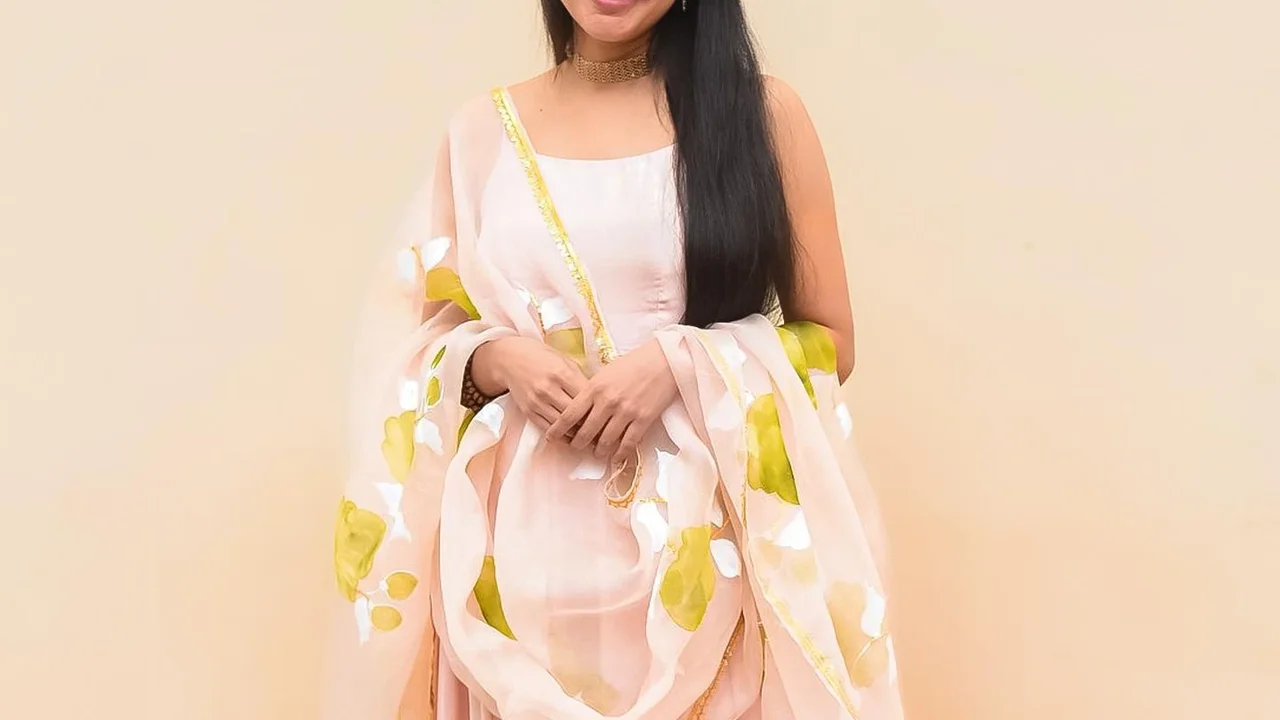
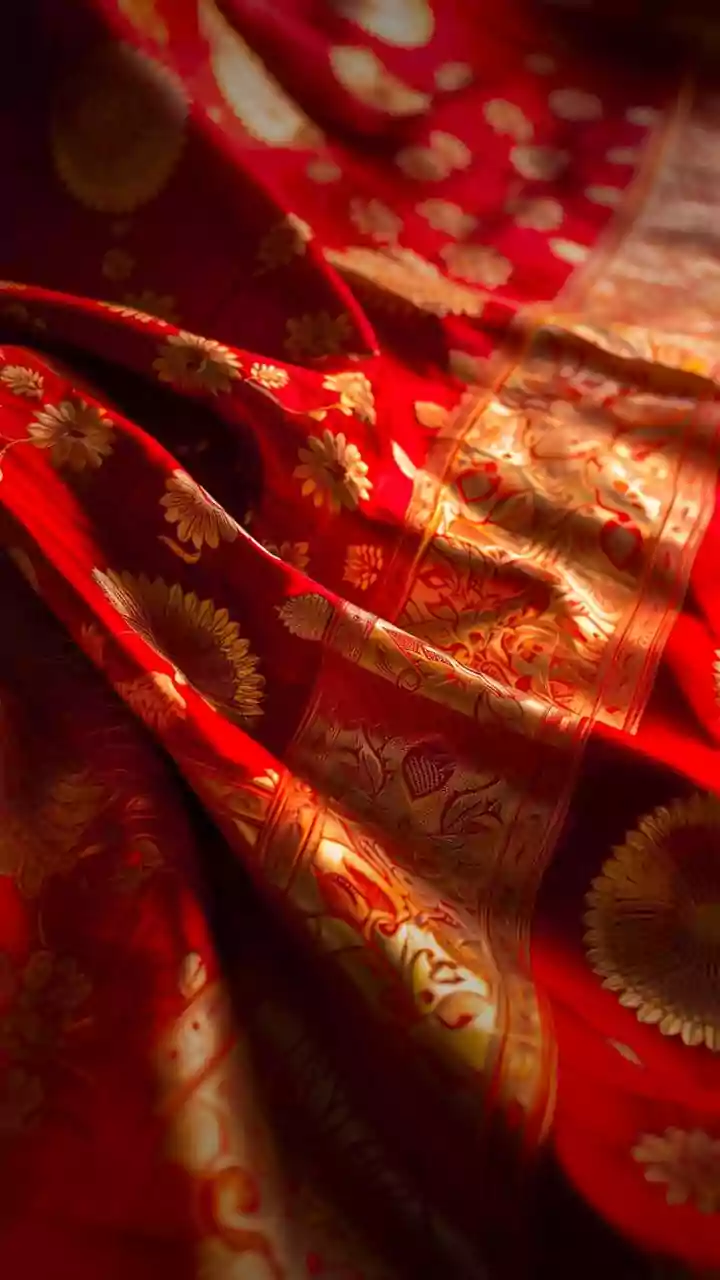
The key to a successful monochromatic outfit, especially with Indian wear, is texture. Mixing different fabrics is what prevents the look from falling flat and adds visual depth. Imagine pairing a velvet blouse with a georgette saree in the same shade of emerald green. Or a matte silk kurta with a sheer organza dupatta in a delicate blush pink. The interplay between shiny and matte, or smooth and embroidered, creates a rich, dynamic look without adding another colour. Don't be afraid to combine brocade with chiffon, or raw silk with net. This textural contrast is what elevates a single-colour outfit from simple to stunning.
The Art of Layering and Separates
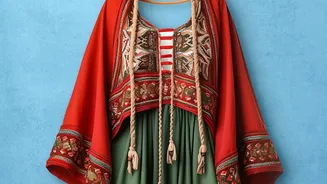
Layering is another powerful tool in monochromatic styling. A longline jacket or waistcoat worn over a kurta-pajama set in a slightly darker or lighter tone can add structure and sophistication. This also offers a great opportunity to get more use out of your existing wardrobe. Don't think of your festive outfits as fixed sets. Separate your kurtas, blouses, skirts, and palazzos. That magenta kurta from one set might perfectly match the tone of a lehenga skirt from another. A deep blue brocade blouse can be paired with a plain navy saree you already own. By mixing and matching pieces within the same colour family, you unlock dozens of new outfit combinations.
Choosing the Right Accessories
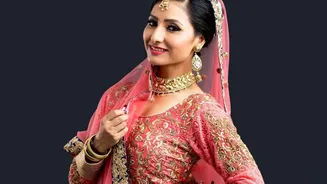
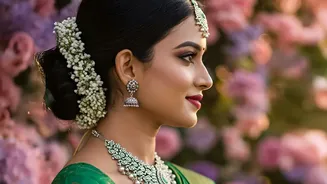
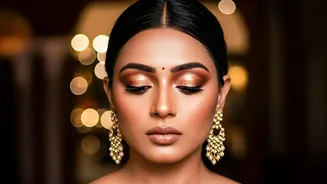
When your outfit is a single colour, your accessories have a bigger role to play. You have two main approaches. The first is to continue the monochromatic theme with accessories in the same shade, which creates a very seamless and elegant effect. The second, more common approach is to use accessories as a subtle accent. Metallic jewellery is a perfect choice here; gold, silver, and rose gold act as neutrals that complement any colour without breaking the monochrome palette. Alternatively, you can use your jewellery to introduce a single point of contrast. Think of a pair of striking emerald earrings against an all-ivory anarkali, or a ruby necklace with a black saree. The key is to keep it intentional and balanced.