



The Burnout Backlash
For years, the short getaway was a frantic race against the clock. It involved squeezing every possible sight, meal, and activity into 48 hours, often leaving travellers more exhausted than when they left. But a cultural shift, accelerated by post-pandemic
reflections on work-life balance and mental health, is changing that. [20, 29] Professionals, in particular, are trading sightseeing sprints for slow, intentional retreats designed to combat chronic stress and digital overload. [9, 20] The modern consensus is clear: the most valuable souvenir you can bring back from a break is a genuine sense of peace. [17] This has given rise to a travel segment focused entirely on rejuvenation, with India emerging as a global leader thanks to its deep-rooted traditions in yoga, Ayurveda, and meditation. [3, 10]
What Exactly Is a Wellness Weekend?
A wellness weekend is a short trip with a specific purpose: to nurture your mind, body, and soul. [2, 21] It moves beyond the occasional spa treatment to offer a holistic experience. [27] This can take many forms, from a silent meditation retreat in a monastery to a physically active weekend of hiking in nature. [4, 25] The core idea is to intentionally disconnect from daily stressors and reconnect with yourself. [18] These getaways are structured to promote mental clarity, emotional balance, and physical rest through guided activities, healthy food, and serene environments. [24, 26] The focus is less on doing and more on being, allowing for a deeper reset than a typical holiday provides. [17]
From Digital Detox to Nature Immersion
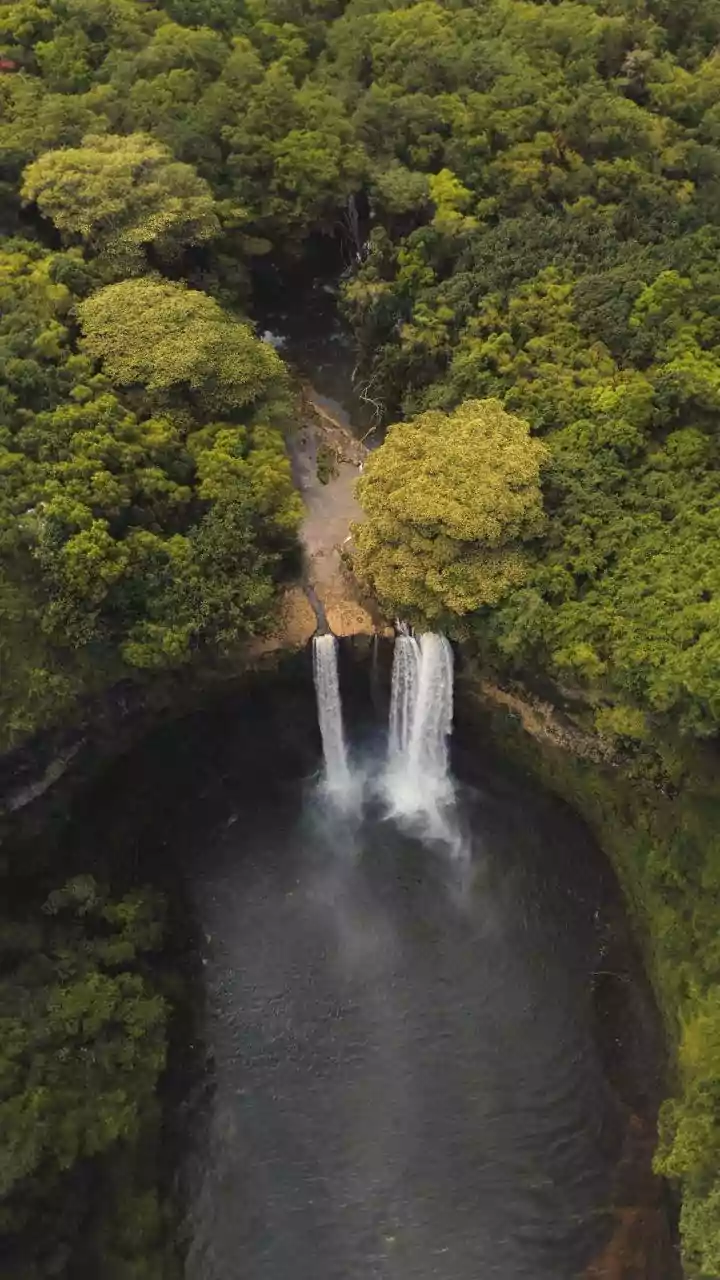
The beauty of the wellness weekend lies in its diversity. For those suffering from screen fatigue, a digital detox retreat—where phones are discouraged or even held at check-in—offers a chance to quiet the mental chatter. [8, 11] These are often set in remote locations where guests can immerse themselves in nature, from the mountains of the Himalayas to the tranquil backwaters of Kerala. [16, 28] Nature immersion itself is a powerful wellness tool. Activities like forest bathing, hiking, or simply being near water have been shown to reduce stress and improve mood. [14, 25] Other popular formats include yoga and meditation retreats, which provide tools for stress management that last long after the weekend is over. [6, 14] In India, this often includes authentic Ayurvedic programs designed for detoxification and rejuvenation. [3]
The Power of the Micro-Retreat
While longer wellness programs of 7 to 21 days are recommended for deep transformation, the reality of modern schedules makes the short retreat incredibly practical and powerful. [5, 10, 22] Even a two-day break can significantly lower stress levels and improve well-being, with some studies showing the positive effects can last for over a month. [7] Think of it as micro-dosing wellness. These brief but focused getaways provide a vital opportunity to reset your nervous system without requiring a long-haul flight or extensive time off work. [17, 24] They serve as a powerful antidote to the chaos of modern life, offering a manageable way to invest in your long-term health and happiness. [20, 22]
How to Plan Your Own Wellness Weekend
Planning a restorative weekend starts with setting an intention. What do you need most? Is it silence, movement, nature, or simply sleep? Choose a destination that supports this goal, even if it's just a quiet spot a short drive from your city. [15, 21] Prioritise what experts call “The Big Three”: sleep, movement, and sun. Allow yourself to wake up without an alarm, spend time outdoors, and move your body in a way that feels good. [17] Embrace the 'Joy of Missing Out' (JOMO) by resisting the urge to fill your schedule. [17] The goal is to do less, but with more presence. Focus on nourishing food, mindful activities, and giving yourself permission to simply be. [21, 26]