






The Monsoon's Secret Invitation
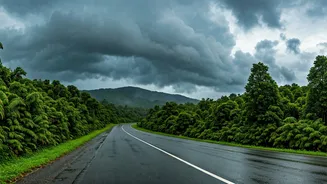
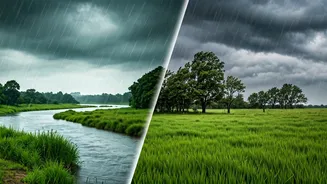
Contrary to the idea that winter is the only season for birding, the monsoon offers its own profound magic. The rains trigger a transformation across the landscape, coaxing lush greenery from dry earth and filling water bodies. This abundance brings an explosion
of life, particularly insects, creating a feast for many resident bird species. For many birds, this is their prime breeding season. The urge to mate and nest makes them more active, more vocal, and often easier to spot as they engage in courtship displays and defend their territories. This is the time to witness bird behaviour in its most dramatic form: from elaborate songs to the intricate craftsmanship of nest-building.
The Stars of the Season
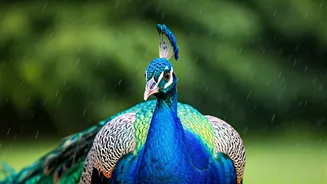
The monsoon brings specific birds into the limelight. The Pied Cuckoo, famously known as the harbinger of the monsoon, is a key sighting for many enthusiasts. Another celebrated species is the Indian Pitta, or 'Navrang' (nine colours), a shy ground-dweller whose vibrant plumage and distinct two-note whistle become more prominent during the rains. The monsoon is also the best time to see the Pheasant-tailed Jacana in its stunning breeding plumage, with its long, elegant tail feathers. Many cuckoo species, paradise flycatchers, and weaver birds also become particularly active, building their remarkable nests and filling the air with their calls.
Prime Spot: The Western Ghats
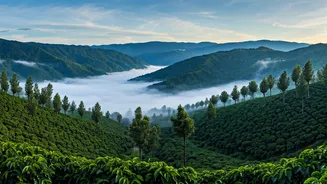
A UNESCO World Heritage Site, the Western Ghats are perhaps the ultimate monsoon birding destination. The mist-laden forests of Kerala and Goa become a haven for a variety of species. In places like Thattekad Bird Sanctuary in Kerala, you can spot the Malabar Trogon, with its glowing crimson belly, and listen for the calls of the Grey-headed Bulbul. Further north, the coastal region of Ratnagiri in Maharashtra offers the unique opportunity to spot up to five different species of kingfishers within a small radius during the rains. The dense shola forests and grasslands of Wayanad also teem with life, attracting both fruit-eating and carnivorous birds.
Heartland Havens: Central and North India
While many central Indian parks close during the peak rains, some buffer zones and specific sanctuaries remain open, offering unique experiences. Satpura Tiger Reserve in Madhya Pradesh allows controlled access, making it possible to see breeding birds like the Paradise Flycatcher and Crested Serpent Eagle. In Rajasthan, the famed Keoladeo National Park in Bharatpur transforms into a lush paradise, attracting numerous resident waterbirds like the Painted Stork and Purple Heron. Near Delhi NCR, wetlands like Basai come alive, offering chances to see shy bitterns and the beautiful Pheasant-tailed Jacana against a backdrop of fresh greenery.
Eastern and Northeastern Wonders
Though peak rains can make access difficult, the fringes of the season in India's northeast offer incredible birding. By late monsoon, places like Eaglenest Wildlife Sanctuary in Arunachal Pradesh become accessible, a destination sought by birders worldwide. The Garbhanga Reserve Forest on the outskirts of Guwahati in Assam is another prime location, especially when other national parks are closed due to flooding. Here, birders can find woodland species in their breeding plumage, providing a fresh tourism opportunity beyond the typical winter migratory season.
Tips for Your Monsoon Birding Trip
Birding in the rain requires some preparation. Protect yourself and your gear with waterproof jackets, pants, and rain covers for binoculars and cameras. The best times are often during light drizzles or just after a heavy downpour when bird activity peaks. Always be mindful of your surroundings; trails can be slippery and leeches are common in forested areas. Most importantly, respect the wildlife. The monsoon is a sensitive breeding period, so avoid disturbing nesting birds, do not use playback calls to attract them, and stick to designated paths to avoid trampling nests.