





First, Check the Weather Alerts
Before booking anything, your first step should be to consult the latest updates from the India Meteorological Department (IMD). As of early August, heavy to extremely heavy rainfall warnings have been issued for several states. Regions in the Northeast,
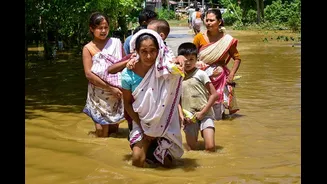
including Assam and Meghalaya, along with Sub-Himalayan West Bengal and Sikkim, are on high alert. Southern states like Kerala and Karnataka are also experiencing heavy showers. These alerts often warn of waterlogging, localised flooding, and transport disruptions, making it critical to know the forecast for your intended destination. Checking the weather 4-5 days before your trip is a crucial safety measure.
Choose Your Destination Wisely
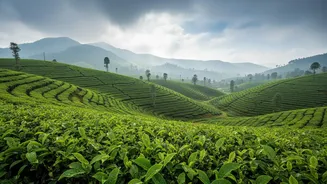
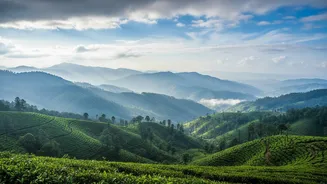
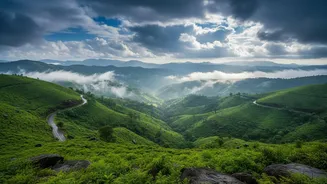
Given the unpredictable weather, destination selection is key. It might be best to avoid areas prone to landslides and flash floods, such as the Himalayan foothills in Uttarakhand and Himachal Pradesh, during peak rainfall. Instead, consider locations that are beautiful and generally safer during the monsoon. Destinations in Rajasthan like Udaipur, which sees less intense rain, can be magical as the lakes fill up. Further south, places like Munnar, Wayanad, and Coorg in the Western Ghats become stunningly green, though you should still verify local conditions. For those looking to escape the rains entirely, high-altitude desert regions like Ladakh and Spiti Valley remain largely dry.
Pack Smart for a Wet Trip
Your packing list needs a monsoon-specific upgrade. Leave the heavy cotton jeans and leather shoes at home, as they take forever to dry. Instead, opt for lightweight, synthetic clothing that dries quickly. Essential items include a reliable raincoat, a sturdy umbrella, and waterproof footwear with a good grip to handle slippery surfaces. It's also wise to protect your electronics and important documents by packing them in waterproof bags or pouches. A power bank is a non-negotiable accessory, as power cuts can be common during heavy rains. Finally, don't forget insect repellent, as the monsoon season sees a rise in mosquitoes.
Prioritise Safety on the Road
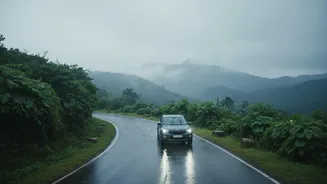
If you are planning a road trip, extra caution is paramount. Wet roads significantly increase braking distance and the risk of skidding, so reducing your speed and maintaining a safe distance from other vehicles is essential. Always use your headlights for better visibility, even in light rain. Before you leave, check your vehicle’s vitals: tires, brakes, and windscreen wipers must be in excellent condition. It's crucial to check for road closures or waterlogged areas along your route and never attempt to drive through flooded streets, as the water can hide deep potholes or cause your vehicle to stall. Building extra time into your journey allows you to drive cautiously without feeling rushed.
Stay Flexible and Healthy
Monsoon travel demands a flexible mindset. Delays and disruptions are common, so avoid packing your schedule too tightly. It’s a good idea to have a mix of indoor and outdoor activities planned. If a downpour ruins your plan to visit a viewpoint, you can pivot to a local museum, café, or cooking class. Health should also be a priority. To avoid water-borne diseases, stick to bottled or filtered water and be cautious with street food. Carrying a basic first-aid kit with essentials for minor cuts, allergies, and stomach ailments is always a good practice. Embracing the occasional need to stay indoors and simply relax is part of the monsoon travel experience.