

The Search for an Authentic Escape
In an era saturated with curated social media feeds and predictable itineraries, younger travellers are actively seeking experiences that feel genuine and transformative. Astrotourism, or travelling for the purpose of stargazing, offers just that. It
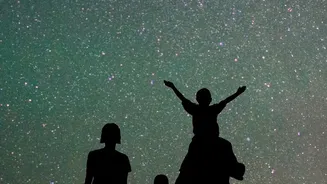
strips travel back to a primal, universal wonder: the night sky. Unlike a crowded tourist spot, a dark-sky location provides a sense of peace and solitude that's become a rare commodity. The experience isn't about ticking off a landmark; it's about connecting with something vast and timeless. This shift reflects a broader demand for 'slow travel', where the goal is emotional restoration rather than a packed schedule. Standing under a canopy of stars is an experience that cannot be fully captured on a screen, making the real-life moment infinitely more valuable.
The Ultimate Digital Detox
The relentless hum of notifications and the pressure to be constantly connected are leading to digital burnout, particularly among millennials and Gen Z. Consequently, the 'digital detox' has become a powerful travel trend. Many high-altitude, dark-sky locations are, by their nature, remote, often with limited or no mobile or internet connectivity. This forced disconnection is no longer seen as an inconvenience but as a key feature of the holiday. It allows travellers to be fully present, engaging with their surroundings and companions without the constant interruption of a screen. This deliberate act of unplugging helps reset unhealthy digital habits and allows for a deeper sense of relaxation and mental clarity.
A Boost for Mental Wellbeing
The wellness benefits of stargazing are significant and scientifically supported. Studies show that observing the night sky can reduce stress, anxiety, and symptoms of depression. The act of looking up at the vastness of the cosmos induces a state of awe, which helps put personal problems into perspective and activates the body's 'rest and digest' nervous system. This meditative practice promotes mindfulness, encouraging a focus on the present moment. The natural darkness also helps reset the body's circadian rhythms and boosts the production of melatonin, the sleep hormone, leading to better rest. In a world of constant overstimulation, the quiet and calm of a starlit night offers a powerful therapeutic effect.
India's Celestial Hotspots
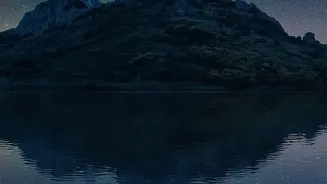
India, with its diverse geography, is emerging as a prime destination for astrotourists. The village of Hanle in Ladakh is home to India's first official Dark Sky Reserve, certified for its pristine skies and high altitude of over 4,500 metres. While Hanle is remote, other accessible parts of Ladakh, like Pangong Lake, offer similarly breathtaking views. Spiti Valley in Himachal Pradesh is another favourite, with remote villages like Kaza and Langza providing exceptionally clear and dark skies. Other notable destinations include the expansive Rann of Kutch in Gujarat, parts of Coorg in Karnataka, and the deserts around Jaisalmer in Rajasthan, all offering a unique escape from urban light pollution.
An Adventure Worth Sharing
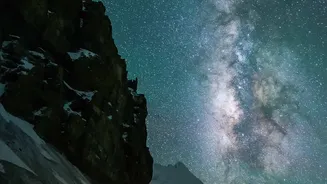
While digital detox is a primary motivator, there's a fascinating paradox at play: the desire to capture and share these unique experiences. The rise of 'SpaceTok' and astrophotography on social media has turned the Milky Way into a desirable travel aesthetic. A stunning photo of a star-filled sky is a powerful form of social currency, signalling a traveller's adventurous spirit and access to exclusive, off-the-grid experiences. For many, a trip to a dark-sky location is a twofold reward: the profound personal experience of disconnecting and the subsequent bragging rights that come from sharing its otherworldly beauty online. This blend of offline experience and online validation makes astrotourism perfectly suited to the modern young traveller.