



The First Line of Defence: The Doormat Duo
Your strategy begins before anyone even steps inside. A two-mat system is your most powerful tool against tracked-in mud and water. Start with a coarse, heavy-duty mat outside. Materials like coir (from coconut husks) or rubber with pins are excellent
for scraping the worst of the mud and debris off shoes. Inside the door, place a highly absorbent mat. Look for materials like microfiber or polypropylene, often sold as 'waterhog' mats, which are designed to soak up excess moisture. This combination ensures that footwear is scrubbed and then dried, trapping the mess at the threshold.
The Umbrella Terminus: A Dedicated Drip Zone
An umbrella leaning against a wall inevitably creates a puddle and a slipping hazard. Give your umbrellas a proper home. A tall, waterproof umbrella stand is the classic solution. You can also get creative with DIY options. A large ceramic vase or planter filled with pebbles provides a stylish and stable holder. For a simpler fix, a deep bucket placed near the door will do the trick. The goal is to contain the drips in one easy-to-clean spot, preventing water from spreading across your floor.
The Shoe Sanctuary: Containing Wet Footwear
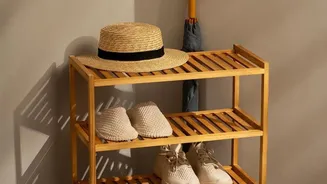
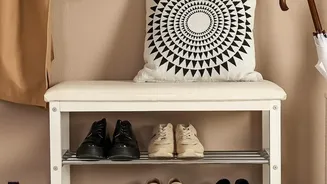
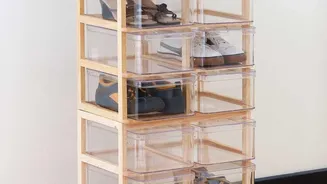
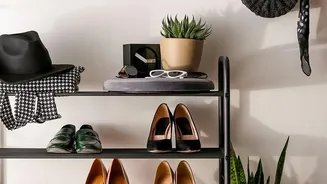
A pile of damp shoes is not just unsightly; it can damage your flooring and lead to musty smells. A waterproof boot tray is an essential investment. These low-profile trays contain water and mud, keeping your floors clean and dry. Place it just inside the door so family and guests can remove their wet shoes immediately upon entering. For better air circulation, which helps shoes dry faster and prevents mould, opt for an open, slatted shoe rack. If you have closed shoe cabinets, keep them slightly ajar or use moisture absorbers like silica gel packets to combat dampness.
The Outerwear Outpost: Hanging Up Wet Coats
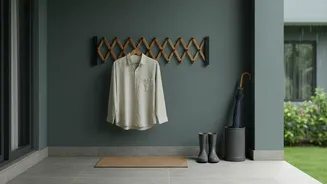
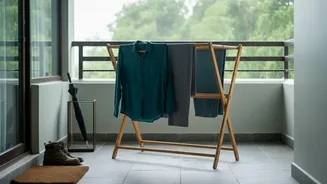
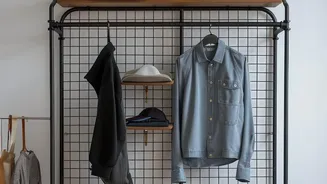
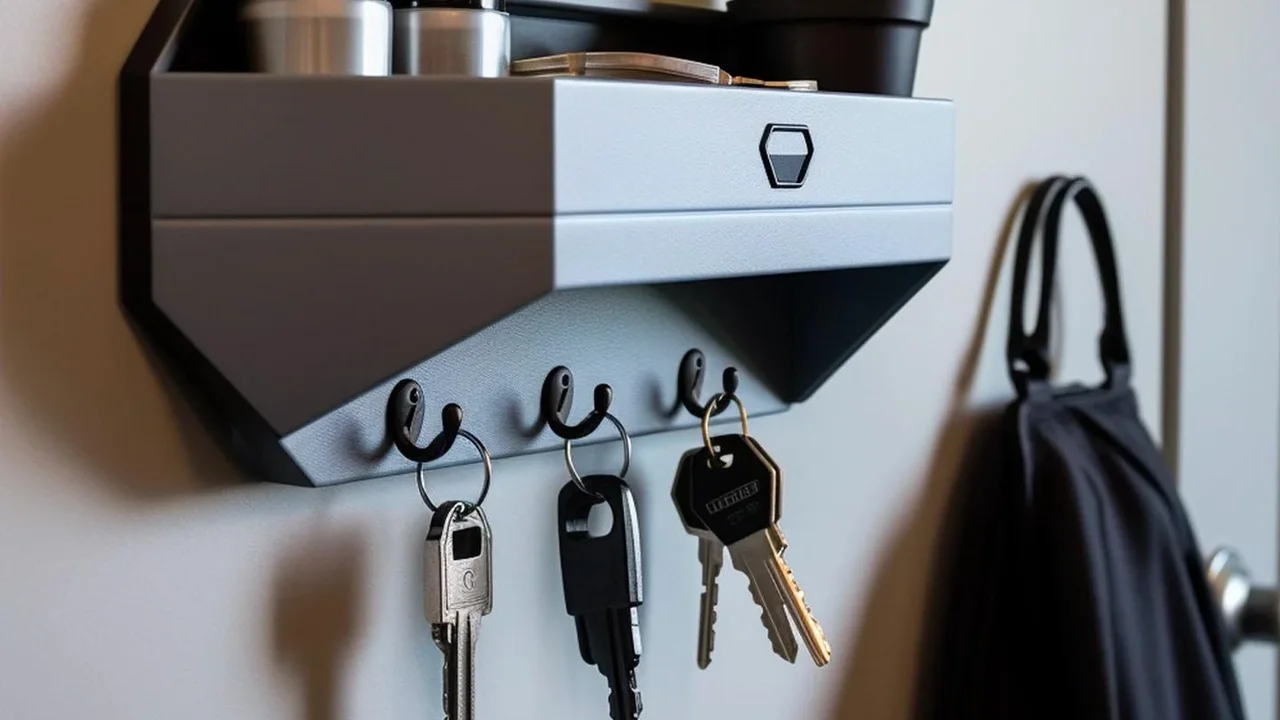
A sodden raincoat or jacket thrown over a chair will never dry properly and leaves furniture damp. Install a dedicated set of hooks on the wall near your entryway. This gives wet outerwear the space and air circulation needed to dry. If you have the space, a freestanding coat rack works well too. For an integrated solution, hang the hooks above your boot tray so any residual water drips directly into the tray, not onto your floor. For smaller items like wet gloves or hats, a small, collapsible laundry drying rack can be a useful, temporary addition.
The Final Touches: Maintaining a Dry Zone
With the main systems in place, a few final touches can make all the difference. Keep a dry, absorbent towel handy near the entrance for guests to pat themselves dry or to quickly wipe up any stray puddles. Consider placing a long, washable runner along the entryway floor during the wettest months for an extra layer of protection. Finally, ensure good ventilation in the area to help everything dry faster and prevent the musty monsoon smell from taking hold. A well-organised entryway is not about having a large space; it is about smart, intentional systems that keep your home clean, safe, and welcoming, no matter the weather outside.