







Why Your Gut Protests in the Rain
The shift from scorching heat to high humidity doesn't just change the weather; it changes how our bodies function. According to both modern science and traditional Ayurveda, the digestive system naturally slows down during the monsoon. [4, 20] The increased
moisture in the air can dampen our 'digestive fire' (or Agni, in Ayurveda), making it harder to process food efficiently. [4] This slowdown can lead to common complaints like bloating, gas, and a general feeling of heaviness. [10, 13] Furthermore, the warm, damp environment is a perfect breeding ground for bacteria and viruses, increasing the risk of water and food contamination, which can lead to infections like gastroenteritis, typhoid, and diarrhoea. [14, 22, 23]
Choose Cooked, Light, and Warm Foods
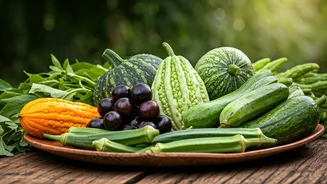
One of the golden rules for monsoon gut health is to prefer warm, freshly cooked meals. [15, 17] Raw foods, especially leafy greens and salads from outside, can carry a higher risk of microbial contamination during this season. [3, 18] Cooking helps kill these harmful germs. [11] Instead of heavy, fried, and oily snacks which are harder to digest, opt for lighter options. [5, 20] Think steamed or boiled vegetables like bottle gourd (lauki) and ridge gourd (tinda), and easy-to-digest meals like khichdi, dal, and warm soups. [11, 16] These foods provide essential nutrients without overburdening your already sluggish digestive system.
Embrace Your Gut's Best Friends: Probiotics
A healthy gut is filled with trillions of good bacteria that help with digestion and immunity. During monsoon, this delicate balance can be disturbed. This is where probiotics come in. Probiotics are beneficial live microorganisms found in fermented foods. Including probiotic-rich foods like curd (dahi) and buttermilk (chaas) in your daily diet can help restore the healthy bacteria in your gut, improving digestion and strengthening your gut's defence against pathogens. [2, 3, 12] A simple bowl of curd or a glass of buttermilk post-lunch can make a significant difference.
Harness the Power of Kitchen Spices
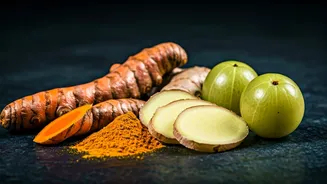
Your kitchen spice box is a treasure trove of digestive aids. Common Indian spices are known for their powerful gut-soothing properties. Ginger is excellent for stimulating digestive enzymes and reducing nausea. [11, 13] Turmeric acts as a natural anti-inflammatory and antiseptic. [7, 17] Cumin (jeera) and fennel (saunf) are fantastic for relieving gas and bloating. [2] Asafoetida (hing) is another traditional remedy for stomach cramps. [9] Incorporating these spices into your daily cooking or sipping on herbal teas made with ginger, tulsi, or mint can provide comfort and support your digestion throughout the season. [9, 17]
Don't Forget Hygiene and Hydration
This might seem obvious, but it's the most critical step. The risk of contracting water-borne diseases is at its peak during the monsoon. [22] Always drink boiled, filtered, or purified water. [2, 6] Avoid drinking water or beverages from outside sources unless you are sure of their purity. [15] Thoroughly wash all fruits and vegetables before consumption, perhaps with a little salt or vinegar in the water. [2] And, of course, wash your hands frequently and thoroughly, especially before eating. These simple hygiene practices are your first line of defence against nasty stomach bugs. [22]