


Brakes: Your First Line of Defence
Mountain driving is demanding on your brakes. Steep descents can cause brake fade if your system isn't in top shape. Before your trip, have a mechanic inspect the brake pads for wear; anything less than 3-4mm of thickness is a risk. Check the brake fluid
level and ensure it's not dark or murky, which could indicate moisture contamination and reduced performance. Also, test your handbrake on an incline to ensure it can hold the vehicle securely. A healthy braking system is critical for controlling your speed on long downhill stretches.
Tyres: Grip is Everything
Your tyres are the only connection between your car and the road. On unpredictable hill roads, which can be riddled with loose gravel, sharp turns, or sudden wet patches, their condition is paramount. Ensure your tyres have adequate tread depth—at least 3mm is recommended for monsoon or wet conditions for good grip. Check the tyre pressure when the tyres are cold, and adjust it according to your vehicle manufacturer's recommendation for the load you're carrying. Don't forget to inspect the spare tyre and ensure it’s properly inflated and ready to go.
Engine and Cooling System: Prevent Overheating
Long, steep ascents put immense strain on the engine, making it prone to overheating. Before you leave, check your engine oil level using the dipstick and look at its colour; if it's too dark, it might be time for a change. More importantly, inspect the coolant level in the reservoir and check all hoses for any signs of leaks or cracks. A well-maintained cooling system is crucial to prevent a breakdown on a remote mountain pass where help might be hours away.
Lights and Wipers: For Unpredictable Weather
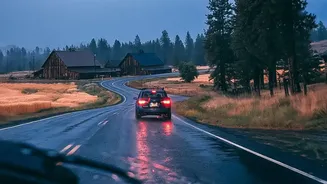
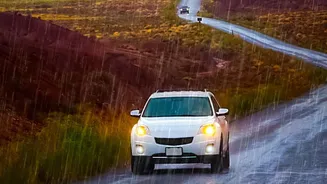
Weather in the hills can change in an instant, from bright sunshine to dense fog or heavy rain. Ensure all your lights are working perfectly: headlights (both low and high beam), tail lights, brake lights, and turn signals. Functioning fog lamps can be a lifesaver in low-visibility conditions. Similarly, check your wiper blades for any cracks or hardness; if they leave streaks, replace them. Top up the windshield washer fluid to help clear away road grime and maintain a clear view.
Battery and Electricals: The Heartbeat of Your Car
Cold mountain weather can be tough on a weak battery. Before your trip, ensure the battery terminals are clean, free of corrosion, and tightly secured. If your battery is more than three or four years old, it's wise to have it professionally tested to ensure it holds a proper charge. A dead battery in a remote area with no mobile network is a situation best avoided. Also, check that all your car's electrical components, including the horn and all dashboard indicator lights, are functioning correctly.
The Essential Toolkit: Prepare for the Unexpected
While a standard toolkit with a jack and wrench is a given, a hill trip requires a more comprehensive emergency kit. Be sure to pack a tyre inflator, a puncture repair kit, jumper cables, and a reliable torch. A tow rope can also be invaluable. Beyond tools, your kit should include a well-stocked first-aid kit, extra drinking water, non-perishable snacks, and a power bank for your phone. Having these essentials provides peace of mind and prepares you for minor roadside emergencies.
Documents and Spares: Keep Them Accessible
Ensure all your vehicle documents—Registration Certificate (RC), insurance papers, and a valid Pollution Under Control (PUC) certificate—are in order and easily accessible. It's also a good idea to carry a spare car key and keep it separate from the main set. For minor repairs, consider carrying spare fuses, a fan belt, and extra headlight bulbs, especially if you're travelling to extremely remote areas like Ladakh or Spiti.