






Assemble Your Monsoon Commute Kit
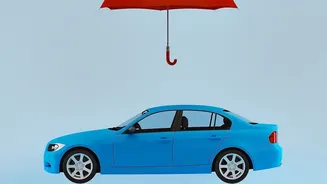
The first step to a stress-free journey is having the right essentials on hand. Think of it as your personal monsoon survival kit. Always carry a sturdy umbrella and a lightweight raincoat. A waterproof backpack or a rain cover for your regular bag is crucial
to protect laptops, documents, and other electronics. Add a zip-lock pouch for your phone and wallet for an extra layer of security. A fully charged power bank is non-negotiable, as long travel times and traffic jams can drain your phone's battery. Finally, pack a small microfibre towel, a bottle of water, and some non-perishable snacks like granola bars in case you're stuck for longer than expected.
Prepare Your Vehicle for Wet Roads
If you commute by car or two-wheeler, a pre-monsoon check-up is vital. Your tyres are the single most important point of contact with slippery roads. Ensure they have adequate tread depth—at least 2mm—to provide good grip and reduce stopping distances. Check your brakes, as their performance can be compromised on wet surfaces. Test all your lights: headlights, tail-lights, and indicators are essential for visibility in heavy downpours. One of the most overlooked but critical steps is replacing worn-out wiper blades. If they leave streaks or make noise, get new ones before the rain starts, not during a storm. Also, ensure your car's drainage channels are clear of leaves and debris to prevent water from seeping into the cabin.
Mastering the Art of Driving in Rain
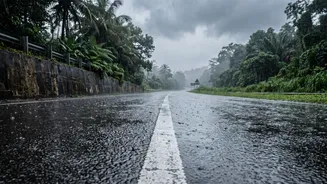
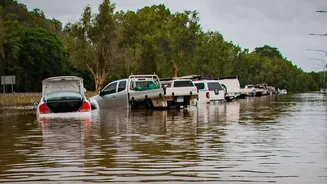
Driving techniques need to adapt to the weather. The most important rule is to slow down. Wet roads significantly increase braking distance, so maintain a greater distance from the vehicle in front of you. Avoid sudden braking or acceleration, as it can cause your vehicle to skid. One common mistake is driving with hazard lights on; they are meant for stationary vehicles and can confuse other drivers. Instead, use your low-beam headlights for visibility. If you encounter a waterlogged street, the safest option is to find an alternative route. If you must proceed, assess the depth by watching other vehicles and drive slowly and steadily in a low gear to prevent your engine from stalling. Never try to restart a car that has stalled in water, as this can cause severe engine damage.
Leverage Technology for a Smarter Commute
Your smartphone can be your best ally during monsoon travel. Before leaving, check weather forecasting apps like the official IMD 'MAUSAM' app or other reliable services like Skymet or AccuWeather for real-time rain updates. For traffic, use navigation apps like Google Maps or Waze, which provide real-time data on road congestion and waterlogging. Many city traffic police departments also post live updates on social media platforms, offering information on closures and alternative routes. For those using public transport in cities like Mumbai, apps like m-Indicator provide live train status, delays, and even crowd-sourced updates from fellow commuters. Having this information allows you to make informed decisions, like leaving earlier or choosing a different mode of transport altogether.
Health and Safety on the Go
Staying safe during a rainy commute goes beyond just driving carefully. Avoid walking through flooded water, as it can hide open manholes, potholes, and debris. Contaminated water can also lead to various infections, so it's important to keep your feet as dry as possible. Choose footwear with good grip to avoid slipping on wet pavements. If you get drenched, change out of wet clothes as soon as possible to avoid catching a cold or developing fungal infections. Carry a hand sanitiser and use it regularly, especially if you're using public transport. Finally, during a long and frustrating commute, try to remain patient. A calm mind makes better decisions, ensuring you reach your destination safely.