

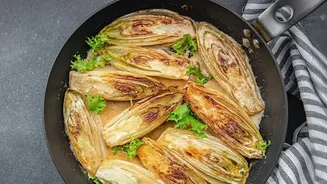

The Frustrating Reality Gap
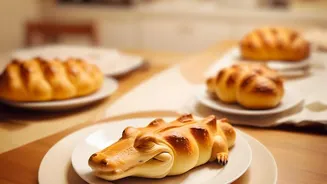
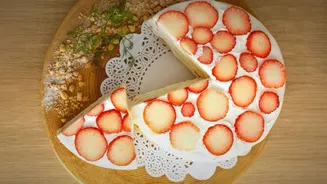
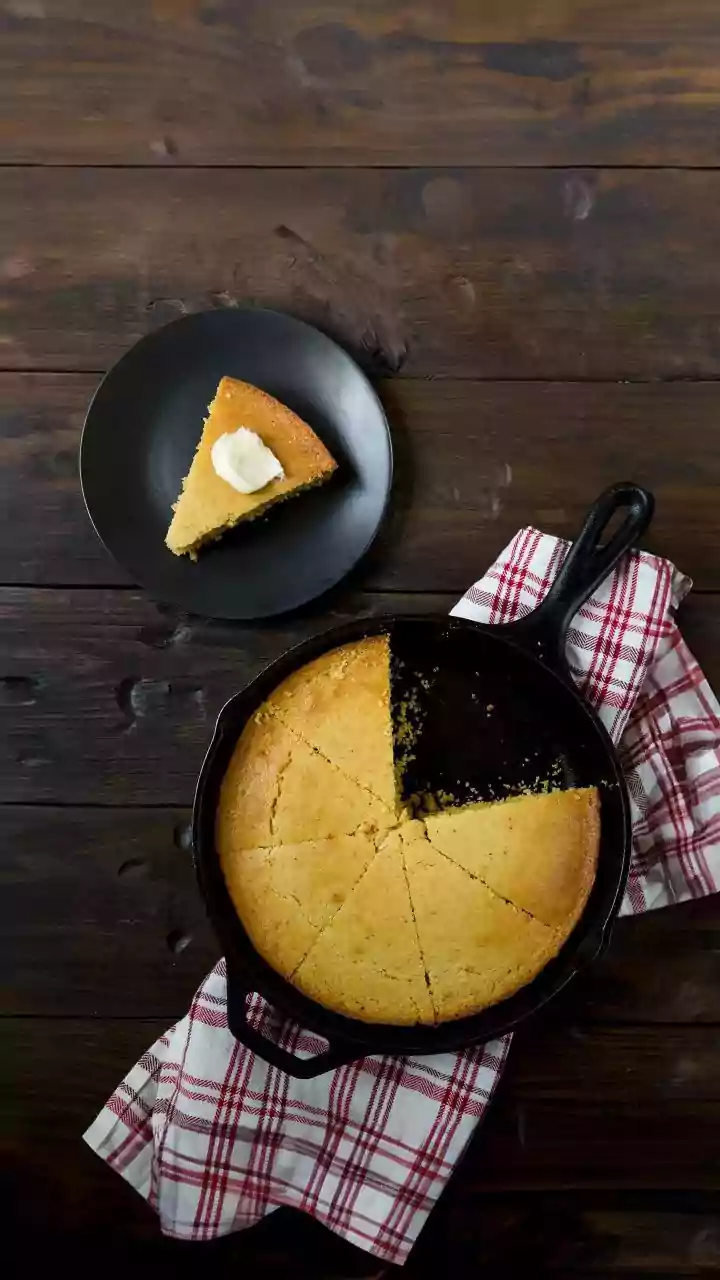
You found the perfect recipe. It has a stunning photo, a clear ingredient list, and steps that seem simple enough. You measure, chop, and mix with precision. Yet, the final dish is a pale, sad version of the picture. This gap between expectation and reality
is a common kitchen tragedy. The cause is often a simple omission: the recipe told you what to do, but it never told you what to look for. Without a description of the finished product, you’re flying blind, relying only on a timer and a prayer. A recipe is a roadmap, but if you don’t know what the destination is supposed to look like, it's easy to get lost.
Why 'Cook Until Done' Fails Us
Vague instructions are the enemy of the home cook. Phrases like “bake until golden brown,” “simmer until thickened,” or simply “cook until done” are hopelessly subjective. Whose version of golden brown are we talking about? A pale honey colour or a deep, burnished bronze? How thick is “thickened”—like a light soup or a heavy gravy? These instructions create guesswork, and guesswork leads to inconsistent results. Ovens have hot spots, ingredient temperatures vary, and even the humidity in your kitchen can affect cooking times. What a cook truly needs are sensory cues. These are the details that transcend the variables and empower you to make decisions based on what you can see, smell, and touch.
The Power of A Good Description
Now, imagine a different kind of recipe. Instead of just “bake for 20 minutes,” it says, “Bake for 20-25 minutes, until the edges are crisp and deep golden-brown, the center is set but still has a slight wobble, and the top appears glossy.” This is a game-changer. Suddenly, you have a clear target. You’re not just waiting for a timer; you’re actively observing, looking for specific visual and textural milestones. Words like “jammy,” “pillowy,” “crisp-edged,” and “translucent” are not just flowery language; they are precise, functional instructions. They transform the recipe from a rigid set of rules into a guided experience, allowing the cook to understand the author's intent.
It’s Not Just for Beginners
Some might argue that experienced cooks don’t need this level of detail. But that misses the point. Even a seasoned chef benefits from understanding the specific target for a new recipe. Is this particular brownie meant to be fudgy and dense or light and cakey? Is the sauce supposed to lightly coat the pasta or cling to it heavily? Clear descriptions ensure consistency and help every cook, regardless of skill level, faithfully recreate the dish as it was intended. It’s about clear communication, not hand-holding. A well-written recipe builds trust and makes the cook feel capable and set up for success.
A Call for a New Recipe Standard
To all the recipe writers, food bloggers, and cookbook authors: your work isn't finished when you list the final step. The most crucial part can be a short paragraph describing the finished dish. Tell us what it should look, feel, and even smell like. Explain that the stew’s flavour deepens after it sits, that the cookies will be soft when they come out of the oven but will firm up as they cool, or that the sauce should be glossy enough to reflect light. These details are the final polish that turns a good recipe into a great, reliable one. Providing a picture of the end result is a great start, but coupling that visual with descriptive language is what truly closes the gap.