






The New Price of Your Dream Trip
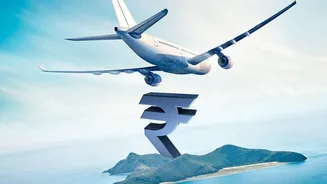
A falling rupee has a direct and immediate impact on your travel costs. Every component of an international trip that is priced in dollars or another strong currency—from airfares and hotel rooms to that cup of coffee in a Parisian café—now costs more
in rupees. Reports suggest that a slide to the ₹95 level can inflate your total trip cost by 10% to 20%. For example, a trip to the US budgeted at ₹4,00,000 when the dollar was at ₹85 would now cost between ₹4,40,000 and ₹4,80,000. For a family trip costing ₹8,00,000, that’s an additional spend of up to ₹1,60,000 for the exact same holiday. This currency pressure is forcing many Indian travellers to rethink their plans entirely.
Where the Pinch is Felt Most
The price hike isn’t uniform; it hits certain parts of your budget harder. Dollar-denominated expenses are the most obvious casualty. A hotel room in New York priced at $200 a night now costs ₹19,000 instead of ₹17,000. Daily expenses for food, local transport, and sightseeing, which can easily amount to $150 per day for a mid-range traveller, will also feel significantly heavier on the pocket. Even airfares, though often paid in rupees, have components priced in dollars, which means airlines often pass on the higher cost. The impact is most pronounced for long-haul destinations like the United States and Europe, where the currency difference is stark. This has led to a noticeable shift in travel behaviour, with many Indians now considering destinations closer to home.
Shifting Horizons: The Rise of Value Destinations
Instead of cancelling plans, savvy travellers are adjusting their destinations. There is a clear trend towards exploring countries where the rupee holds more value or where the overall cost of travel is lower. Destinations in Southeast Asia, such as Vietnam and Thailand, are seeing a surge in interest. These countries offer rich cultural experiences, beautiful landscapes, and excellent food at a fraction of the cost of a European or American holiday. Other travellers are shortening their trip durations, opting for a five-day international getaway instead of a two-week-long tour, or choosing to explore the diverse landscapes within India itself.
Master Your Money: Smarter Currency Strategy
How you manage your foreign currency can make a huge difference. The biggest mistake is exchanging money at airport counters, which are known for their high markups and poor rates. The smartest move is to plan ahead. A week or two before your trip, compare rates on online forex platforms and lock in a good deal with an authorised dealer. The most recommended strategy is to carry a mix of payment options. Load about 70% of your budget onto a multi-currency forex card. These cards allow you to lock in an exchange rate before you travel and typically have lower transaction fees than debit or credit cards. Carry a small amount of cash in the local currency for immediate expenses like taxis and tips, and keep a credit card for emergencies.
The 'Pay in Local Currency' Rule
When you use your card abroad, you will often be presented with a choice: pay in Indian Rupees (INR) or the local currency (USD, EUR, etc.). Always choose the local currency. Opting to pay in INR might seem convenient, but it activates a process called Dynamic Currency Conversion (DCC). This service comes with an unfavourable exchange rate and hidden fees set by the merchant's bank, not by your bank. Consistently choosing to pay in the local currency is a simple trick that can save you a significant amount over the course of your trip by ensuring you get a more competitive exchange rate from your own card provider.
Adjusting Your On-Ground Spends
A tighter budget doesn't have to mean less fun. It just requires more conscious spending. Instead of relying on expensive taxis or ride-sharing apps, explore the city using its public transportation system. For meals, mix high-end restaurant experiences with visits to local markets or casual eateries where you can enjoy authentic food for less. Many museums and attractions offer free admission days or discounted evening hours. Look for city passes that bundle multiple attractions at a reduced price. By being mindful of these small daily costs, you can stretch your budget further without compromising on the quality of your travel experience.