

The National Push for Nutrition
India has intensified its efforts to combat malnutrition through comprehensive programmes like Poshan Abhiyaan 2.0. This integrated nutrition support initiative aims to improve the health of children, adolescent girls, and women across the country. A key
focus of recent campaigns, such as the annual 'Poshan Maah', is to spread awareness about dietary diversity and the importance of protein-rich foods in daily meals. The goal is to move beyond just filling stomachs and focus on providing the holistic nourishment required for healthy development, turning the mission into a widespread community movement or 'Jan Andolan'.
Protein: The Body's Master Builder
So why is there such a strong emphasis on protein? Think of it as the master building block for a growing body. This essential macronutrient is critical for creating and repairing tissues, from muscles and skin to bones. It’s also fundamental for a strong immune system, as the antibodies that fight off infections are made from protein. Furthermore, protein plays a vital role in cognitive development, providing the amino acids necessary for brain function, concentration, and learning. Without enough of it, children can experience fatigue, poor focus, and slower growth.
How Much Protein Do Children Need?
Knowing that protein is important is one thing; knowing how much to provide is another. According to guidelines from the Indian Council of Medical Research (ICMR), the requirements change as a child grows. A simple breakdown is as follows: Toddlers (1–3 years): about 13 grams per day. Preschoolers (4–6 years): about 16-19 grams per day. School-age (7–9 years): about 23 grams per day. Pre-teens (10–12 years): about 32-34 grams per day. These numbers can seem abstract, but many Indian diets, which are often rich in carbohydrates like rice and roti, can fall short. Some experts suggest a simple formula for growing children: aim for about 1 gram of protein for every kilogram of your child's body weight each day.
Affordable Protein Powerhouses
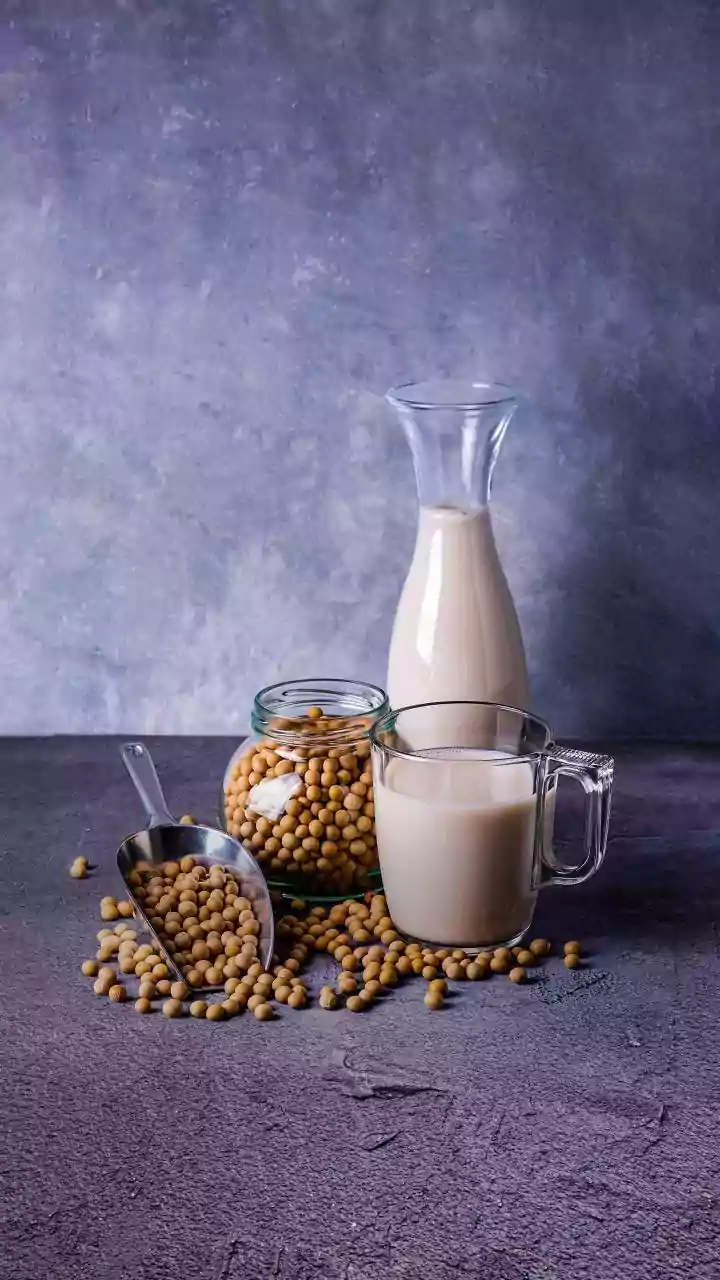
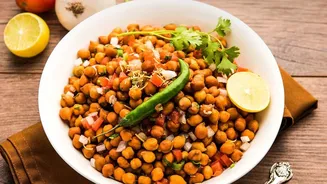
Meeting these daily targets doesn't require expensive supplements or imported foods. The Indian kitchen is already full of affordable, protein-rich options. For vegetarian families, dals (lentils), chickpeas (chana), kidney beans (rajma), paneer, curd (yoghurt), and milk are excellent sources. Soya chunks are a particularly potent and budget-friendly choice, packing a significant protein punch. For non-vegetarian diets, eggs are considered a gold standard for high-quality protein, while chicken and fish are also fantastic options. The key is to ensure one of these sources is part of every main meal.
Smart Swaps and Simple Combinations
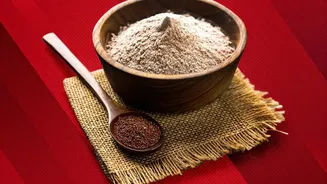
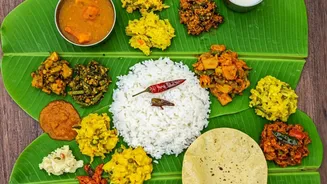
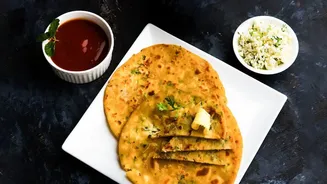
The secret to boosting protein intake is often in small, consistent changes. Many traditional Indian meal pairings are naturally designed to create a complete protein profile. The classic combination of dal and rice, for example, is more nutritionally powerful than just rice alone because it provides a wider range of essential amino acids. Simple swaps can make a big difference. Add a handful of paneer cubes to a vegetable sabzi, serve a side of curd with parathas, or offer roasted chana or a handful of peanuts as an evening snack instead of packaged biscuits. Even enriching your regular roti with protein atta can elevate its nutritional value without changing daily habits.