





A Monumental Night for Punjabi Music
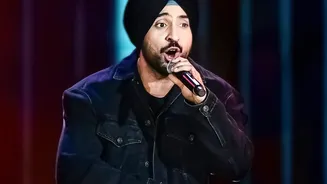
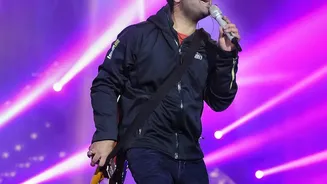
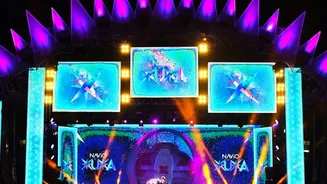
On September 12, 2026, Diljit Dosanjh achieved what was once unthinkable, becoming the first Punjabi artist to headline London's iconic 90,000-capacity Wembley Stadium. The sold-out show, part of his 'AURA' World Tour, wasn't just a personal milestone
but a watershed moment for South Asian representation on the global stage. As he greeted the roaring crowd with his signature declaration, "Punjabi Aa Gaye Wembley Oye!", the message was clear: this was a celebration of cultural arrival. For many in the British Punjabi community and beyond, seeing an artist perform unapologetically in their native language at a venue that has hosted legends like Queen and Michael Jackson was a powerful statement of recognition and pride.
The Fusion of Tradition and Modernity
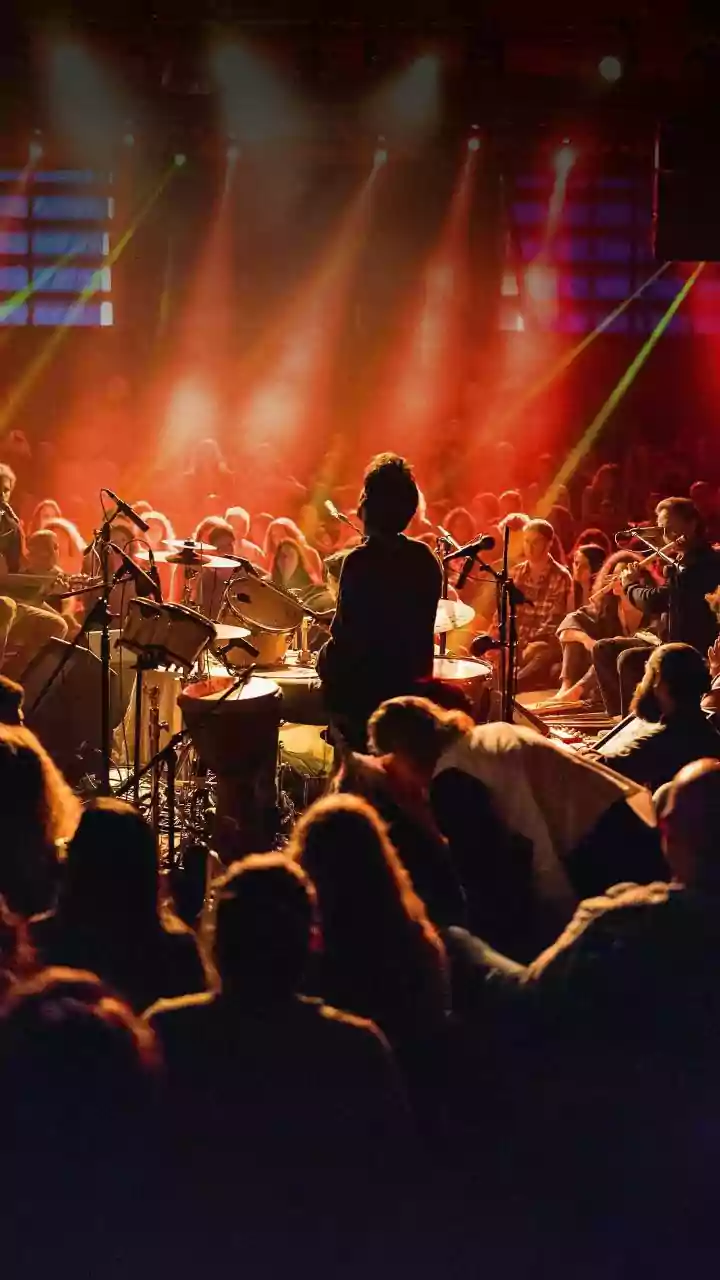
The true genius of the night lay in its sound. The headline hints at a unique blend, and the performance delivered exactly that. While specific details on the live band are sparse in reviews, the concert's sonic texture was rich with this fusion. The unmistakable thump of Bhangra beats, a cornerstone of Punjabi folk music, echoed through the stadium, providing a familiar, grounding rhythm for hits like 'G.O.A.T.' and 'Lover'. But this was not merely a traditional performance. Dosanjh is known for bridging folk roots with a modern, global sensibility. The evening's set seamlessly wove together the raw energy of Punjabi music with elements of hip-hop and pop, a formula that has defined his chart-topping albums. The inclusion of a cover of Nusrat Fateh Ali Khan's 'Saanso ki mala' further deepened the connection to a shared South Asian heritage, showcasing a classic sound beloved across generations and borders.
More Than Just Music: A Cultural Statement
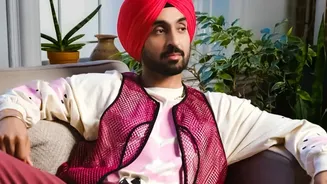
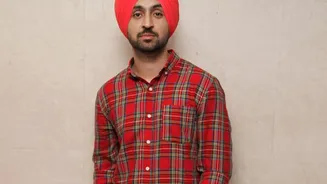
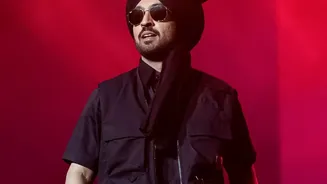
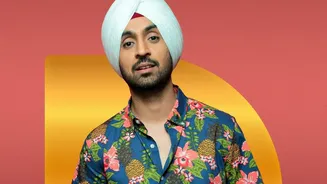
Dosanjh has cultivated an image that is inseparable from his Punjabi identity, and the Wembley show was its grandest expression. He performed in traditional attire, a visual symbol of the culture his music champions. The event became a full-fledged cultural celebration, with organisers offering complimentary turban-tying services to all attendees, regardless of their background. This simple act transformed the concert into an immersive experience, inviting a diverse audience to step into and celebrate 'Punjabiness' for the night. Dosanjh’s confidence in his identity—pairing traditional kurtas with luxury sneakers, for example—has turned what was once a marker of 'otherness' in the West into a symbol of 'wakhra swag' (unique style). This concert was the culmination of that journey, proving that Punjabi culture doesn't need to be diluted to command the world's biggest stages.
An Artist in Command of His Stage
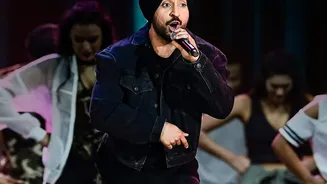
Despite the immense scale of Wembley, Dosanjh made a concerted effort to maintain a personal connection with his audience. He frequently interacted with the crowd, bringing fans of all ages onto the stage for selfies and gifts in moments that felt intimate and genuine. Known for his powerful live vocals and his refusal to lip-sync, his performance was praised for its raw energy and stamina. While some attendees noted sound issues in certain sections, a common challenge in large stadiums, the overall sentiment was one of awe and celebration. The night concluded with a powerful performance of 'Main Hoon Punjab' (I am Punjab) as fireworks lit up the sky, a fitting end to an evening that was as much about collective identity as it was about one man's incredible talent.