




The Undeniable Power of Sprouts
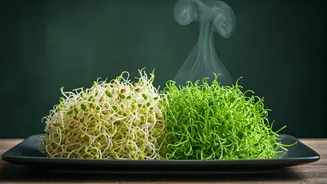
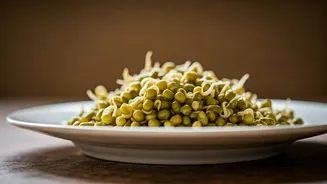
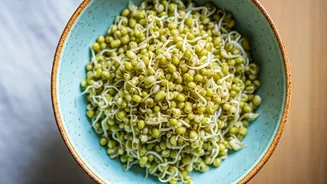
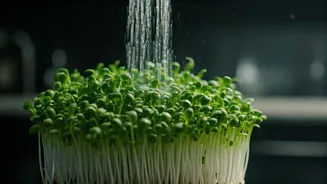
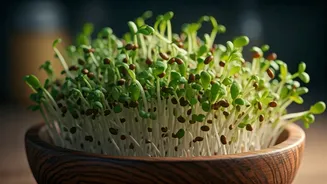
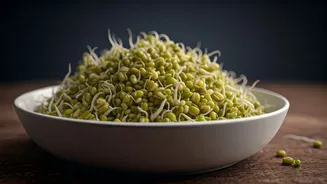
Sprouts, especially moong (mung bean) sprouts, are often called superfoods for a reason. The process of germination fundamentally transforms the seed, unlocking and multiplying its nutritional value. They are an excellent source of plant-based protein,
crucial for muscle repair and growth. They are packed with dietary fibre, which aids digestion, promotes gut health, and helps in managing blood sugar levels. Furthermore, sprouts are rich in essential vitamins like Vitamin C and K, and minerals such as iron, potassium, and magnesium. This process also reduces anti-nutrients like phytic acid, making the minerals more bioavailable for your body to absorb. In short, they are a low-calorie, high-nutrient food that can easily be incorporated into any diet.
The Raw Sprouts Dilemma
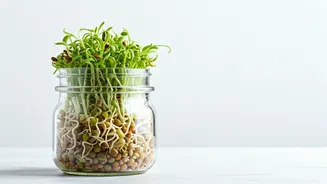
The most common question regarding sprouts is: raw or cooked? Many health enthusiasts advocate for eating them raw to preserve enzymes and vitamins. However, this comes with a significant risk. The warm, moist conditions required to grow sprouts are also the perfect breeding ground for harmful bacteria like Salmonella, E. coli, and Listeria. Commercial and even home-sprouted batches can become contaminated. These bacteria can cause severe food poisoning, with symptoms ranging from stomach cramps and diarrhoea to more serious complications, especially for children, pregnant women, the elderly, and those with weakened immune systems. To eliminate this risk, the healthiest way is to cook your sprouts, even if only lightly.
The Best Way to Cook Sprouts
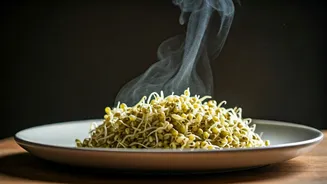
Cooking doesn't have to mean destroying all the nutrients. The goal is to heat them enough to kill bacteria without turning them into a mushy, lifeless mass. The best methods are steaming and blanching. **Steaming:** Place your sprouts in a steamer basket over a pot of boiling water for 3-5 minutes. They will become tender-crisp, retain most of their nutrients, and be perfectly safe to eat. **Blanching:** Drop the sprouts into a pot of boiling water for just 1-2 minutes. Immediately drain them and plunge them into a bowl of ice water to stop the cooking process. This keeps them crunchy and green. A light stir-fry with minimal oil is another excellent option. Avoid boiling them for extended periods, as this will cause significant nutrient loss into the water.
Be Mindful of the Add-ins
The health benefits of sprouts can be quickly negated by what you pair them with. A common mistake is to douse a sprout salad in heavy, creamy dressings or to load up a sprout chaat with heaps of fried sev, papdi, and sugary chutneys. While delicious, these additions pile on unnecessary calories, unhealthy fats, and sodium. To keep your sprout dish genuinely healthy, focus on fresh and flavourful additions. Use a dressing made from lemon juice, black salt (kala namak), chaat masala, and a touch of honey or jaggery. Mix in chopped onions, tomatoes, coriander, and pomegranate seeds for freshness and texture. A spoonful of plain yogurt is a much healthier creamy element than mayonnaise.
Beyond the Basic Salad
Think sprouts are just for salads? Think again. Their versatility is one of their greatest strengths. Once lightly steamed, they can be incorporated into a variety of everyday dishes to boost their nutritional profile. Try adding a handful to your morning poha or upma in the last few minutes of cooking. Mix them into batters for cheela or adai to add protein and texture. They can also be ground into a paste and added to dosa batter. Sprouts are a fantastic addition to light vegetable stir-fries or can be stirred into cooked dal or sambar for a textural and nutritional lift. You can even blend them into soups or use them as a filling for sandwiches and wraps, offering a satisfying crunch.