




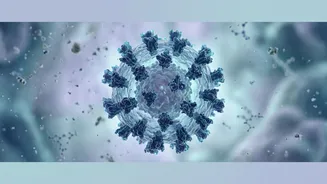

What is the PJ.2.1 Variant?
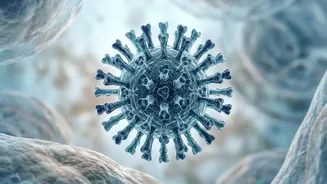
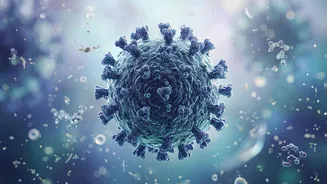
PJ.2.1 is a new lineage of SARS-CoV-2, the virus that causes COVID-19. First detected in Canada in May 2026, it has since been found in the United States, Europe, Australia, and parts of Asia. Scientists describe it as a 'saltation variant', which means
it emerged with a large number of genetic changes at once, rather than evolving slowly. Specifically, it has numerous mutations on its spike protein, the part of the virus that attaches to human cells. This variant is a descendant of the JN.1 family, which was a dominant lineage in the past. While PJ.2.1 has been detected in multiple countries, its presence in India has not yet been publicly confirmed by surveillance bodies like INSACOG.
Is It More Severe or Transmissible?
This is the crucial question on everyone's mind. The headline finding is that, as of now, there is no clear clinical evidence that PJ.2.1 causes more severe disease, a higher rate of hospitalisations, or more deaths compared to other circulating variants. While early lab studies suggest its mutated spike protein might bind more efficiently to our cells—a potential factor in transmissibility—this does not automatically translate to more severe illness in people. Some reports from Ontario, Canada, showed it accounting for a growing share of sequenced cases, suggesting it may be spreading effectively there. However, experts caution that this requires more monitoring and does not mean a major new wave is inevitable.
What Are The Symptoms?
There is no unique set of symptoms that can distinguish PJ.2.1 from other COVID-19 variants or even from other common respiratory illnesses like the flu. The reported symptoms are familiar: fever, cough, a sore or scratchy throat, runny nose, headache, muscle aches, and fatigue. Some preliminary observations have noted considerable throat discomfort and prolonged fatigue, but these are not established as unique to this variant. The World Health Organization (WHO) has emphasised that with such an overlap in symptoms, testing is the only reliable way to know if you have COVID-19.
How Do Vaccines Hold Up?
The news on the vaccine front appears reassuring, based on early data. The same study that analysed the variant's structure also looked at how well antibodies from vaccinated individuals could neutralise it. The findings showed that PJ.2.1 does not seem to be significantly better at evading vaccine-induced antibodies compared to other variants. One experiment found only a small, 1.8-fold reduction in neutralisation, which was less than that seen for several other variants being monitored. This suggests that current vaccines should still offer protection, particularly against severe disease, but real-world effectiveness studies are still needed to be certain.
What Should We Do in India?
Experts in India advise continued vigilance but have stressed there is no need to panic. With the festive season approaching, increased travel and social gatherings create more opportunities for all respiratory viruses to spread. The advice remains consistent: practice good respiratory hygiene, wear a mask in crowded indoor places if you feel the need, and test if you have persistent symptoms. People at high risk, such as the elderly and those with underlying health conditions, should be particularly cautious and seek medical advice promptly if they develop concerning symptoms like breathlessness. Health authorities will continue to monitor the situation through genomic surveillance to track any new variants that may be circulating.