




The Paradise Under Pressure
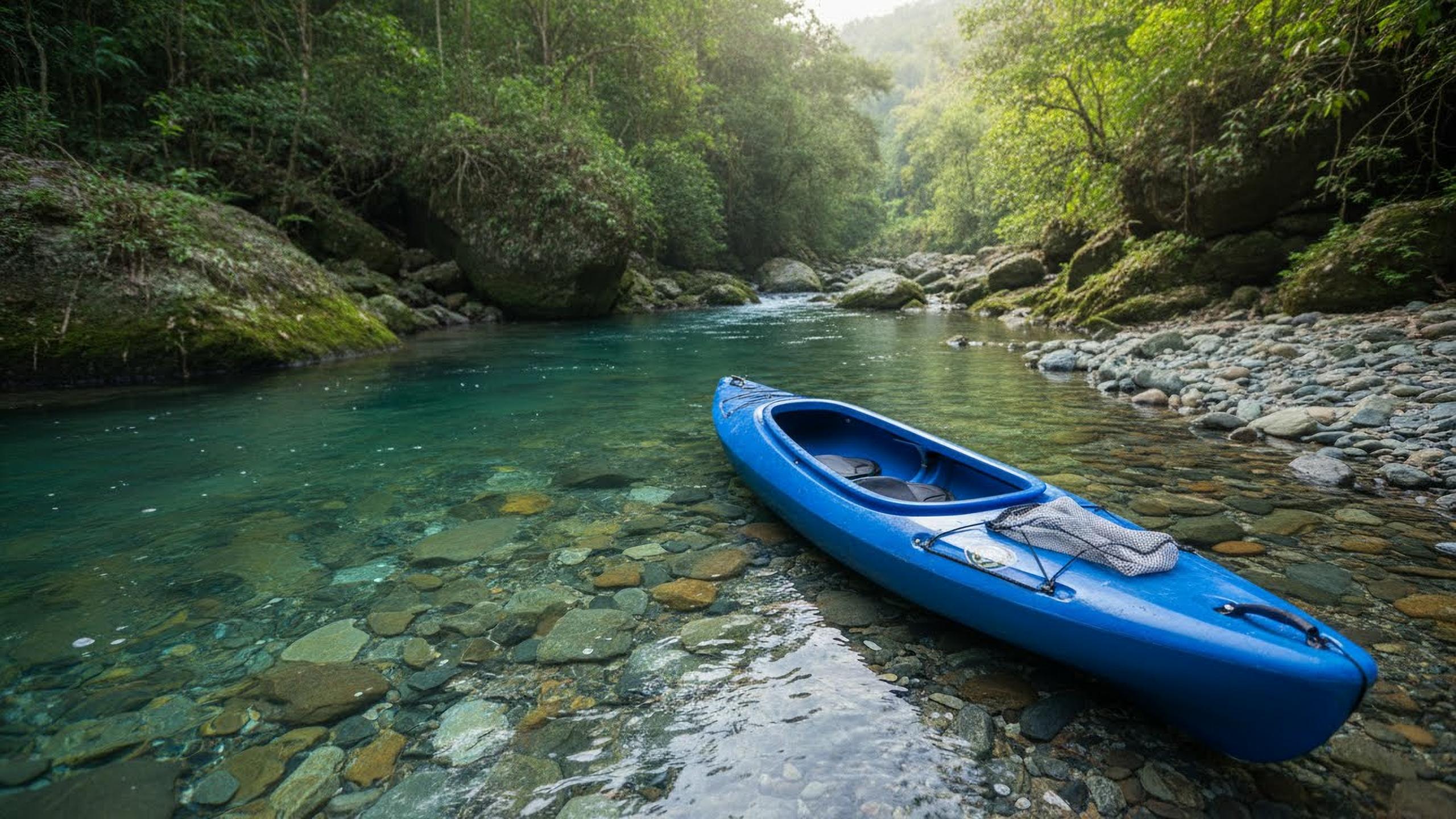
Meghalaya, the 'Abode of Clouds', is home to some of India's most stunning natural landscapes. Its rivers, particularly the Umngot in Dawki, are legendary for their transparent, emerald waters that create the illusion of boats floating in mid-air. This
breathtaking beauty has, unsurprisingly, turned the region into a major tourist hotspot, attracting visitors from across the country and the world. However, this popularity has come at a cost. The surge in footfall has led to a significant increase in plastic pollution, with plastic bottles, food wrappers, and other single-use items ending up in these pristine water bodies. This not only mars the scenic beauty but also poses a serious threat to the fragile aquatic ecosystem that local communities have cherished for generations.
Paddling with a Purpose
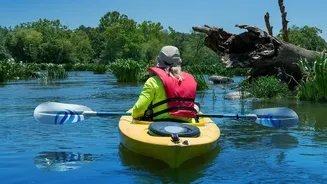
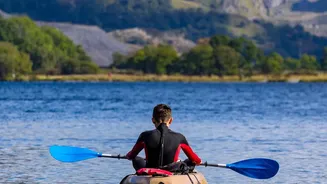
In response to this growing environmental challenge, a group of local entrepreneurs and tour operators have launched a creative and impactful solution: purpose-driven kayaking. This innovative model combines the thrill of adventure sports with a powerful sense of environmental stewardship. Instead of just being passive observers, tourists are invited to become active participants in preserving the beauty they have come to admire. The concept is simple yet effective. Tour groups are provided with kayaks, paddles, life jackets, and one more crucial piece of equipment: nets and bags for collecting floating garbage. As they paddle through the serene waters, they actively clean the river, making their journey both a memorable adventure and a meaningful contribution.
How It Works on the Water
These special expeditions, often led by local guides whose livelihoods depend on the health of the river, are designed to be accessible to everyone, from seasoned kayakers to complete beginners. Guides provide a basic safety briefing before launching. As the group navigates the river, they are directed towards areas where trash tends to accumulate. Participants use their nets to scoop up floating debris they encounter along their route. The collected waste is stored in bags secured to the kayaks and brought back to the shore at the end of the tour. Once on land, the garbage is properly segregated for disposal or recycling, preventing it from re-entering the ecosystem. This hands-on approach does more than just clean the river; it provides a tangible lesson in the impact of pollution and the power of collective action.
A Ripple Effect of Change
The impact of these purpose-driven tours extends far beyond the kilograms of waste removed from the water. For tourists, it transforms a simple holiday activity into a deeply rewarding experience, fostering a stronger connection to the destination and a greater appreciation for environmental conservation. It also serves as a powerful educational tool, raising awareness about responsible travel habits. For the local community, it creates a sustainable tourism model that protects the very asset their economy is built on. This community-led approach ensures that the benefits of tourism are directly linked to the preservation of natural resources, empowering residents to be guardians of their land. Initiatives like this are becoming a cornerstone of Meghalaya's broader push for sustainable, community-centric eco-tourism.
A New Blueprint for Tourism
While larger-scale solutions like AI-powered robotic cleaning boats are being tested in other water bodies like Umiam Lake, the grassroots nature of kayak-based clean-ups offers a unique advantage. It directly involves the public, creating a personal stake in environmental health. This model demonstrates that tourism doesn't have to be a destructive force. When managed thoughtfully, it can become a powerful engine for positive change, generating income for local populations while actively helping to restore and protect the environment. The success of Meghalaya's kayaking clean-up expeditions serves as an inspiring blueprint for other tourism-dependent regions grappling with similar challenges, proving that every paddle stroke can make a difference.