



Start Seeds in Toilet Paper Rolls
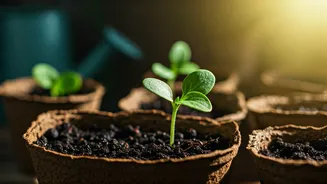
Don't spend money on tiny plastic seed trays. Cardboard toilet paper or kitchen towel rolls are perfect, biodegradable seed starters. Simply cut them into 2-3 inch segments, fill them with potting soil (cocopeat mix is great), and place them snugly in a tray.
Plant your seed, water it gently, and once the seedling is strong enough, you can plant the entire roll directly into a bigger pot. The cardboard will decompose naturally, preventing transplant shock and feeding the soil.
Use a Plastic Bottle for Self-Watering
Inconsistent watering is the number one killer of beginner plants. If you're forgetful or travelling for a couple of days, create a simple slow-drip irrigator. Take a used plastic bottle, poke a few small holes in the cap and one or two near the bottom. Fill it with water, screw the cap on, and bury the bottle neck-down in the soil of your pot, a few inches away from the plant's stem. The water will slowly seep out, providing a steady supply of moisture directly to the roots where it's needed most.
The Finger Test for Perfect Watering
Are you overwatering or underwatering? Stop guessing. The easiest way to check if your plant needs water is the finger test. Stick your index finger about an inch into the soil. If the soil feels dry and doesn't stick to your finger, it's time to water. If it feels moist and soil clings to your finger, wait another day or two. This simple, tactile check is more reliable than any fixed schedule, as a plant's water needs can change with the weather and its growth stage.
Brew a 'Chai' for Your Plants
Your kitchen waste is a treasure trove of nutrients for your garden. Used coffee grounds, when used sparingly, can add nitrogen to the soil, which is great for leafy greens. Crushed eggshells provide a slow release of calcium, strengthening plant cell walls. Even the water you use to boil vegetables is packed with nutrients; let it cool and use it to water your plants instead of pouring it down the drain. Think of it as a nutrient-rich 'chai' that your plants will love.
A Simple Soap Spray for Pests
Before you reach for chemical pesticides, try this simple, effective, and safer alternative for common pests like aphids and mealybugs. Mix a few drops of a gentle liquid soap (avoid detergents or antibacterial soaps) with water in a spray bottle. A good ratio is about one teaspoon of soap per litre of water. Spray it directly onto the affected areas of the plant, making sure to cover the undersides of leaves. The soap breaks down the pests' outer layer, effectively neutralising them without harming your plant or beneficial insects.
Choose 'Forgiving' Plants to Start
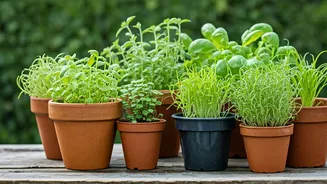
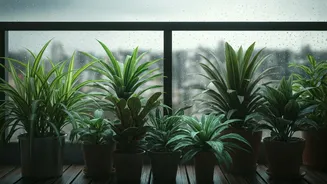
Set yourself up for success by starting with plants that are known to be resilient and low-maintenance. In the Indian climate, this includes plants like the Money Plant (Pothos), Snake Plant, Tulsi, Spider Plant, and Mint. These varieties can tolerate a bit of neglect, handle varied light conditions, and bounce back quickly from beginner mistakes. Building your confidence with these easy-going greens will make you a more intuitive gardener when you decide to graduate to more demanding plants like roses or orchids.