
A Healthier Way to Celebrate
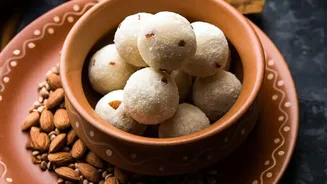
Festive celebrations in India are incomplete without a platter of laddoos, barfis, and halwas. While these traditional sweets are a delight, they are often loaded with refined sugar and flour. Fortunately, there's a way to enjoy these treats without compromising
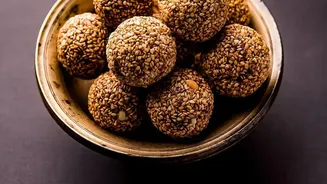
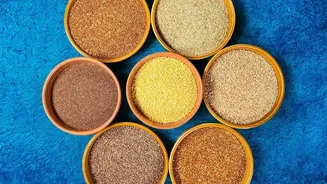
your health goals. By incorporating nutrient-dense millets, you can add fibre, protein, and essential minerals to your favourite festive recipes. Millets like ragi (finger millet), bajra (pearl millet), and jowar (sorghum) are naturally gluten-free and have a lower glycemic index, which helps in managing blood sugar levels. This simple switch allows you to create sweets that are not only delicious but also nourishing.
Ragi: The Calcium Powerhouse
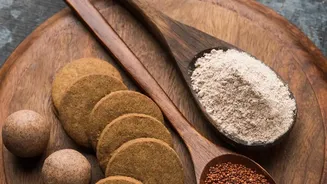
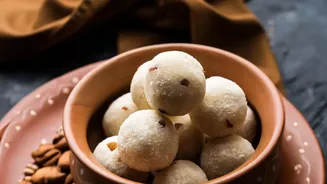
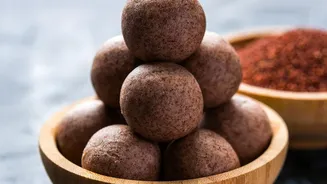
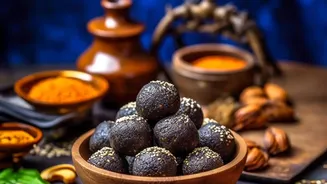
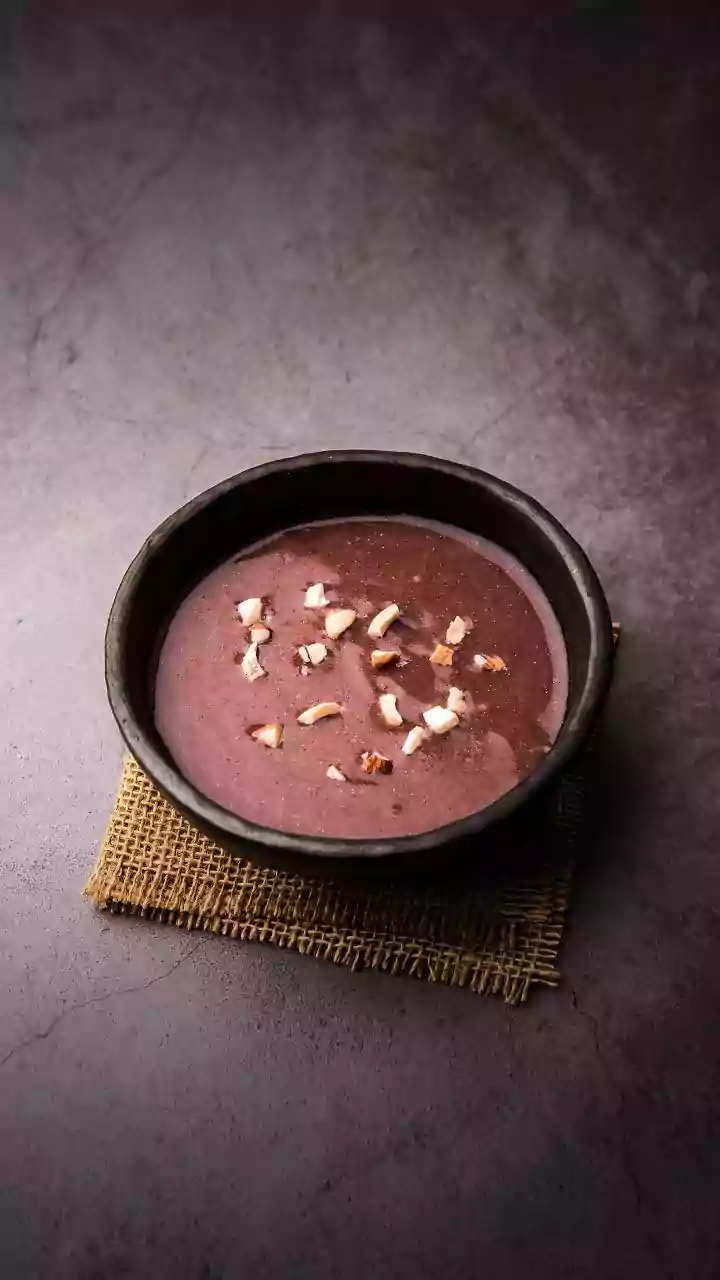
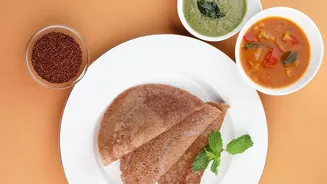
Ragi, or finger millet, is renowned for its impressive nutritional profile, particularly its high calcium and iron content. It has a distinct, slightly nutty flavour that pairs beautifully with ingredients like jaggery, coconut, and cardamom. Roasting the ragi flour in a little ghee before use enhances its aroma and taste. You can use ragi flour to make delectable laddoos by combining it with powdered nuts, jaggery, and ghee. It also works wonderfully as a base for chocolatey halwa or soft, melt-in-your-mouth barfis, offering a healthier yet equally satisfying alternative to traditional sweets.
Bajra: The Warming Winter Grain
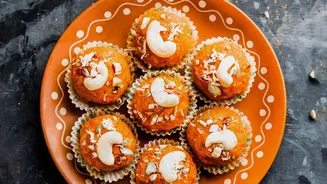
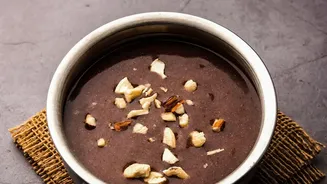
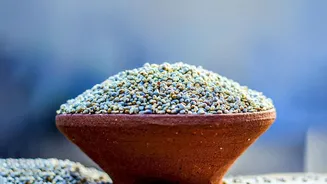
Bajra, or pearl millet, is known for its warming properties, making it an excellent choice for sweets prepared during the cooler festive months. It is a rich source of iron, magnesium, and protein. Bajra flour has a slightly coarse texture and a deep, earthy taste. It is perfect for making a hearty and fragrant halwa, slow-cooked with ghee and sweetened with jaggery. To make bajra halwa, the flour is typically roasted in ghee until it turns aromatic, after which a liquid mixture of milk or water and jaggery is added. This creates a thick, pudding-like dessert that is both comforting and nutritious.
Jowar: The Versatile and Gentle Millet
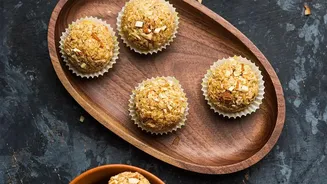
Jowar, or sorghum, is prized for its mild, neutral flavour and soft texture, making it one of the most versatile millets for culinary use. It's packed with dietary fibre, antioxidants, and is particularly good for those with sensitive digestive systems. Jowar flour can be easily incorporated into sweets like barfi. To prepare jowar barfi, the flour is typically dry-roasted until golden brown and then cooked with a syrup made from jaggery and water, along with ghee and cardamom powder. The result is a smooth, fudge-like sweet that offers a subtle taste and a host of health benefits.
Tips for Perfect Millet Sweets
When substituting millets in sweet recipes, a few tips can ensure success. Roasting the millet flour is a crucial step that removes any raw taste and brings out its nutty aroma. For sweetness, jaggery is an excellent partner for millets, providing a rich, caramel-like flavour and additional minerals like iron and potassium. When replacing sugar with jaggery, you might need to use slightly more jaggery (around a 1.25:1 ratio) to achieve the same level of sweetness, and be mindful that it can alter the texture due to its moisture content. Don't be afraid to experiment by adding nuts, seeds, and spices like cardamom or nutmeg to enhance the flavour and nutritional value of your creations.