

Starting your day with the right breakfast is crucial for managing diabetes. A balanced meal can help stabilise blood sugar levels and provide sustained energy. Adding nutrient-dense seeds is a simple yet powerful way to boost your morning routine.
Why Fibre and Healthy Fats Matter
For
individuals managing diabetes, foods rich in fibre and healthy fats are particularly beneficial. Fibre, especially the soluble kind, slows down the digestion and absorption of carbohydrates. This process helps prevent the sharp spikes in blood glucose that can occur after a meal. Furthermore, fibre promotes a feeling of fullness, which can aid in weight management—a key component of diabetes control. Healthy fats, such as monounsaturated and polyunsaturated fats (including omega-3s), play a role in improving insulin sensitivity and supporting heart health, which is a critical consideration for those with diabetes. These nutrients work together to make your breakfast not just filling, but also a strategic tool for better health.
1. Chia Seeds
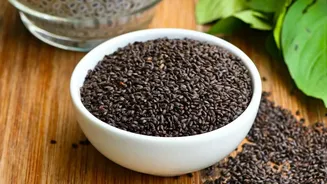
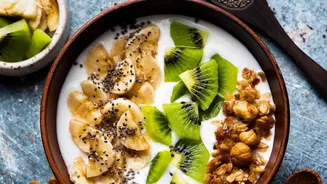
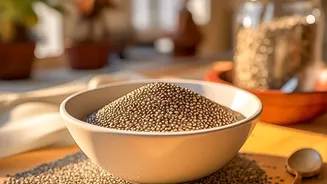
These tiny black seeds are nutritional powerhouses. Chia seeds are exceptionally high in soluble fibre, which forms a gel-like substance when mixed with liquid. This gel slows digestion, leading to a more gradual release of glucose into the bloodstream and preventing sudden sugar spikes. They are also an excellent plant-based source of alpha-linolenic acid (ALA), a type of omega-3 fatty acid known to support heart health. Their ability to absorb water and expand also helps you feel fuller for longer, assisting with appetite control. For a simple breakfast boost, stir a tablespoon of chia seeds into your yogurt, oatmeal, or smoothie and let them sit for a few minutes to soften.
2. Flax Seeds
Flax seeds, or 'alsi', are celebrated for their impressive fibre and healthy fat content. They are one of the richest plant sources of ALA omega-3 fatty acids, which have anti-inflammatory properties that may help improve insulin sensitivity. Flax seeds are also packed with lignans, which are plant compounds with antioxidant properties. The combination of soluble and insoluble fibre in flax seeds aids in both blood sugar control and digestive health. To get the most benefit, it's best to consume flax seeds in their ground form, as whole seeds can pass through the digestive system undigested. Sprinkle ground flaxseed over poha, upma, or mix it into the batter for dosa or pancakes.
3. Pumpkin Seeds
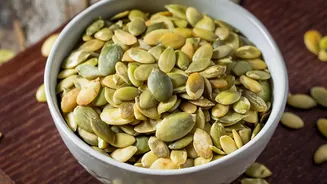
Pumpkin seeds, also known as 'pepitas', are a fantastic source of magnesium, a mineral that plays a vital role in over 300 bodily processes, including blood sugar regulation. Many people with diabetes have low magnesium levels, and diets rich in this mineral are associated with a lower risk of developing type 2 diabetes. These seeds also provide a healthy dose of fibre, protein, and monounsaturated fats, creating a balanced nutritional profile that supports stable energy levels. Enjoy a handful of raw or roasted pumpkin seeds as a snack, or sprinkle them on top of your morning yogurt or fruit bowl for added crunch and nutrition.
4. Sunflower Seeds
Sunflower seeds deliver a wealth of nutrients, including vitamin E, a powerful antioxidant that helps reduce inflammation—a factor often linked to diabetes complications. They are a good source of healthy polyunsaturated fats, protein, and fibre, which work together to slow the absorption of sugar into the bloodstream. Like pumpkin seeds, they are also rich in magnesium, further supporting blood sugar control. Their mild, nutty flavour makes them a versatile addition to many dishes. Add a tablespoon of unsalted sunflower seeds to your cereal, salads, or blend them into a homemade seed butter to spread on whole-grain toast.
5. Sesame Seeds
Sesame seeds, or 'til', have been used in traditional Indian cooking for centuries and offer significant health benefits. They are a good source of fibre, protein, and healthy fats, along with minerals like magnesium, calcium, and zinc. Some research suggests that the unique compounds in sesame seeds may help improve insulin sensitivity and reduce oxidative stress. While small, they pack a considerable nutritional punch. You can easily incorporate them into your breakfast by sprinkling them over idli or dosa with your chutney, adding them to homemade granola, or blending them into tahini to use as a base for a savoury breakfast dressing.