





Pune: The City of Revered Idols
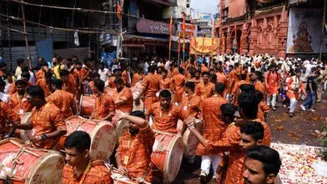
Pune is where the tradition of Sarvajanik Ganeshotsav, or the public festival, was popularised by Lokmanya Tilak. Its celebration is steeped in history and defined by the 'Manache Ganpati', five revered idols that hold a special order of precedence in the immersion
procession. Unlike Mumbai's focus on size and spectacle, Pune's heart lies in upholding the legacy of these specific mandals, such as the Kasba Ganpati, which is considered the city's presiding deity. The atmosphere is more traditional, with an emphasis on cultural programs and the historical significance of each idol.
Hyderabad: The Home of the Giant
Hyderabad's celebration is dominated by one single, awe-inspiring attraction: the Khairatabad Ganesha. Started in 1954 with a one-foot idol, this Ganesha has become famous for its colossal size, often standing as one of the tallest in the country. Each year, a new, gigantic idol is constructed, drawing millions of devotees who come just to witness its scale. The focus here is less on pandal-hopping and more on the pilgrimage to this one iconic statue and its grand immersion procession in Hussain Sagar Lake.
Goa: A Festival of Family and Finesse
In Goa, Ganesh Chaturthi, or 'Chavath' as it's locally known, is a more intimate, family-oriented affair. While public pandals exist, the essence of the festival is in homes. A unique Goan tradition is the 'Matoli', a wooden canopy decorated with seasonal fruits, vegetables, and flowers, which is installed above the idol. This practice highlights a deep connection to nature. The celebrations are less about grand processions and more about family reunions, traditional music from instruments like the ghumot, and home-cooked delicacies.
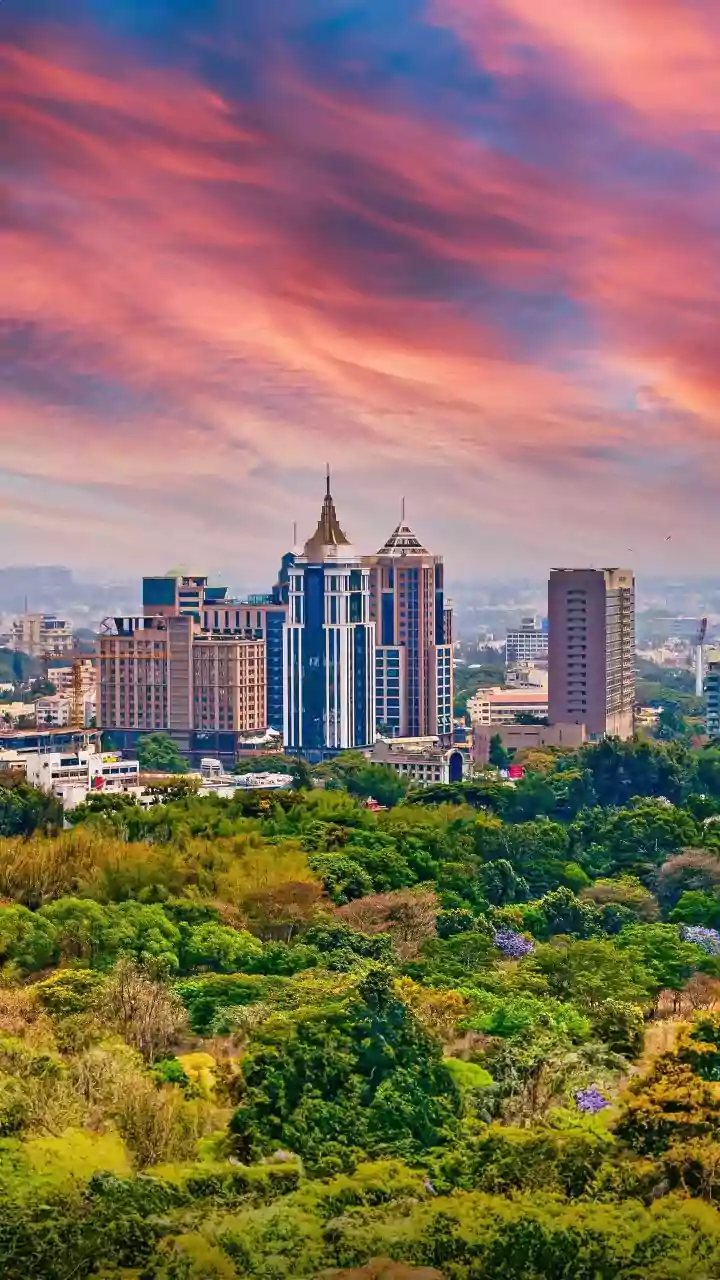
Bengaluru: The Eco-Conscious Celebration
Bengaluru has carved a niche for itself with its strong focus on eco-friendly celebrations. For years, the city has seen a growing movement towards using idols made of natural clay (shadu mati) and other biodegradable materials, with many families opting for home immersions to protect the city's lakes. Organisers of major events like the Bengaluru Ganesh Utsava have also championed sustainability, featuring large idols made from materials like bamboo, grass, and clay from sacred rivers. This green consciousness sets its celebrations apart.
Kanipakam: The Temple of the Growing Idol
In the temple town of Kanipakam in Andhra Pradesh, the festival centres on the Varasiddhi Vinayaka Temple, which houses a self-manifested, or 'swayambhu', idol. The most fascinating aspect is the local belief that the idol is continuously growing in size. Instead of a 10-day festival, Kanipakam hosts a 21-day annual Brahmotsavam starting on Ganesh Chaturthi, attracting thousands of pilgrims for extended rituals and processions. The celebration is less about temporary street pandals and more about devotion at a permanent, miraculous shrine.
Chennai: A Quietly Devotional Affair
Known as Vinayaka Chaturthi in Tamil Nadu, the festival in Chennai is more subdued and spiritual compared to Mumbai's public grandeur. The celebration starts quietly in homes with small, often clay, idols and the preparation of the quintessential South Indian sweet, kozhukattai. While public processions do happen, they are typically less theatrical. The focus is on temple rituals and a more personal connection to the deity, blending Tamil cultural nuances with the core spirit of the festival.
Jaipur: Devotion at the Royal Foothills
In Jaipur, Ganesh Chaturthi celebrations are centered around the historic Moti Dungri Ganesh Temple, located at the foot of a royal palace. The festival here is marked by thousands of devotees queuing for a 'darshan' of the centuries-old idol. A unique feature is the 'jhanki' or display of laddoos of various sizes offered to the deity. The celebration feels more like a grand temple fair, with a focus on prayers, offerings, and seeking blessings, especially for new beginnings like marriages or new vehicles.