


Swimming and Water Aerobics
Submerging yourself in water is one of the kindest things you can do for your joints. The natural buoyancy of water supports your body, effectively eliminating the stress and impact on your knees, hips, and ankles. This makes swimming an ideal choice
for people of all ages and fitness levels, including those with arthritis or recovering from injuries. Beyond being gentle, swimming is a powerhouse for cardiovascular health. It elevates your heart rate, strengthens the heart muscle, and improves circulation. Regular swimming can help lower blood pressure and has been linked to a significantly lower risk of death from heart disease. The controlled breathing required also enhances lung capacity, making your entire cardiovascular system more efficient.
Cycling (Stationary or Outdoor)
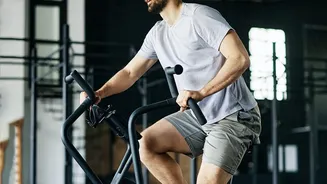
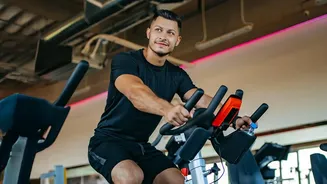
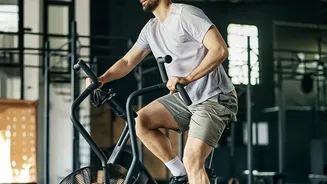
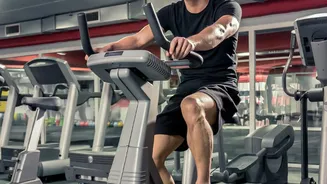
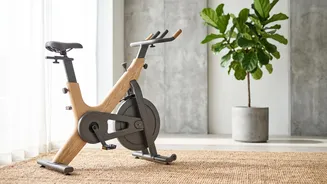
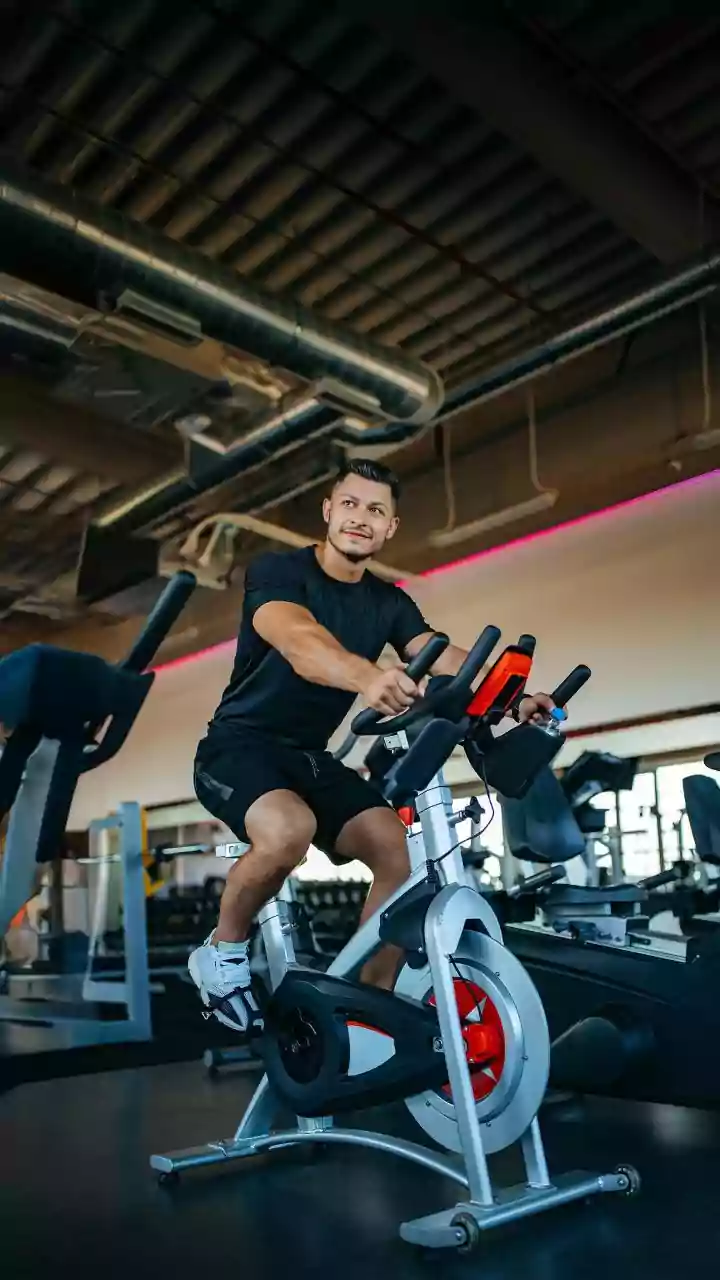
Whether you're on a stationary bike at the gym or cycling through your neighbourhood, pedalling provides a fantastic low-impact workout. The fluid, circular motion avoids the jarring impact that activities like running create, placing minimal strain on your knees and hips. Cycling is a highly effective way to get your heart pumping, making it a great aerobic exercise. It strengthens your lower body while simultaneously boosting your cardiovascular endurance. For those concerned about joint health, studies have shown that cyclists may have a lower incidence of knee arthritis compared to more sedentary individuals. For maximum joint protection, ensure your bike is fitted properly and maintain a steady cadence.
Using an Elliptical Trainer
The elliptical machine was specifically designed to provide a low-impact cardio workout. Your feet remain on the pedals as they move in a smooth, gliding oval path, which mimics running but without the stressful impact on your joints. This makes it a safe and effective option for people with joint sensitivity or those who want to avoid the repetitive pounding of a treadmill. Elliptical trainers are excellent for heart health, as they efficiently raise your heart rate and improve circulation. Many machines feature moving handlebars, allowing you to engage your upper body for a full-body workout that burns more calories and strengthens your arms, shoulders, and back simultaneously.
Brisk Walking
Never underestimate the power of a good walk. Brisk walking is a simple, accessible, and highly effective form of low-impact cardio. It doesn't require any special equipment beyond a comfortable pair of shoes and can be done almost anywhere. Walking at a brisk pace is sufficient to elevate your heart rate into the target zone for cardiovascular benefits, helping to strengthen your heart and improve stamina. It puts significantly less strain on your knees than running, especially if you walk on softer surfaces like a track or trail instead of hard concrete. It's an easy way to get active, manage weight, and improve your overall health without jarring your body.
Rowing
A rowing machine, or ergometer, offers a fantastic full-body workout with virtually zero impact on the joints. In the seated position, your movements are fluid and controlled, distributing force through your muscles rather than your ankles and knees. Despite being low-impact, rowing is one of the most effective cardiovascular exercises available. A single stroke engages major muscle groups in your legs, core, and upper body, making it an incredibly efficient way to build strength and endurance simultaneously. Regular rowing strengthens your heart, improves lung capacity, and can even help improve bone density, making it a powerful tool for long-term health.