





Beyond the Butter Chicken Monolith
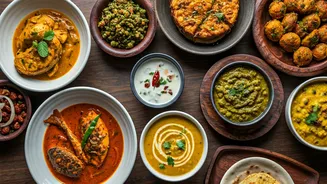
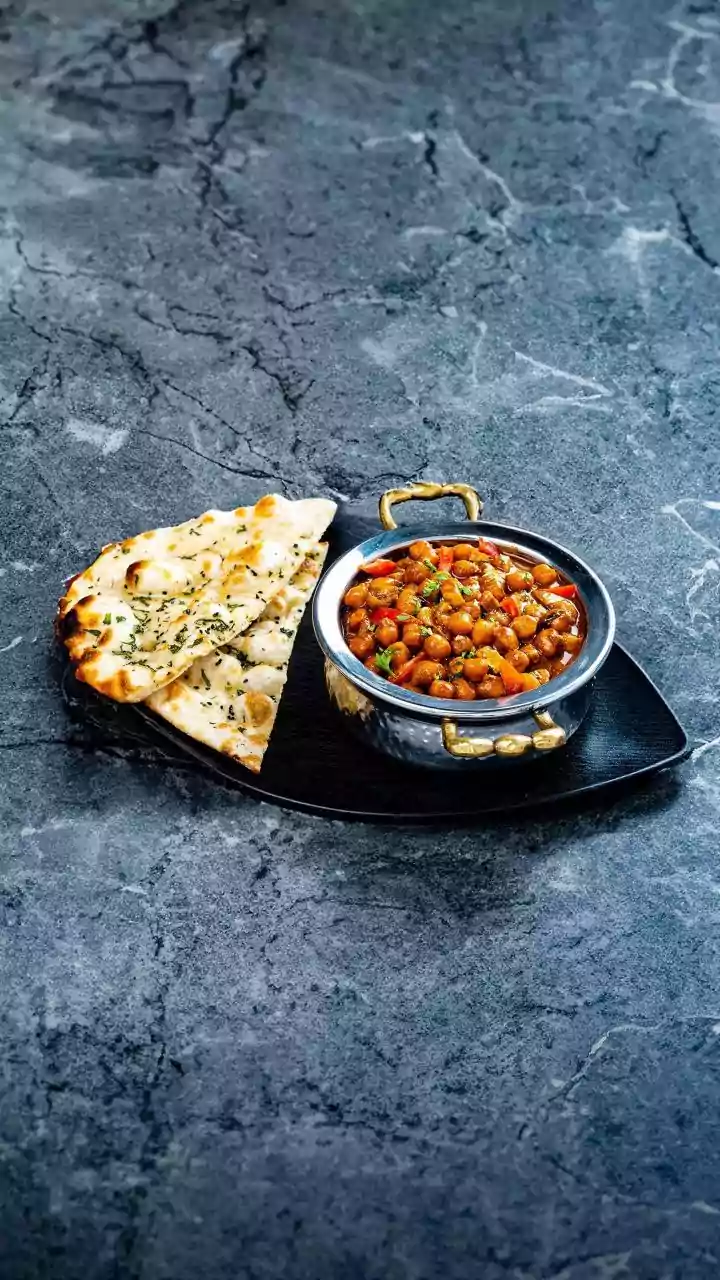
For many, both in India and abroad, the experience of Indian food has long been defined by a handful of North Indian and Mughlai dishes: creamy curries, tandoori meats, and a basket of naan. [4] While delicious, this popular representation barely scratches
the surface of the subcontinent's staggering culinary diversity. [20] This narrow view is finally changing, as a culinary movement redefines Indian food beyond a few well-known staples. [6] Diners are increasingly curious, looking past generic menus to explore the distinct food cultures of India's many states, from the coastal delicacies of Kerala to the tribal flavors of the Northeast. [5, 8]
Meet the New Culinary Stars
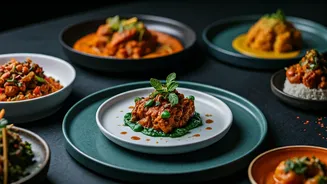
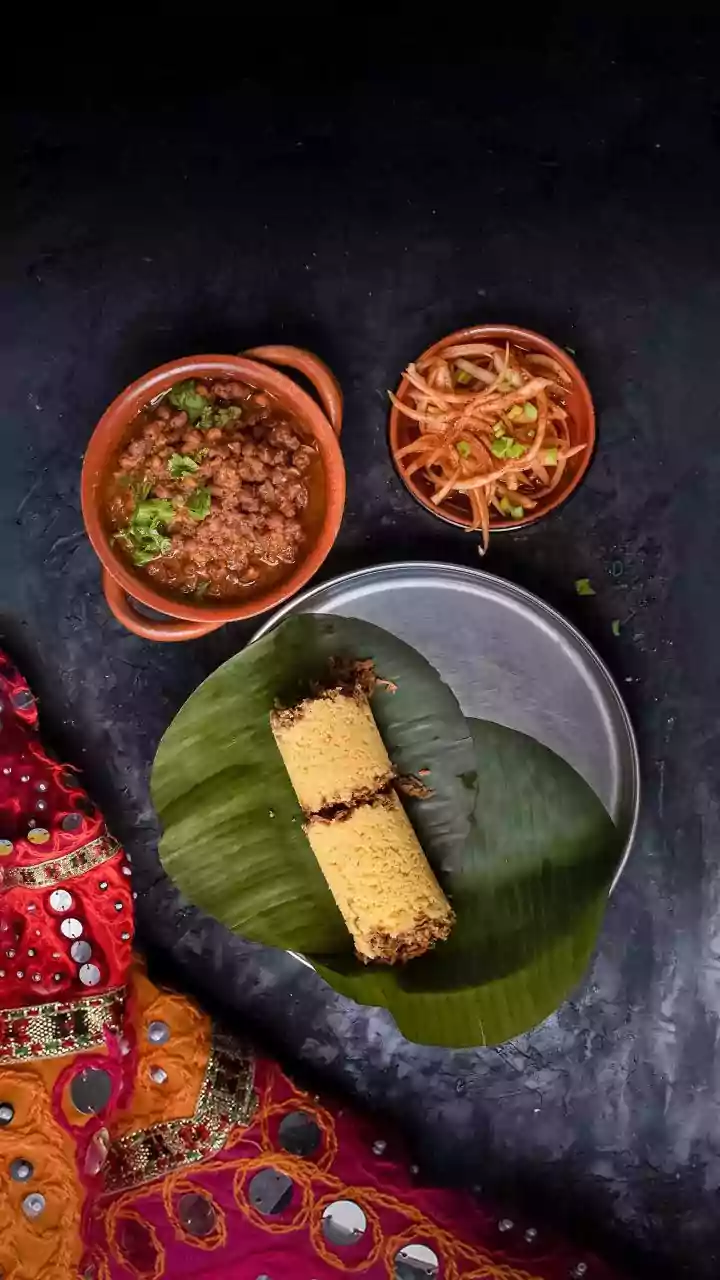
A new wave of restaurants is championing cuisines that were once largely confined to home kitchens. [15] You can now find establishments dedicated to the specific food traditions of regions like Goa, Bengal, and Chettinad. [4, 5] More excitingly, cuisines that were previously unknown to mainstream diners are having their moment. Naga restaurants are bringing the smoky, spicy flavors of smoked pork with bamboo shoots and dishes seasoned with *axone* (fermented soybean) to urban foodies. [6, 15] Similarly, the subtle and nutritious cuisine of Odisha is gaining recognition, with the state government even planning to launch a chain of Odia restaurants in major cities to promote its heritage. [28, 29] Dishes from Ladakh, like the hearty pasta dish *Skyu*, and the complex vegetarian plates from Gujarat are also becoming celebrated parts of the national menu. [6, 4]
The Chefs and Forces Fueling the Revolution
This shift is being driven by several factors. A new generation of Indian chefs is proudly exploring their own heritage, traveling to villages, studying forgotten techniques, and reviving ancestral recipes. [5, 11] Chefs like Manish Mehrotra have been celebrated for elevating regional dishes with a contemporary twist, while others like Chef Nilza Wangmo are bringing the specific cuisine of their native Ladakh to a wider audience through her restaurant, Alchi Kitchen. [6] Nostalgia also plays a significant role; as more people move to cities for work, there's a growing longing for the authentic taste of home-cooked meals, a demand that speciality restaurants are eager to meet. [5] Furthermore, social media and food bloggers have been instrumental in educating diners, making a once-obscure regional dish famous overnight and encouraging people to seek out hidden culinary gems. [5, 8]
More Than a Meal, It's an Identity
The embrace of hyper-regional food is about more than just taste; it's a celebration of identity. This movement champions local ingredients, from foraged greens and Himalayan herbs to unique regional cheeses. [14, 15] Chefs are focusing on preserving traditional cooking methods, like using clay pots and slow-cooking techniques, to ensure authenticity. [5] This renewed pride in regional culture is reshaping the global perception of Indian food, moving it away from a simplified, one-size-fits-all category to a nuanced and complex culinary tapestry. [6, 8] Restaurants are becoming cultural ambassadors, using menus and storytelling to create a deeper awareness of the history and significance behind each dish. [4, 24]