



The Waterfall Route: Satara to Thoseghar Falls
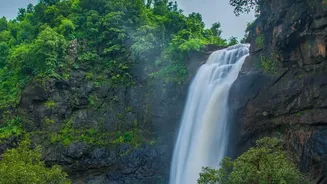
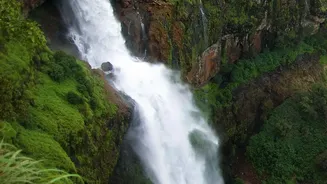
This short, 20-kilometre drive from Satara city is a monsoon classic for a reason. The journey takes you towards a series of majestic waterfalls known as Thoseghar. During the rainy season, from July to November, these falls are at their most powerful,
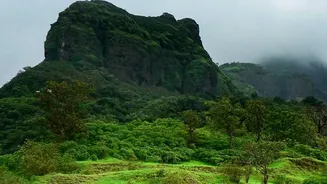
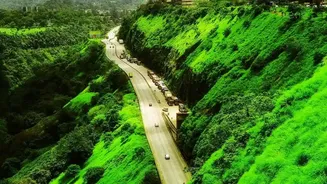
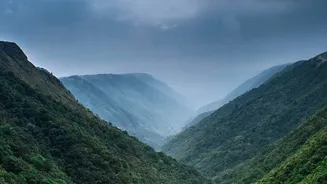
with one cascade plunging from a height of nearly 200 metres. The roads become misty, surrounded by lush green mountains, making the drive itself a memorable experience. A well-maintained viewing platform allows you to safely witness the spectacle. The area is transformed into a lush paradise, and the sound of the roaring water is a powerful reminder of nature's force. For an extended trip, you can also drive through the nearby Chalkewadi windmill farms, where giant turbines stand amidst the clouds and gusty winds, creating a surreal landscape.
The Valley of Flowers: Satara to Kaas Plateau
Often called Maharashtra's Valley of Flowers, the Kaas Plateau is a UNESCO World Natural Heritage site that transforms into a vibrant carpet of wildflowers post-monsoon. The drive from Satara, about 25 km, is scenic throughout the rainy season, with lush views and winding roads. However, the real magic happens between late August and early October, when over 850 species of flowers bloom across the lateritic plateau. The flowering is dependent on the monsoon's intensity, so it's wise to check local conditions before you go. To protect the fragile ecosystem, visitor numbers are often restricted, so booking entry passes online in advance is recommended. The drive continues to the serene Bamnoli village, located on the banks of the massive Shivsagar Lake, the reservoir for the Koyna Dam, offering even more tranquil and breathtaking vistas.
The 'Mini Kashmir' Journey: Mahabaleshwar to Tapola
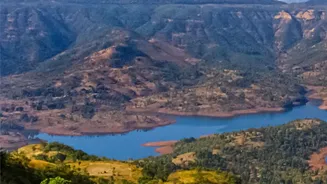
Tapola, located about 25-28 km from Mahabaleshwar, is famously nicknamed the 'Mini Kashmir of the West' for its stunning Shivsagar Lake. The drive from Mahabaleshwar is filled with sharp turns and, during the peak monsoon, is often enveloped in thick fog, which can reduce visibility significantly. This route demands careful driving but rewards you with unparalleled views of dense forests and the vast expanse of the 90-km-long lake, which is the reservoir of the Koyna dam. The region is perfect for those seeking a quieter escape from the crowded viewpoints of Mahabaleshwar. Activities in Tapola are centered around the lake, including boating and kayaking. Due to patchy mobile networks, downloading offline maps before you start is highly advisable for this rustic journey.
The Heritage Drive: Wai to Panchgani
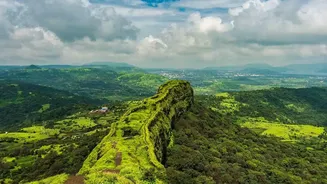
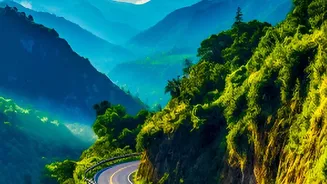
For a drive that combines scenic beauty with cultural stops, the route from the temple town of Wai to Panchgani via the Pasarni Ghat is an excellent choice. Wai, known as 'Dakshin Kashi', is famous for its numerous temples and ghats along the Krishna River. From here, the ascent up the Pasarni Ghat offers spectacular valley views. Panchgani, named for the five hills surrounding it, is a charming hill station with several viewpoints like Table Land, Asia's second-largest volcanic plateau. The drive is particularly beautiful when the monsoon clouds hang low over the valleys, creating a dramatic and moody atmosphere perfect for photography. This route allows you to experience the region's history before climbing into the cool, misty air of the hills.
Monsoon Driving Safety Tips
While the ghats are stunning in the rain, safety is paramount. Always check your vehicle's tyres, brakes, and wipers before starting. Drive slowly on wet, winding roads, as they can be slippery and visibility can drop to near-zero in heavy downpours. It's best to avoid night driving. Use low-beam headlights in rain to avoid glare. Be vigilant for signs of landslides, such as falling rocks or mud streams, and never attempt to cross a waterlogged patch at high speed. Keep an emergency kit with a torch, first aid, snacks, and water, and inform someone of your route, as mobile networks can be unreliable in remote areas.