






The Post-Monsoon Humidity Puzzle
Just because the heavy rains have stopped doesn't mean the air is dry. The post-monsoon season in India is a transitional period marked by fluctuating humidity. The days can remain warm and muggy, while evenings and nights become cooler. This constant
shift in moisture levels is particularly challenging for hair. Research shows that post-monsoon months on India's coasts are becoming warmer and more humid. Unlike the consistent high humidity of the monsoon, this variability means your hair is constantly trying to adjust to a changing environment, making it highly susceptible to frizz.
The Science Behind Frizzy Hair
So, what exactly happens to your hair in humid air? Hair is primarily made of a protein called keratin, which is held together by chemical bonds, including hydrogen bonds. Water molecules in the air are easily absorbed by hair, where they form new hydrogen bonds and cause the hair shaft to swell. This process lifts the hair's outer layer, known as the cuticle. When the cuticle layers, which normally lie flat like tiles on a roof, are raised, the hair appears rough, puffy, and unruly — what we call frizz. Hair that is dry, damaged, or naturally curly is more porous, meaning its cuticle is already slightly raised, making it even more likely to absorb moisture and frizz up.
The Role of an Anti-Frizz Serum
This is where an anti-frizz serum becomes an essential tool. A serum is a lightweight, leave-in styling product designed to work on the surface of your hair. Its primary job is to create a protective barrier around each hair strand. This barrier effectively seals the cuticle, preventing atmospheric moisture from penetrating the hair shaft. By blocking humidity, the serum keeps your hair's internal structure stable and the cuticle smooth, preserving your sleek style even when the air outside is damp. Think of it as a raincoat for your hair; it keeps the wetness out so everything underneath stays smooth and in place.
Key Ingredients That Tame Frizz
The magic of anti-frizz serums lies in their formulation. The most common and effective ingredients are silicones (like dimethicone). Silicones are hydrophobic, meaning they repel water. They coat the hair to block humidity, reduce tangles, and add a polished shine without feeling heavy or greasy. Many serums also contain nourishing oils, such as argan oil or coconut oil. These oils not only help in smoothing the hair but also provide moisture and nutrients, improving the hair's overall health and feel. Some advanced formulas even include hydrolyzed proteins like keratin, which can help fill in gaps in the damaged cuticle, making hair stronger and more resilient to humidity.
How to Use Serum for Best Results
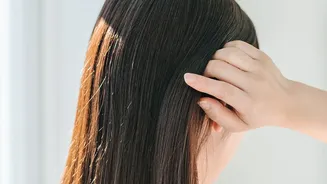
Correct application is key to getting the most out of your serum. A little goes a long way; start with just one or two drops for fine hair and a bit more for thick or long hair. It is most effective when applied to clean, damp hair after washing. Rub the serum between your palms to warm it up and ensure even distribution, then apply it from the mid-lengths to the ends, which are typically the driest and most prone to frizz. Avoid applying it directly to your roots, as this can weigh your hair down and make it look greasy. You can also use a tiny amount on dry hair to tame flyaways and add a boost of shine throughout the day.