

The Science of Fermentation
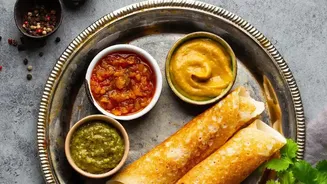
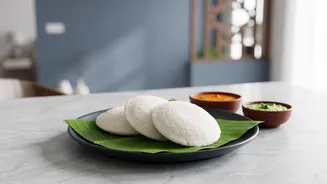
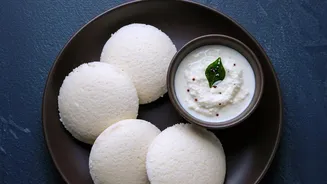
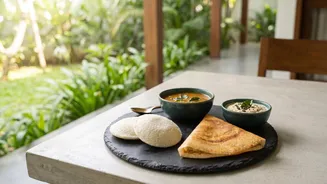
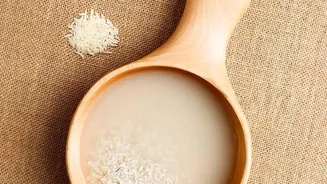
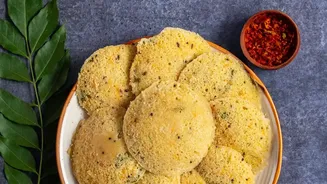
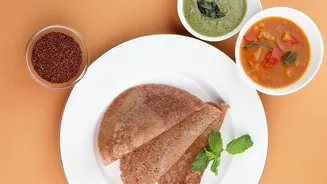
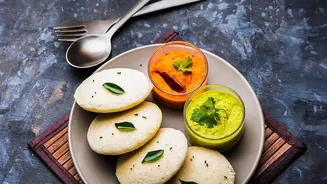
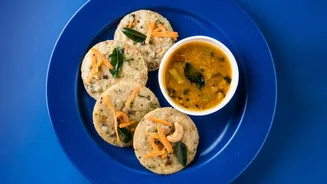
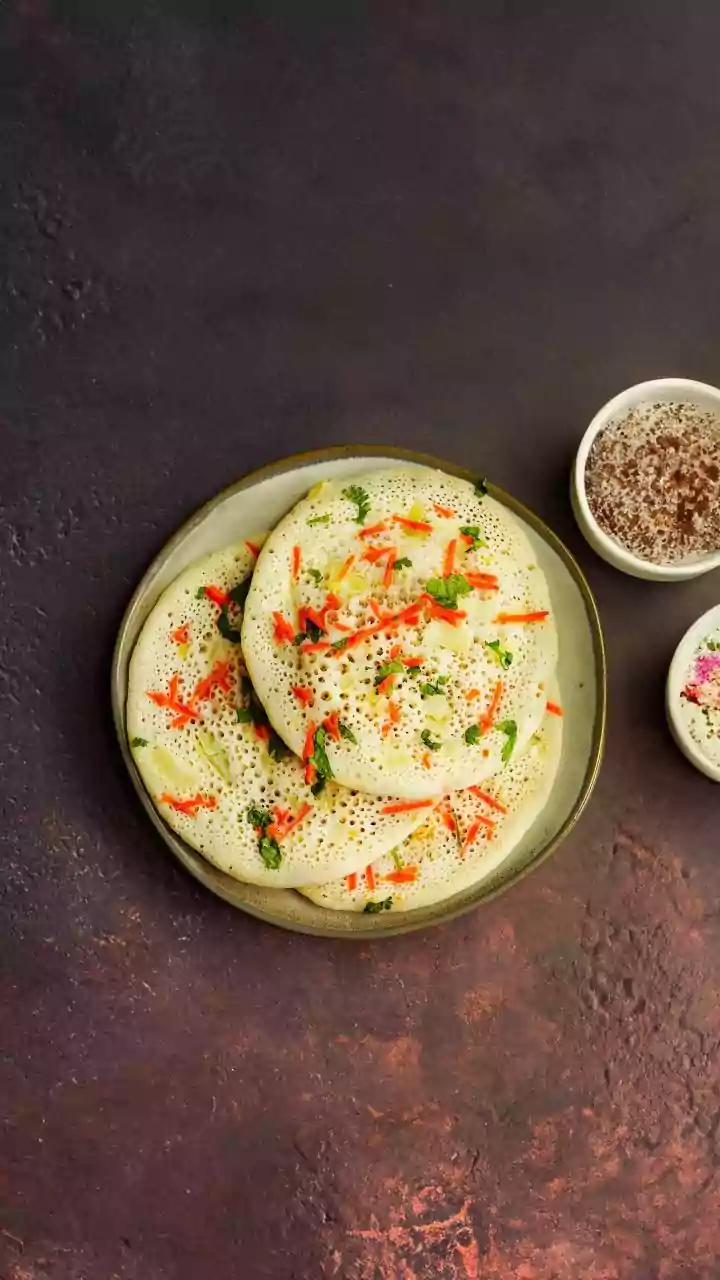
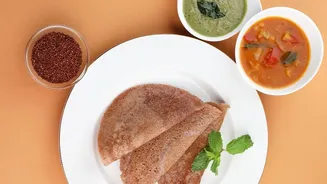
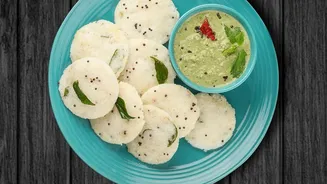
At its core, fermentation is a natural process where microorganisms like wild yeasts and beneficial bacteria break down components in food. For idli and dosa, this journey begins when a batter of soaked rice and urad dal (black gram) is left to rest for
several hours. During this time, lactic acid bacteria (LAB) get to work. These microbes consume the starches and sugars in the batter, producing lactic acid. This not only gives idli and dosa their characteristic tangy flavour but also initiates a profound nutritional transformation, making them easier to digest and boosting their health benefits.
Neutralising the 'Anti-Nutrient' Phytic Acid
Both rice and lentils contain a natural compound called phytic acid. Often referred to as an 'anti-nutrient', phytic acid binds to essential minerals like iron, zinc, and calcium in the digestive tract. This binding action forms insoluble complexes, which prevents your body from absorbing these vital nutrients, a particular concern for those on plant-based diets. While phytic acid is a normal part of many grains and legumes, its effects can limit the nutritional payoff you get from your meals. The key to unlocking these minerals lies in reducing this anti-nutrient.
How Fermentation Unlocks Minerals
This is where the magic of fermentation truly shines. The lactic acid bacteria active in the idli and dosa batter produce an enzyme called phytase. This enzyme's specific job is to break down phytic acid. As the fermentation progresses and the batter becomes more acidic, the activity of phytase increases, systematically dismantling the phytic acid 'traps'. By degrading the phytic acid, the fermentation process liberates the iron, zinc, and calcium that were previously bound. This makes the minerals 'bioavailable', meaning your body can now easily absorb and utilise them.
The Impact on Iron and Zinc Absorption
The increased bioavailability of iron and zinc is one of the most significant health benefits of eating properly fermented idlis and dosas. Iron is crucial for forming haemoglobin, which carries oxygen in the blood, and deficiency can lead to anaemia and fatigue. Zinc is vital for immune function and cell repair. Fermentation essentially 'pre-digests' the food, breaking down anti-nutrients that would otherwise inhibit the absorption of these minerals. Studies have shown that this process can dramatically increase the amount of available iron and zinc, making idli and dosa particularly valuable for vegetarians and anyone at risk of mineral deficiencies.
Beyond Minerals: A Boost for Gut Health
The benefits don't stop with mineral uptake. The fermentation process makes idlis and dosas incredibly easy to digest because the bacteria have already broken down the complex carbohydrates and proteins. While the live probiotic bacteria are largely deactivated by the heat of steaming or cooking, their work during fermentation leaves behind a host of benefits. The process also increases the levels of B vitamins, such as folic acid, niacin, and riboflavin, which are essential for energy production. Furthermore, the breakdown of starches creates fibres that act as prebiotics, which are food for your existing good gut bacteria, promoting a healthy and balanced digestive system.